

HCPCS Code Q4185: Cellesta flowable amnion billing guide
HCPCS Code Q4185: definition and official descriptor HCPCS Code Q4185 is the Lev...

Last Updated: Nov 20, 2026
A7682 is the CCSD code for presacral sympathectomy – diagnostic. UK private medical insurers such as Bupa, AXA Health, Aviva and Vitality use it for this procedure. The superior hypogastric plexus is tested, not destroyed, to confirm a source of pelvic pain.
The code sits in the Sympathetic Nerves category of chapter 3 of the CCSD schedule. The therapeutic version, which permanently interrupts the plexus, is A7683.
Let Pabau's smart automation suggest the right codes, reduce claim denials, and keep your practice compliant—effortlessly.
Automate repetitive tasks and focus on what matters most—your patients.
Reduce coding errors and ensure compliance with the latest regulations.
Clean claims, fewer denials, and faster reimbursements.
Powerful insights and reporting to help your practice thrive.
HIPAA compliant SOC 2 certified GDPR-compliant Trusted by 4,000+ clinics worldwide

CCSD code A7682 covers a presacral sympathectomy with diagnostic intent. Permanent interruption of the plexus is coded A7683.
CCSD is the procedure schedule UK private medical insurers use. Bupa, AXA Health, Aviva and Vitality make up its group.
CCSD does not set fees. Each insurer maps A7682 to its own fee, so check that insurer’s schedule before you quote.
Most UK insurers need pre-authorization before treatment, and the authorization number belongs on the claim.
Pabau keeps the consent, operation note and Healthcode claim on one patient record, so A7682 claims go out complete.
CCSD code A7682 is the UK private healthcare code for presacral sympathectomy – diagnostic. The CCSD schedule lists it in its Sympathetic Nerves category. It covers a procedure on the presacral nerves, the superior hypogastric plexus, done to confirm whether they drive a patient’s pelvic pain.
CCSD (Clinical Coding and Schedule Development) maintains the procedure coding schedule UK private medical insurers use. Its group is made up of Bupa, AXA Health, Aviva and Vitality.
That category sits in chapter 3 of the schedule, Spine, spinal cord and peripheral nerves. The therapeutic version of the same procedure is A7683.
The word “diagnostic” separates A7682 from A7683. A diagnostic procedure tests the presacral plexus without destroying it. A therapeutic procedure interrupts the plexus for the long term.
Across the Sympathetic Nerves category, the diagnostic codes describe a temporary, prognostic procedure. The thoracic diagnostic code, A7520, names local anesthetic under X-ray control in its descriptor.
The A7682 descriptor names no technique. Record the technique, any imaging and the agent used in the operation note, so the insurer can see the work matches the code.
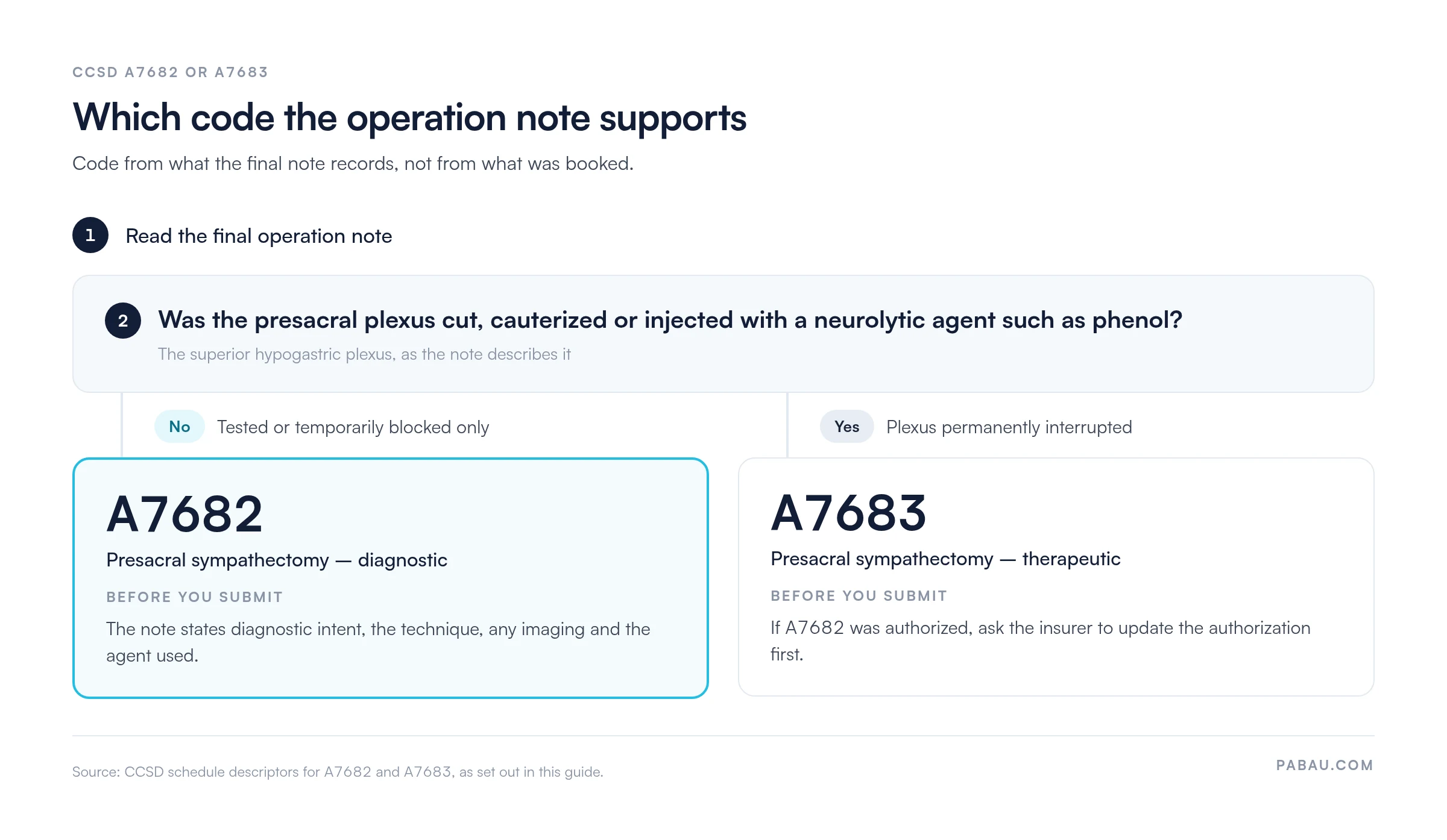
If the plexus was cut, cauterized or injected with a neurolytic agent such as phenol, the procedure was therapeutic. Code it as A7683.
Code from the final operation note, not the booking. If the note says “diagnostic block of the superior hypogastric plexus,” A7682 fits. If it says “presacral neurectomy,” the claim belongs under A7683. The flow below runs that check as one question about the plexus.
A diagnostic presacral sympathectomy is used for chronic pelvic pain that has not responded to conservative treatment. The usual indications are:
A clear response to the diagnostic procedure supports the case for definitive treatment under A7683. Insurers often ask for that evidence before they authorize the therapeutic code. When advanced endometriosis involves both ovaries and both tubes, the definitive operation may instead be their laparoscopic removal, billed under CCSD code Q2230. When the endometriosis is minor, laparoscopic treatment with or without a biopsy is billed under CCSD code Q3900.
A7682 sits in a small family of sympathetic nerve codes. Knowing how they differ keeps a diagnostic claim from being billed as therapeutic, or at the wrong site.
Codes and descriptors change with each CCSD update. Confirm them in the current schedule, which licensed users search at ccsd.org.uk.
The CCSD code archive lists the other procedure codes we cover. For how UK insurers apply the schedule, see the Bupa CCSD codes guide.
UK insurers expect an ICD-10 diagnosis code that matches the indication in the referral and the operation note. These categories are used most often:
Use the WHO ICD-10 browser to confirm the code is current and correctly described. The diagnosis on the claim should match the one on the pre-authorization request. Where the cause of the pain is still unconfirmed, the referral can carry R10.2.
CCSD does not set fees. Each UK insurer maps A7682 to its own fee or benefit maximum, so the amount paid differs between Bupa, AXA Health, Aviva and Vitality.
Some insurers grade procedures into bands, such as Intermediate or Major, and pay a fee per band. Check the band and fee in that insurer’s current fee schedule before you quote the patient.
The Bupa code search is one UK insurer’s own code lookup. It shows how Bupa treats a CCSD code, not how other insurers price it.
Most UK private medical insurers need the patient to pre-authorize treatment before the procedure. The insurer checks that the policy covers the condition and issues an authorization number.
Ask the patient to call their insurer for pre-authorization as soon as A7682 is booked. Before the procedure, check that the authorization number, code and hospital match the booking.
A complete file is what gets an A7682 claim paid without a query. Insurers check that the operation note supports the code, that the diagnosis fits, and that consent is on record.
State the diagnostic intent in plain words. Record the technique, the imaging, the agent used and the patient’s response. Phrases such as “presacral neurectomy performed” point the insurer to A7683 instead.
Insurers expect signed consent for the diagnostic procedure, pre-procedure notes confirming the indication, and post-procedure notes on the findings. Digital forms that timestamp consent and clinical notes make an incomplete file less likely.
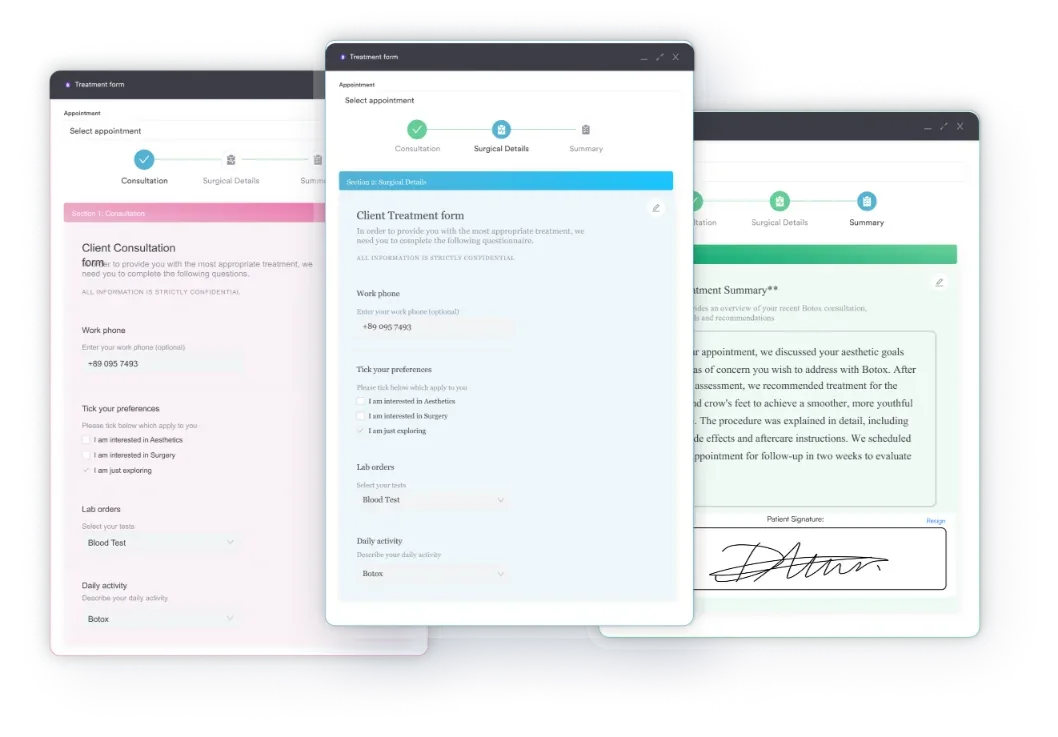
The CCSD technical guide sets out how codes and their principles apply to UK private claims.
Queried A7682 claims follow a familiar pattern. Check each submission against these reasons before it goes to the insurer.
When an insurer queries or rejects a claim, read the reason it gives. Answer that reason directly, then resubmit through Healthcode. Claims management software that logs each query against its code shows where submissions keep failing.
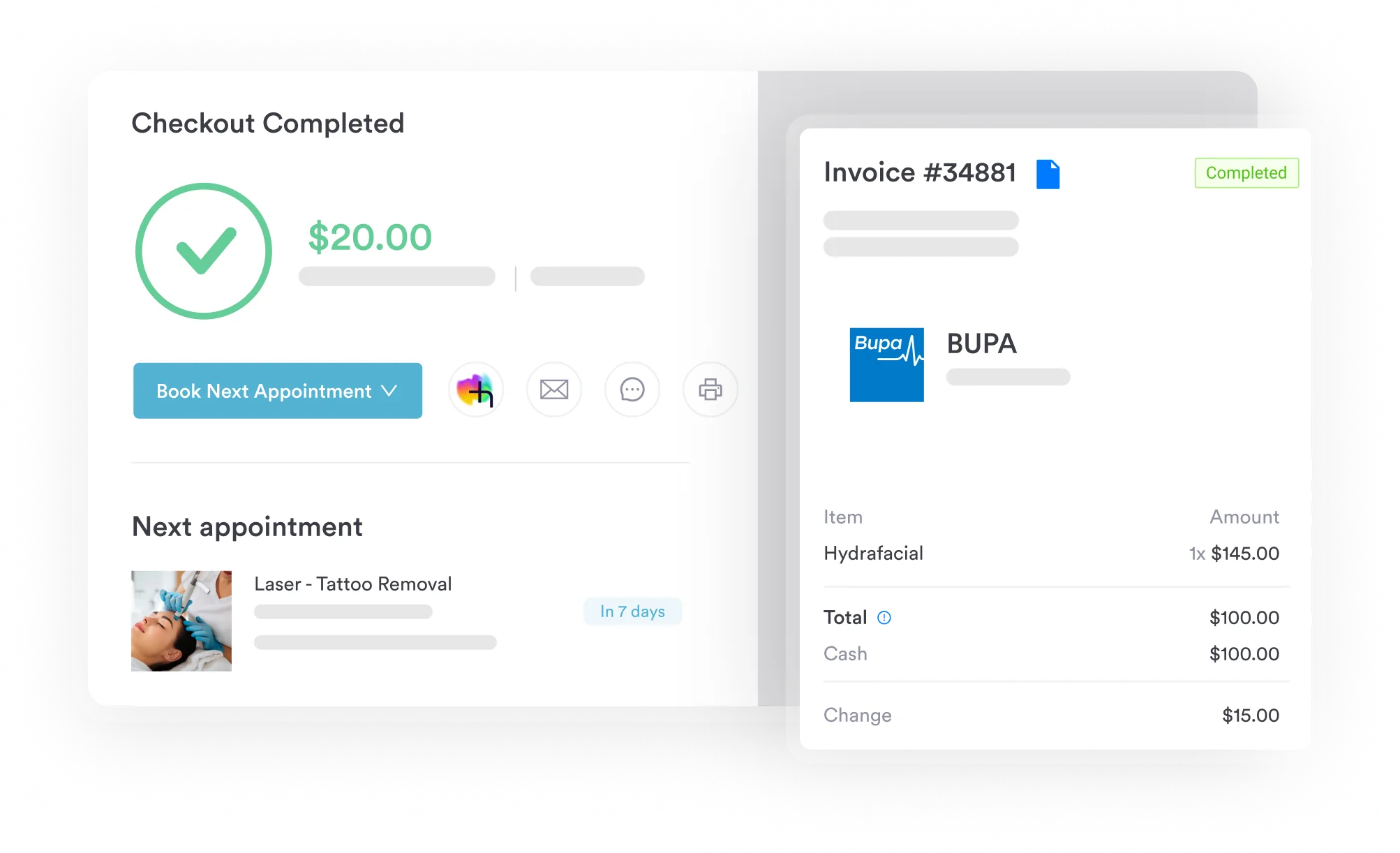
Many practices keep the authorization number in an email, the consent on paper and the claim in a separate portal. When one piece is missing, the insurer queries the claim.
Pabau, the practice management platform we build, keeps the consent form, operation note and authorization number on one patient record. Claims go to UK insurers through its Healthcode integration.
Your team sees what is missing before the claim goes out, so fewer A7682 claims come back with a query.

Pabau helps UK practices document procedures, capture consent and send insurer claims through Healthcode, so every A7682 claim carries the file the insurer expects.

CCSD code A7682 turns on one word: diagnostic. If the operation note shows the plexus was only tested, A7682 is right. If the plexus was permanently interrupted, the claim belongs under A7683.
Get the insurer’s pre-authorization, keep the diagnosis code the same from request to claim, and check that insurer’s own fee. Those three habits keep A7682 claims out of the query pile. Book a demo to see how Pabau handles CCSD claims for UK private practices.

Need a broader CCSD code reference? Bupa CCSD codes guide covers how CCSD surgical codes are structured and used across UK private medical insurers.
Struggling with claim documentation? Pabau claims management helps practices track submissions, denial reasons, and appeals in one place.
Coding the thoracic diagnostic block? CCSD code A7520 covers the thoracic sympathectomy done under local anesthetic and X-ray control.
A7682 covers a presacral sympathectomy done with diagnostic intent. The superior hypogastric plexus is tested, not permanently interrupted. UK private medical insurers use the code for claims from specialists treating pelvic pain.
A7682 is the diagnostic presacral sympathectomy, which tests the plexus without destroying it. A7683 is the therapeutic version, which interrupts it for the long term. Billing A7682 when the plexus was cut or ablated gets the claim queried.
The most common pairings are N94.x for pelvic pain linked to the menstrual cycle, N80.x for endometriosis and R10.2 for pelvic and perineal pain. Use the same code on the pre-authorization request and the claim.
There is no single fee. CCSD sets the code, not the price, and each insurer maps A7682 to its own fee. Check the current fee schedule of the patient’s insurer before you quote.
Usually, yes. Most UK private medical insurers need the patient to pre-authorize treatment and then issue an authorization number. Put that number on the claim you send through Healthcode.
The most frequent reasons are a missing authorization number and notes that describe ablation. Others are a diagnosis code that changed after authorization, and an operation note that never states diagnostic intent.





