CPT Code 59320: Cervical cerclage billing and coding guide
CPT Code 59320: Official description and procedure overview CPT Code 59320 is th...

Last Updated: Nov 20, 2026
Q3900 is the CCSD code for laparoscopy (including eg puncture of ovarian cysts +/– biopsy, minor endometriosis). UK private medical insurers use it for the surgeon's fee when a gynaecologist drains a cyst, takes a biopsy or treats minor endometriosis laparoscopically.
The code sits in Chapter 14 of the CCSD schedule, under sub-chapter 14.1 Uterus/Adnexa. Bupa rates it INTER 5, and AXA Health lists it as an intermediate procedure. Ovarian cystectomy (Q4400) and excision of endometriosis (Q1701) take separate codes.
Let Pabau's smart automation suggest the right codes, reduce claim denials, and keep your practice compliant—effortlessly.
Automate repetitive tasks and focus on what matters most—your patients.
Reduce coding errors and ensure compliance with the latest regulations.
Clean claims, fewer denials, and faster reimbursements.
Powerful insights and reporting to help your practice thrive.
HIPAA compliant SOC 2 certified GDPR-compliant Trusted by 4,000+ clinics worldwide

CCSD code Q3900 covers a gynaecological laparoscopy with minor work: ovarian cyst puncture, biopsy, or treatment of minor endometriosis.
Bupa’s February 2026 schedule places Q3900 in band INTER 5, and AXA Health lists it as an intermediate procedure.
UK private medical insurers such as Bupa, AXA Health, Vitality and Aviva expect a pre-authorisation number before an elective Q3900 laparoscopy.
AXA Health lists Q4400, T4300, Q0790 and Q0920 among the codes that cannot share a claim with Q3900.
Pabau, the practice software we build, sends UK insurer claims through Healthcode and Bupa straight from the patient record.
CCSD code Q3900 is the UK private-sector procedure code for a gynaecological laparoscopy that includes minor operative work. Its descriptor reads Laparoscopy (including eg puncture of ovarian cysts +/- biopsy, minor endometriosis). AXA Health’s specialist schedule lists Q3900 in Chapter 14 as an intermediate procedure.
The code comes from the Clinical Coding & Schedule Development group, whose schedule is the standard for UK private healthcare. Grant Thornton UK administers the group.
Bupa, AXA Health, Vitality, Aviva, WPA and The Exeter all use its codes to process claims. The consultant uses Q3900 to bill the surgeon’s fee to the insurer or to a self-pay patient.
Q3900 sits in Chapter 14, Female reproductive organs, under sub-chapter 14.1 Uterus/Adnexa. Bupa’s February 2026 schedule and AXA Health’s both add “+/- ureterolysis” to the descriptor, so freeing a ureter during the same laparoscopy stays inside the code. Our Bupa CCSD codes guide covers the wider schedule.
The descriptor uses “including eg”, so the list is a set of examples, not a closed menu. Three interventions are named, and any one of them performed laparoscopically fits the code.
The common thread is limited operative complexity. When the work is a cyst to drain, a biopsy to take or a few superficial deposits to treat, Q3900 fits.
Once the laparoscopy turns into a larger operation, a different CCSD code replaces Q3900. The table shows the neighbouring codes coders most often confuse with it, with each code’s band in Bupa’s February 2026 schedule. Codes outside this list are in our full CCSD code library.
When the findings lead to more work than planned, such as a cyst that needs full removal, do not force Q3900. Code the operation the note describes, not the one on the pre-operative plan, and tell the insurer before you invoice. A laparoscopic bilateral oophorectomy and salpingectomy, for example, is billed as Q2230. Lifting a retroverted uterus forward and fixing it in place during the same laparoscopy is a ventro-suspension, billed as Q2080.
Grouped by Bupa band, the same codes show how far a claim moves once the operation grows beyond minor work.
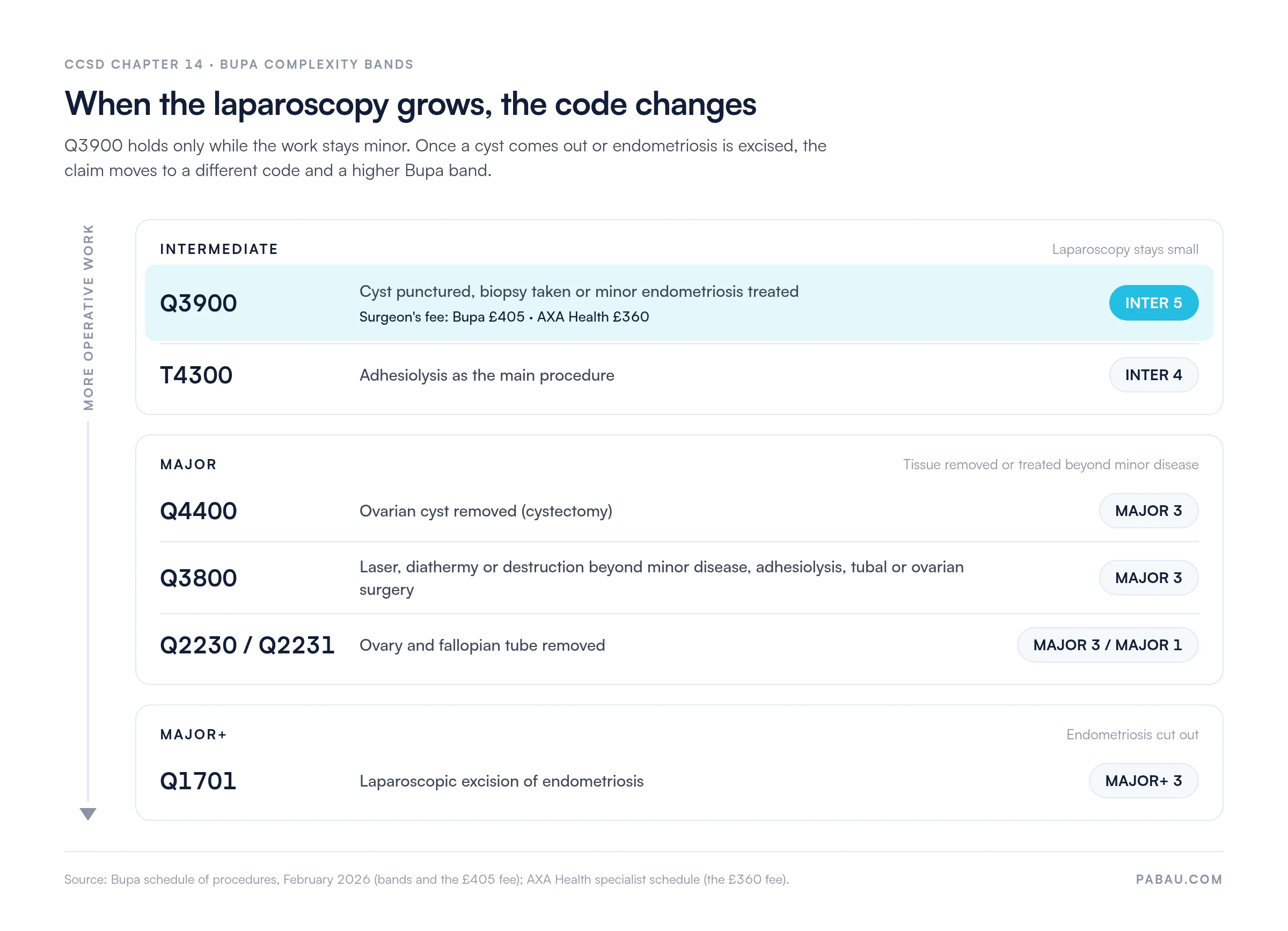
Each insurer publishes unacceptable combinations: pairs of codes it will not pay together for one procedure. AXA Health’s specialist schedule lists T4300, Q4400, Q0790, Q0920, Q2232 and Q2233 among those for Q3900.
The logic is that a laparoscopy is already part of the bigger operation. A laparoscopic total hysterectomy (Q0790) or a myomectomy (Q0920) includes the look and any minor work, so Q3900 adds nothing billable. A vaginal hysterectomy done with no laparoscope at all is billed under CCSD code Q0800.
Before you add a second code to a Q3900 claim, check that insurer’s combination list for the pair. Bupa and AXA Health publish their own rules, and a pair one insurer pays can be rejected by another.
Bupa’s February 2026 schedule places Q3900 in band INTER 5, with a listed procedure fee of £405. AXA Health classes it as an intermediate procedure and lists a fee of £360.
These are the surgeon’s fee for the operation only. The anaesthetist and the hospital bill separately, and each insurer can update its schedule during the year. Check the current figure before you quote a self-pay patient or set a shortfall.
UK insurers expect a WHO ICD-10 diagnosis code on every claim, and it has to match the operative findings in the record. Code what was found and treated, not only the pre-operative suspicion.
When a cyst and minor endometriosis are treated in the same procedure, list both codes with the main operative finding first. Confirm each code in the WHO ICD-10 browser before submission.
An insurer reviewing a Q3900 claim checks whether the operative note supports the code billed. A thin note is a common reason for a query, even when the surgery itself was appropriate. A templated operative note lets a gynaecology practice record each required element the same way every time.
The operative note for Q3900 should record each of the following:
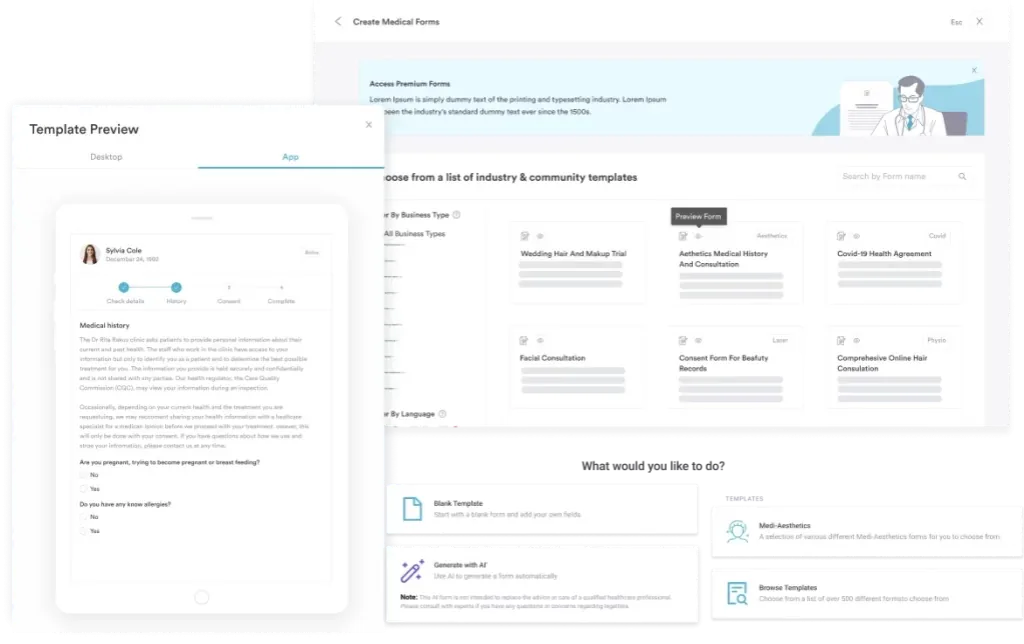
Standardised digital operative documentation keeps incomplete notes away from the billing desk. With every field templated, a missing cyst size or side is spotted before the patient leaves theatre, while the surgeon can still add it.
Q3900 covers the surgeon’s fee only. The anaesthetist and the hospital invoice the insurer separately for the same episode.
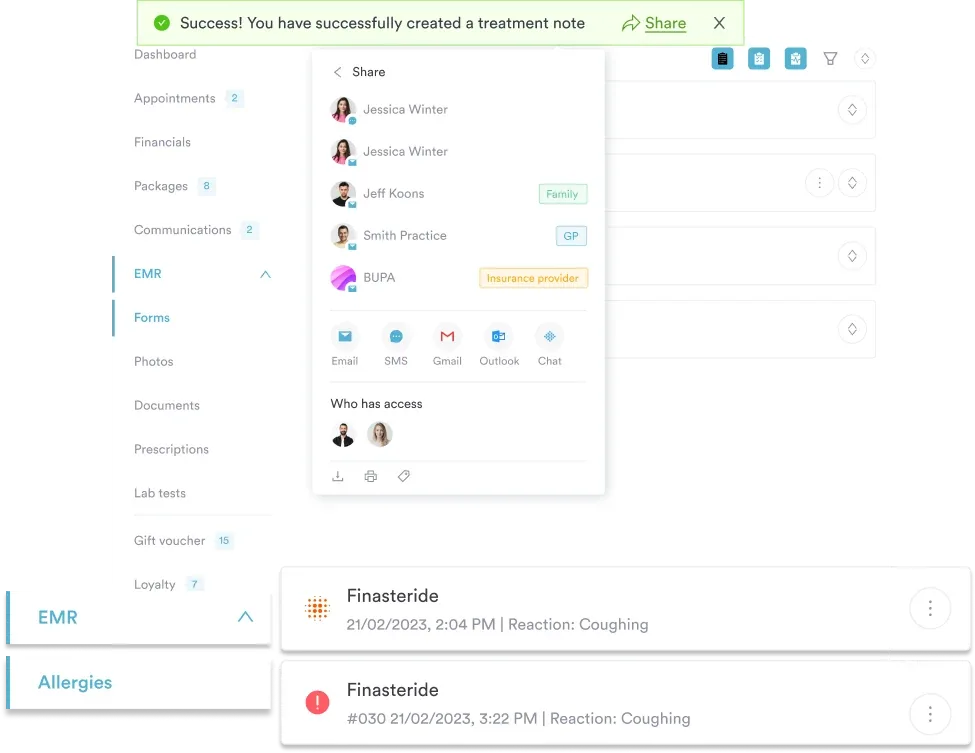
Send the anaesthetist the CCSD code, the ICD-10 codes and the pre-authorisation number before the operating list. When the three invoices for one episode disagree, the insurer queries all of them and payment stalls.
Most UK private medical insurers ask the patient to get a pre-authorisation number before elective surgery. The insurer checks that the policy covers the condition and that it recognises the consultant. Bupa, AXA Health, Vitality, Aviva, WPA and The Exeter each run their own process, so confirm the rules before a date is booked.
A Q3900 pre-authorisation request usually needs:
Fees vary by insurer and band, and our Bupa procedure codes and fee schedule guide explains how Bupa sets them. If the code changes during surgery, call the insurer to update the authorisation before you send the invoice.
Rejected and short-paid Q3900 claims follow predictable patterns. Each reason below traces back to a check that can run before submission, and a structured patient record catches most of them.
CCSD has no modifier system like the CPT -50, -LT and -RT modifiers used in the US. Each code describes the whole procedure. Where a second side changes the fee, CCSD writes that into the descriptor: Q4400 says “including bilateral”, for example.
Q3900 describes one laparoscopy, so draining cysts on both ovaries in the same procedure is still one Q3900 line. Record both sides in the operative note, so an insurer reviewer can see the work behind the code.
A clean Q3900 claim runs from scope confirmation before surgery to payment posting afterwards. Each step below heads off one or more of the denial reasons in the table above.
Most of the denials above come from three manual steps: choosing the code, writing the operative note and recording the pre-authorisation number. On paper, each step lives in a different place, so a mismatch shows up only when the insurer queries the claim.
Pabau, the practice management platform we build, keeps the operative note and the claim on one patient record. Its joined-up claims management sends UK claims through Healthcode and Bupa, so nobody re-keys the procedure into a separate billing system.
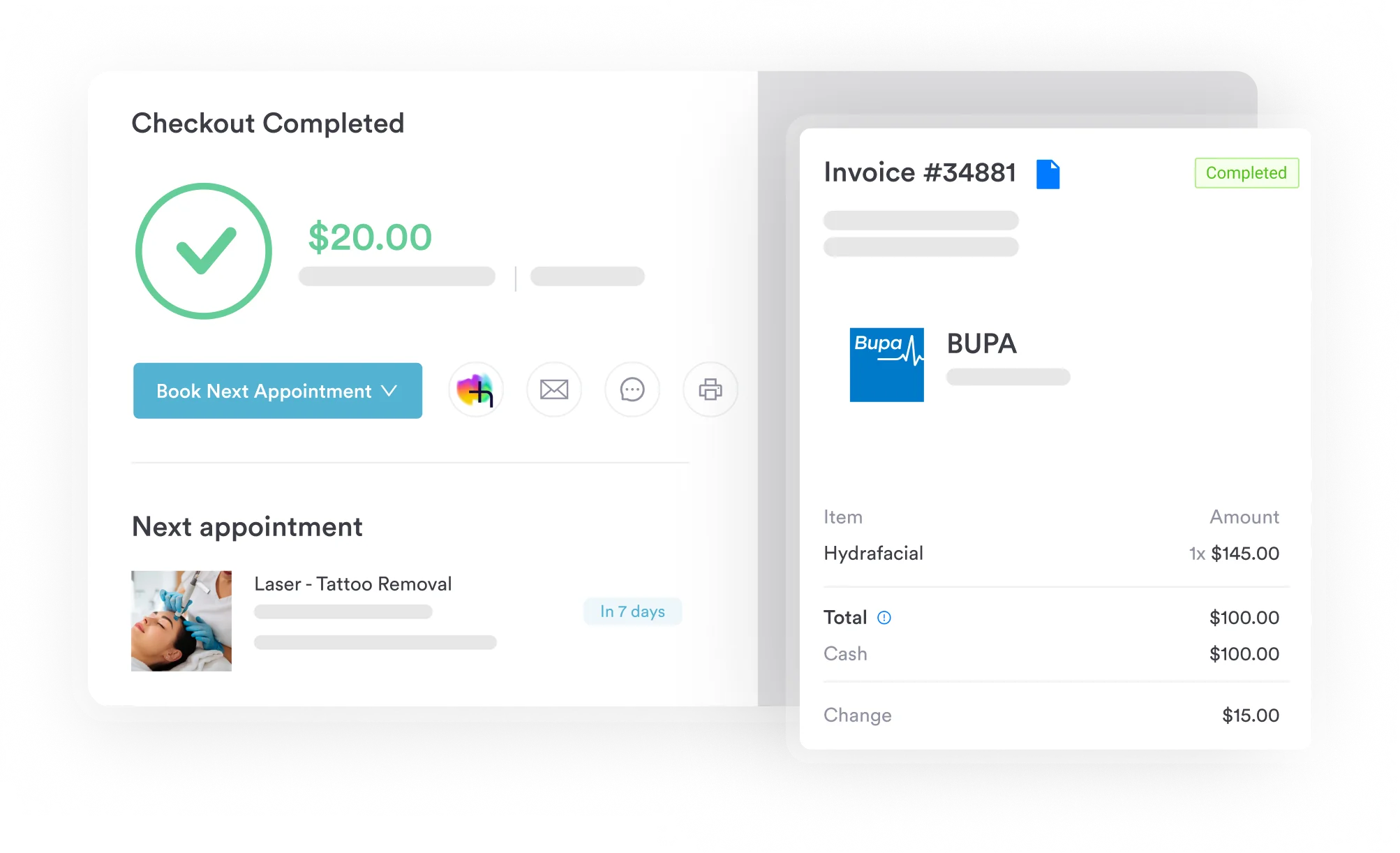
The pre-authorisation number sits on the case, next to the code it covers. When the operation changes the code, the practice sees the mismatch before the invoice leaves, not when the insurer rejects it.

Pabau keeps pre-authorisation numbers, consent and operative notes on one record, then sends the insurer claim through Healthcode or Bupa. See how it fits a UK private gynaecology practice.

Q3900 is the right code for a laparoscopy that stays small: a cyst drained, a biopsy taken or a few superficial deposits treated. The moment a cyst comes out or endometriosis is excised, the operation belongs to Q4400, Q1701 or Q3800 instead.
So write the operative note as if it were the claim, and get authorisation for the code you expect to bill. If the surgery outgrows the plan, update the insurer before you invoice. Book a demo to see how Pabau keeps the operative note, the pre-authorisation and the Healthcode claim on one record.

Billing a hysteroscopic procedure on the same gynaecology list? CCSD code Q1802 explains how hysteroscopic fibroid resection is coded and claimed.
CCSD code Q3900 is the UK private-sector procedure code for laparoscopy, including puncture of ovarian cysts, biopsy and treatment of minor endometriosis. It comes from the Clinical Coding and Schedule Development group. UK private medical insurers such as Bupa and AXA Health use it to pay the surgeon’s fee.
Q3900 covers a laparoscopy with minor work, such as draining a cyst or treating superficial endometriosis. Q3800 covers laparoscopy with therapeutic procedures, including laser, diathermy and destruction of endometriosis, adhesiolysis, and tubal and ovarian surgery. Bupa bands Q3900 as INTER 5 and Q3800 as MAJOR 3.
The most common pairings are N83.0 to N83.2 for ovarian cysts and N80.1 to N80.3 for endometriosis of the ovary, fallopian tube and pelvic peritoneum. When both are treated in the same procedure, list both codes with the main finding first.
Most do for elective surgery. The patient or practice contacts the insurer with the code, the diagnosis and the referral, and receives an authorisation number. If the code changes during surgery, ask the insurer to update the authorisation before you invoice.
No. The descriptor covers minor endometriosis only. Laparoscopic excision of endometriosis is Q1701, and laser, diathermy or destruction beyond minor disease falls under Q3800. Billing extensive disease as Q3900 undercharges and invites a query when the note does not match the code.
Bupa’s February 2026 schedule places Q3900 in band INTER 5, with a listed procedure fee of £405 for the surgeon. AXA Health lists it as intermediate at £360. The anaesthetist and the hospital bill separately.
The usual reasons are a missing pre-authorisation, a claim code that differs from the authorised code, and an unacceptable code combination. Others are an operative note that does not support the code and a condition outside the policy. A pre-submission checklist prevents most of them.