ICD-10 Code Y76.0: Diagnostic obstetric and gynecological devices
ICD-10 Code Y76.0: Definition and billable status ICD-10 Code Y76.0 is a valid, ...

Last Updated: Oct 23, 2026
Billable Code Specific Code
S63.252D is the billable ICD-10-CM code for unspecified dislocation of right middle finger, subsequent encounter.
Let Pabau's smart automation suggest the right codes, reduce claim denials, and keep your practice compliant—effortlessly.
Automate repetitive tasks and focus on what matters most—your patients.
Reduce coding errors and ensure compliance with the latest regulations.
Clean claims, fewer denials, and faster reimbursements.
Powerful insights and reporting to help your practice thrive.
HIPAA compliant SOC 2 certified GDPR-compliant Trusted by 4,000+ clinics worldwide

ICD-10 code S63.252D covers an unspecified dislocation of the right middle finger at a follow-up encounter, not the first visit.
The code is billable and valid for FY2026, effective October 1, 2025, so it can be submitted on its own.
Use A at the first encounter, D during healing and recovery, and S only for a documented late effect.
A supportable claim needs laterality, the digit named, the encounter type, and the dislocation as the reason for the visit.
Practice management software like Pabau carries the code from the clinical note into the claim, so nobody re-keys it.
S63.252D is a billable ICD-10-CM diagnosis code. Its official long description is: Unspecified dislocation of right middle finger, subsequent encounter.
Use it when a patient returns for ongoing care of a right middle finger dislocation. The word “unspecified” refers to the joint, not to laterality. Nobody named the proximal interphalangeal, distal interphalangeal, or metacarpophalangeal joint in the original record.
Coders working with sports medicine practice software meet this code often. Athletes come back for physical therapy or a follow-up x-ray after an emergency or urgent care visit.
Knowing where S63.252D sits in the ICD-10-CM classification confirms you have picked the most specific code available. That check also reduces audit exposure. Neighboring codes in the same subcategory, such as S63.295D, follow the same five-level structure.
When verifying any S63.x code, check the CDC/NCHS ICD-10-CM web tool first. The tabular list carries Includes and Excludes1 notes at the category level. Those notes can change billing validity for adjacent codes in the S63 block.
The seventh character is where most S63.252 coding errors happen. ICD-10-CM assigns three seventh-character values to injury codes in the S00-T88 chapter. Each one marks a distinct phase of care, and picking the wrong one is the most common reason these claims are denied.
Match the seventh character to the patient’s clinical status, not to the number of visits they have had. The same rule governs finger fracture codes such as S62.630K.
The clinical question is simple. Has the patient already received active treatment for this dislocation? If they have, and they are back for follow-up care, S63.252D applies. The table below sets out the decision logic and a typical scenario for each variant.
A claim using S63.252D is only supportable when the medical record carries four specific elements. Miss any one of them and payers have grounds to request records or downcode the claim. Practices using digital intake forms can pre-populate these fields.
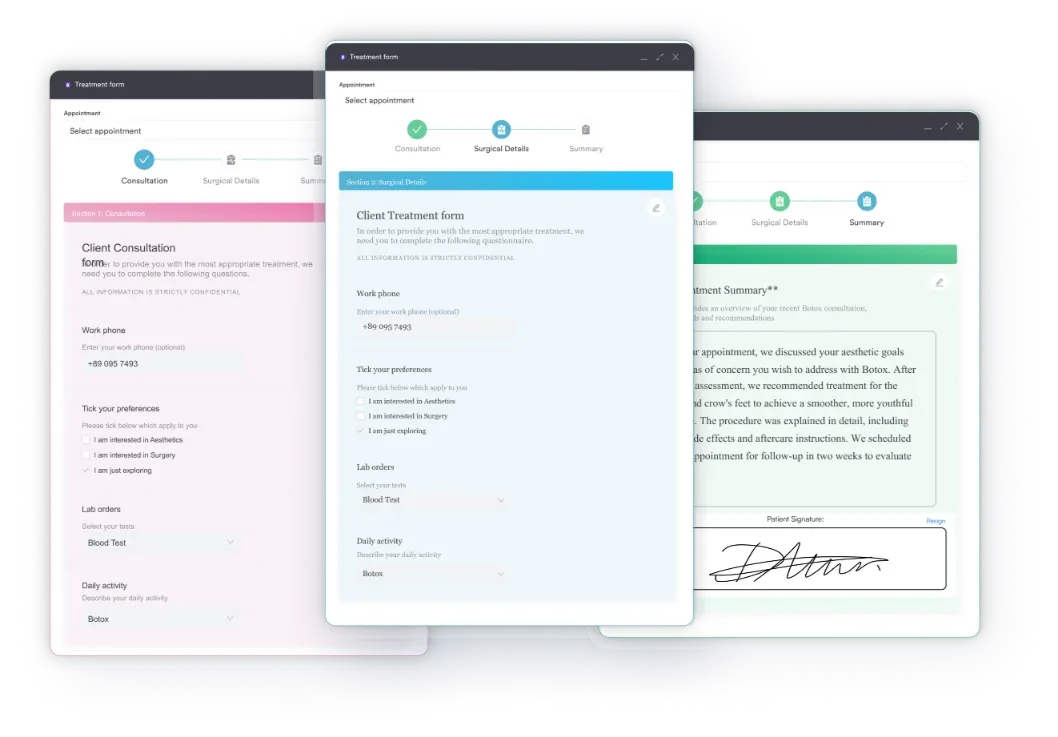
Clinical documentation tools inside an EHR can structure progress notes so laterality and encounter type are captured at every visit. Practices treating hand injuries should build note templates that force a coder to confirm digit and encounter phase before the record is finalized.
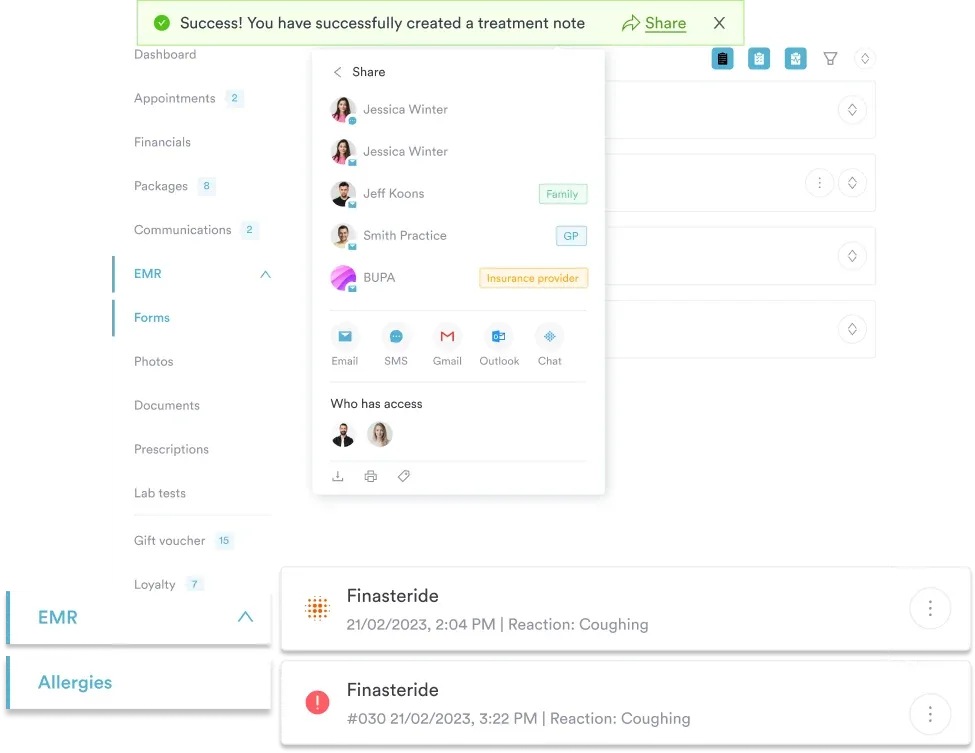
Coders working with S63.252D often cross-reference nearby hand injury codes to confirm they have the most precise option. Ligament injuries carry their own entries, such as entries, such as S63.491A. The table below shows the sibling codes inside S63.25 for subsequent encounters, plus related codes in the wider S63.2 block.
Check the AAPC ICD-10-CM code list when the documented digit is not the middle finger.
The ICD-10-CM Official Guidelines for Coding and Reporting set the authoritative rules for S63.252D. CDC/NCHS and CMS maintain them jointly. Any billing platform an orthopedic or rehab practice runs should enforce the sequencing logic below.
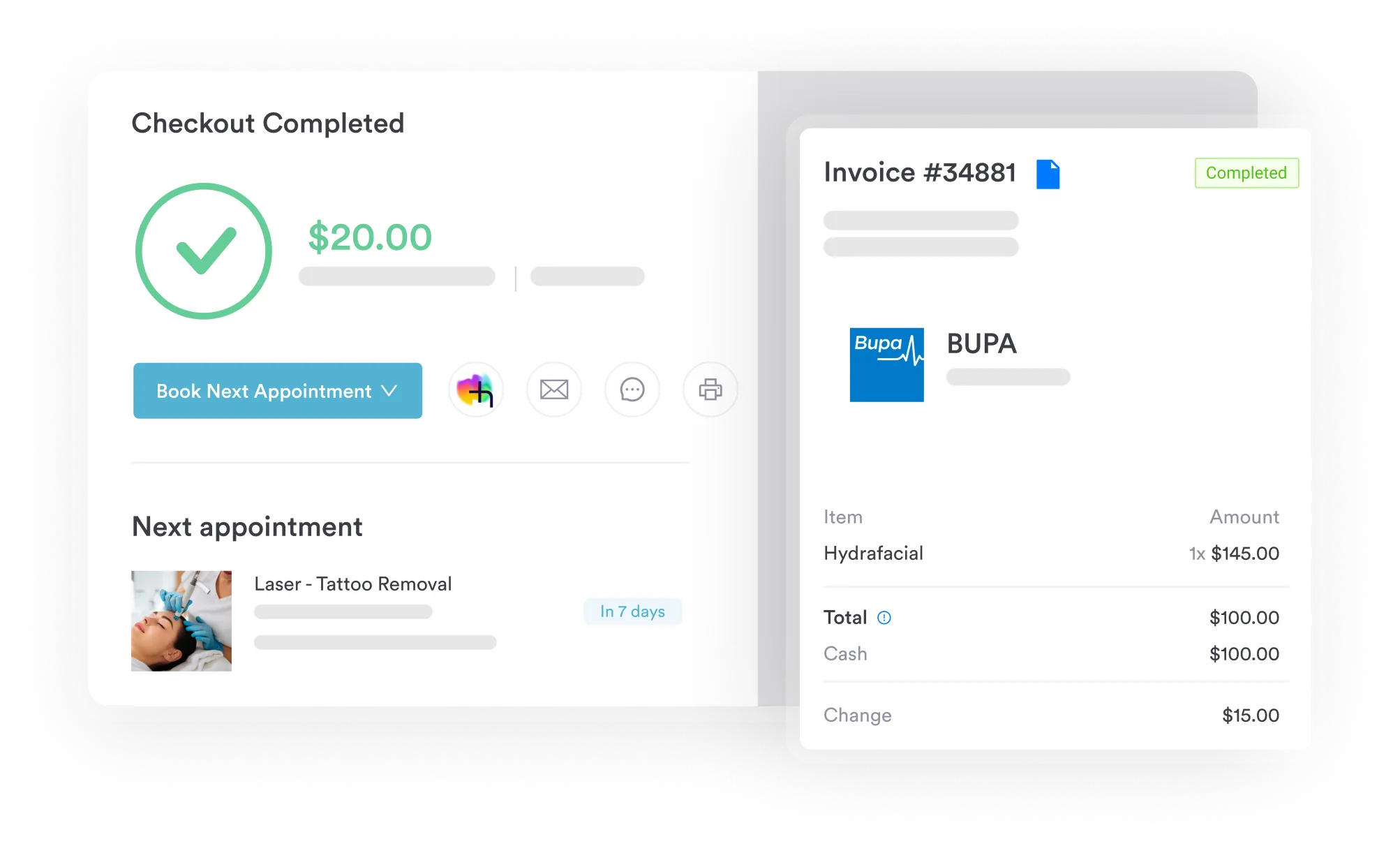
For practices treating hand and finger injuries, revenue leaks between code selection and clean claim submission. Practice management software like Pabau closes that distance. Its claims management software connects code entry straight to the billing queue, so S63.252D reaches the claim without re-entry.
Pabau Scribe, our AI scribe, structures progress notes so the four elements a S63.252D claim needs are captured at the point of care. Those elements are laterality, digit specificity, encounter type, and the dislocation as the primary complaint.
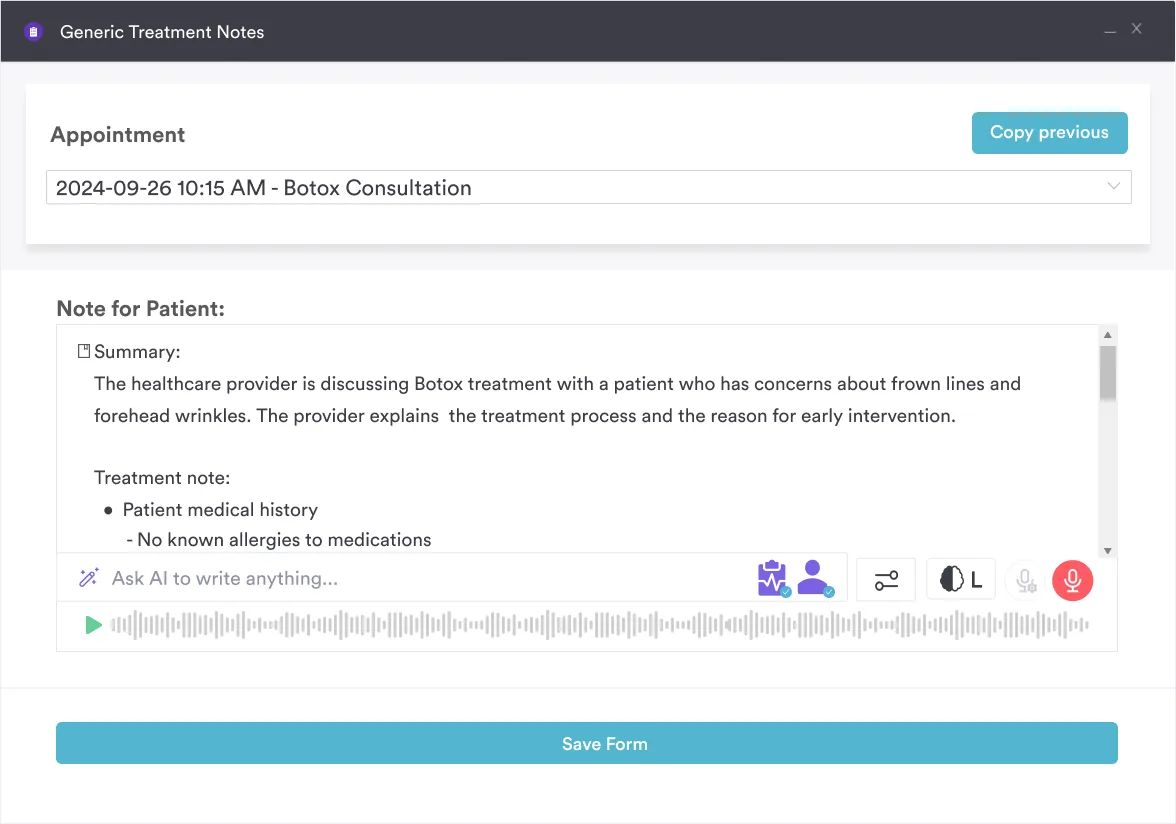
The system flags an incomplete note before it reaches billing. That cuts the back-and-forth between clinical and billing teams, which is common in busy orthopedic and physical therapy EHR software settings.
For groups running several providers and locations, Pabau’s practice management software centralizes coding rules and payer requirements. Billing staff then apply the same seventh-character logic across every provider’s notes, without relying on memory.

Pabau’s claims tools help practices document musculoskeletal injuries, assign ICD-10 codes accurately, and submit clean claims. That means fewer denials and less rework for your billing team.

S63.252D is an easy code to assign and an easy one to lose on appeal. What decides the outcome is the note behind it, written weeks earlier by a clinician who was not thinking about billing.
Fix the note template once and the coding looks after itself. If laterality, the digit, and the encounter phase are required fields, a coder never has to guess which seventh character the visit earned.
Book a demo to see how Pabau ties clinical notes to clean claims for hand and finger injuries.

Documenting a sprain that never fully settled? S63.615S explains how the sequela suffix works for a finger sprain.
Coding a LeFort II fracture instead? Nasomaxillary fracture billing guide covers CPT code 21346 for open treatment of a LeFort II nasomaxillary fracture with wiring or fixation.
Coding a percutaneous malar fracture instead? Malar fracture billing guide covers CPT code 21355 for percutaneous reduction of a malar area fracture without an open incision.
ICD-10 code S63.252D is a billable ICD-10-CM diagnosis code meaning “Unspecified dislocation of right middle finger, subsequent encounter.” Use it when a patient returns for follow-up care of a dislocation that was already diagnosed and treated. The word “unspecified” means the original record never named the joint.
Yes. S63.252D is a billable, specific ICD-10-CM code valid for claim submission. It took effect October 1, 2025 under the FY2026 ICD-10-CM edition and can be reported for reimbursement.
The seventh character marks the phase of care. S63.252A covers the initial encounter, when active treatment begins. S63.252D covers subsequent encounters during healing and recovery. S63.252S covers a sequela, a late effect that appears after the acute injury has resolved.
Use the D suffix once the patient has had active treatment and is back for monitoring, physical therapy, splint management, or other follow-up care. It applies whether the follow-up is with the same provider or a different one. What matters is that the injury was actively treated before.
Yes. S63.252D is valid for FY2026, which runs from October 1, 2025 through September 30, 2026. CMS and NCHS confirmed the code in the 2026 edition of ICD-10-CM.
Common pairings for follow-up visits include evaluation and management codes such as 99213 or 99214. Physical and occupational therapy codes such as 97110 and 97530 apply when rehabilitative services are given. Always check CPT-to-ICD-10 pairings against current AMA guidelines and payer policy, since medical necessity rules vary.