Antipsychotic medication list
An antipsychotic medication list is a structured reference that organizes psychi...

2
Last Updated: Oct 13, 2026

A Stop Think Act worksheet asks a child to name the trigger, list the options they can see, and record the response they chose.
The Think step is where the strategy usually fails, so pre-teach two or three coping options instead of asking a stressed child to brainstorm.
Adapt it by age, from two picture-based options at ages 4 to 7 to challenging the underlying thought at 13 and up.
Count how many options a child produces unprompted, because that number moves before the outbursts stop.
Practice management software like Pabau stores completed worksheets against the client record, so progress across sessions and clinicians stays visible.
Prompts for each of the three steps, with room for the situation, the feeling, the options considered, and the response chosen. It closes with a reflection question and a block for the clinician’s name, license number, and practice.
Download templateA Stop Think Act worksheet buys a child a pause between a trigger and a reaction, then puts that pause on paper. Children who act on impulse rarely lack the skill to choose well. They simply never reach the choice. Writing the moment down gives them time to get there.
The step to get right is Think, because that is where the strategy usually collapses. Do that well and one page serves twice. It teaches during the session, and it shows progress in the record.
What follows is the session sequence, the age adaptations, and what to write in the note.
The worksheet turns one impulsive moment into three written decisions. The child slows down, then records what they did with the pause.
Cognitive behavioral therapy sits underneath all three moves. The child observes their own thinking, which clinicians call metacognitive awareness. That habit is what travels to the playground, long after the paper is filed.
The page itself stays deliberately plain. A child describes the situation, names the emotion, lists the options, and marks the one they picked or would pick next time.
Our version also asks how it turned out afterwards. That last field is the one that turns a teaching exercise into progress evidence.
Teach the steps while the child is calm, practice on a memory that still stings a little, then repeat with harder scenarios.
The sequence below holds up in individual therapy, in group work, and in a counselor’s office.
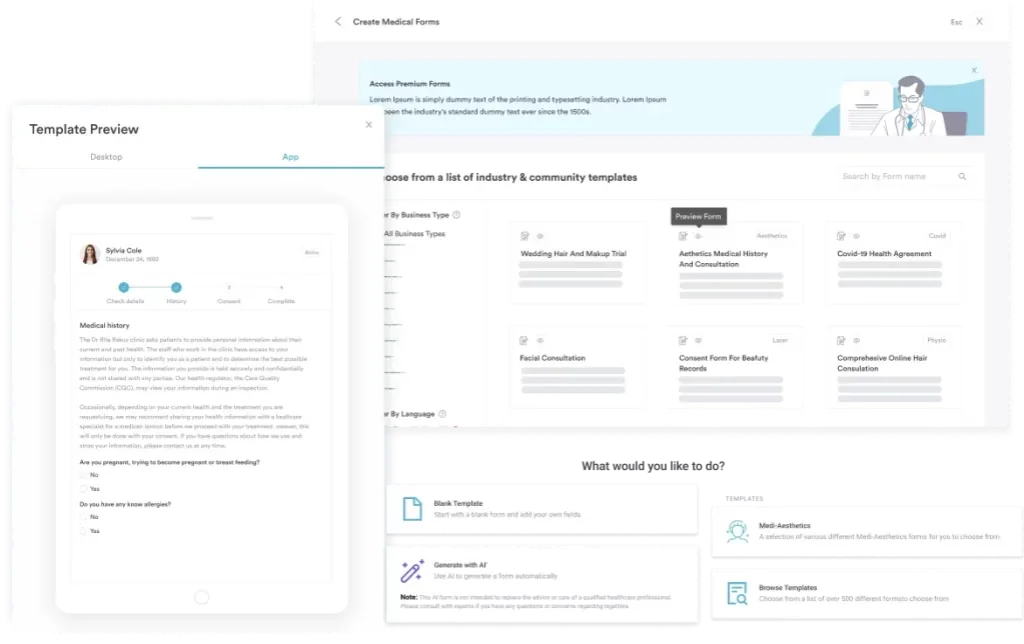
Delivering the sheet on a tablet changes little about the clinical work and a lot about the follow-up. Send it as a digital form and the answers land straight in the child’s record, so nothing goes missing between appointments.
The three steps never change. What changes is the option count, the language, and how much of the thinking you do out loud with them. The grid below puts the three bands side by side.
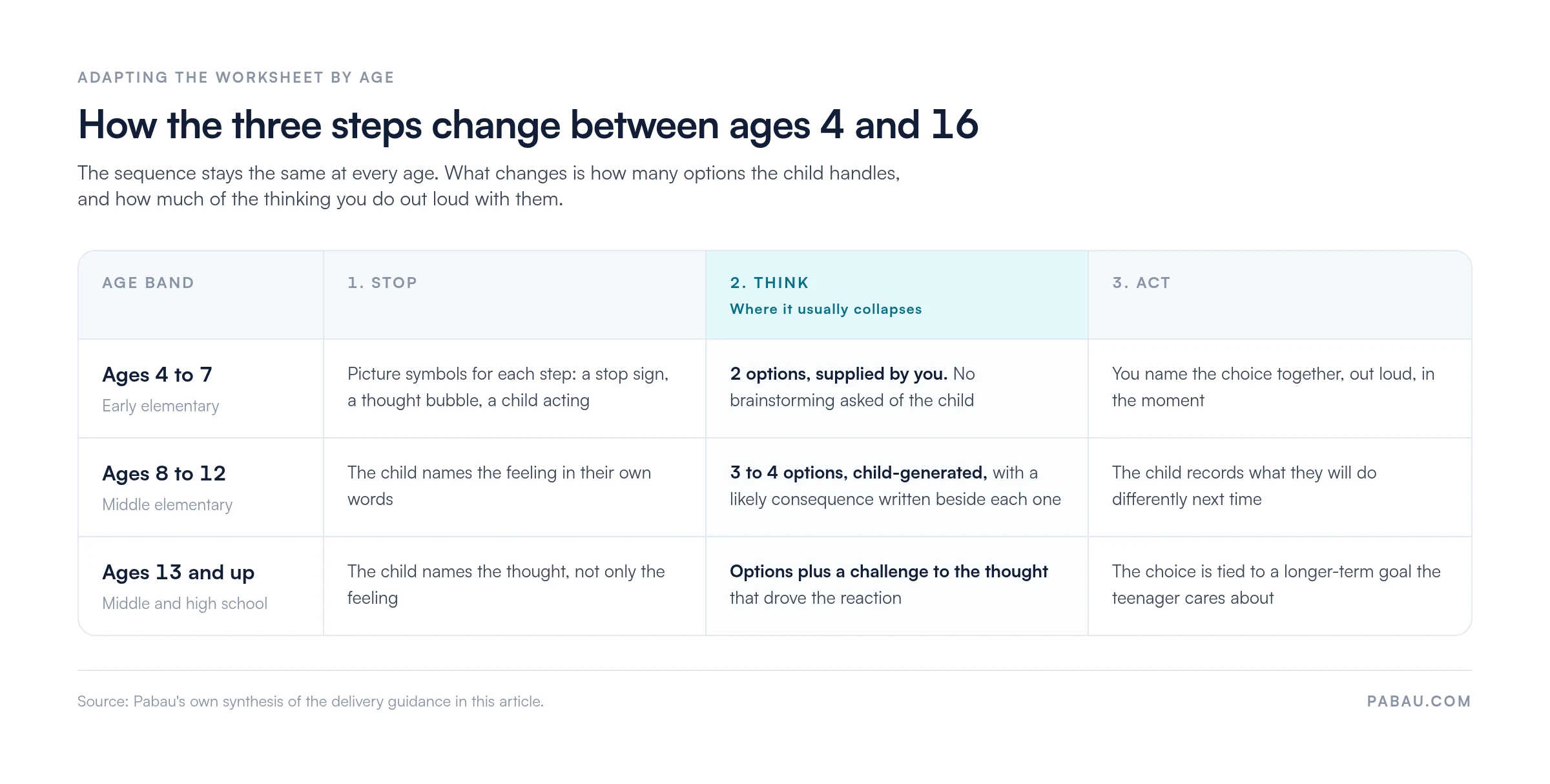
Give each step a picture symbol. A stop sign, a thought bubble, and a child taking action all work. Offer the options yourself rather than asking for a brainstorm. Two is usually enough. Practice on moments from this week, like a lost game or a toy taken at circle time.
Let the child generate three or four responses, then write what each one probably leads to. “If I ask to share, she might play with me. If I shout, she gets angrier.” Add a line for what they would do differently next time. Peer conflict and homework frustration are the scenarios that pay off here.
Teenagers can handle the reflective version. Add a line for the thought they had in the moment, then a line to challenge it. “Everyone was laughing at me” becomes “two people noticed”. Then tie the habit to a goal they care about, such as staying calm through an exam.
Almost every failure happens at Think, whatever the age band. The child stops, then freezes, because producing options under stress is the hardest part of the sequence. Four failure points come up again and again.
One more failure sits with the adults. If the classroom teacher and the therapist use different wording for the same three steps, the child hears two systems. Agree on the phrasing once, write it down, and share it with everyone working with that child.
Children whose difficulty is timing rather than knowledge benefit most. They know the better choice. It just arrives too late.
One caution. If a child is already in crisis, this is the wrong tool for that moment, so teach it in the calm instead.
Pair it with your crisis intervention plan for the moments it cannot cover. For a child who needs more repetition on the same skill, an impulse control worksheet gives you a second format to rotate in.
A finished sheet is clinical documentation in its own right. It shows what the child noticed, which options they could see, and the one they chose. That is the evidence a treatment plan review needs.
So what goes in the note? Three lines cover it.
Track the option count over time and you have a workable progress measure. A child who moved from one option to three has gained the skill the worksheet teaches. The outbursts may not have stopped yet, and that is normal.
Paper is still the default here, and it costs you the comparison. The sheet gets completed in the room, photocopied if someone remembers, then filed. Six weeks on, nobody can find the first one to hold it against.
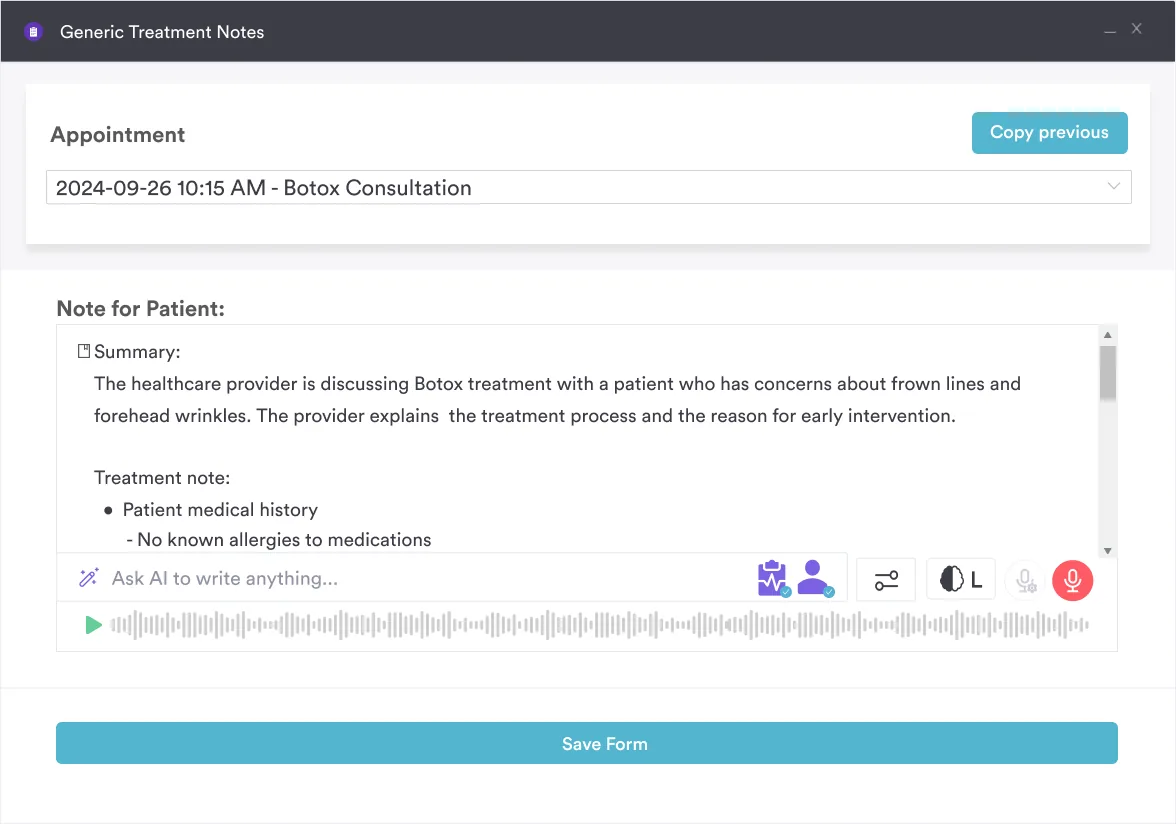
Practice management software like Pabau closes that loop. You build the worksheet once as a digital form, then send it to the parent or complete it on a tablet in session. The answers save into the child’s record, so there is nothing to re-type into the note afterwards.
One record holds the appointments, the notes, and the forms together. A colleague picking up the case sees every sheet in order, which matters in group practices where a child often sees two clinicians. Purpose-built software for therapy practices keeps that view shared without extra admin.
The payoff is small but it compounds. You stop hunting for last month’s worksheet, and you start answering the question parents actually ask, which is whether the work is helping.

Pabau’s digital forms send the worksheet out and file the answers against the client record. Progress stays visible to every clinician on the case, with no re-typing.

The worksheet is simple enough that its success rests almost entirely on delivery. Teach it before it is needed, practice it often, and keep the option list short enough that a stressed child can still reach it.
Expect the change to show up in the middle step first. Children usually produce more options before they consistently pick the best one. So track the option count rather than waiting for the outbursts to stop. That measure is honest, and it keeps parents with you while the behavior catches up.
Then keep the completed sheets somewhere you can compare them, because a worksheet you cannot find is a session you cannot build on.
Book a demo to see how Pabau’s digital forms and session notes keep every worksheet attached to the child’s record.

Working with younger clients? Therapy worksheets for kids collects age-appropriate formats you can rotate through across a block of sessions.
Need a longer skills sequence? The self-control worksheet extends the same pause-and-choose habit into planning and delayed gratification.
Wondering how this differs from DBT? Our guide to the DBT STOP skill sets out the distress tolerance version used with teenagers and adults.
Want a decision-focused alternative? The choice point worksheet maps the same moment onto moves toward or away from what the client values.
No. The DBT STOP skill stands for stop, take a step back, observe, and proceed mindfully. It is a distress tolerance skill taught mostly to teenagers and adults. Stop Think Act is a shorter three-step framework aimed at children. The overlap is the pause. The rest differs.
Yes, and consistency at home is usually what makes it stick. Give the parent the same wording you use in session, then ask them to run it once a week on a small, low-heat moment. Save the difficult incidents for your room, where you can hold the emotion.
Draw it instead. The child points at a picture or picks a face for the feeling, and you write their words in for them. Picture symbols work well for the three steps, and two option boxes are plenty. The thinking is the target, not the handwriting.
The three steps transfer, but adults usually want more room for the thought behind the reaction. Without that, the sheet can feel childish and the session stalls. With adult clients, treat it as a warm-up to cognitive restructuring rather than the intervention itself.