Free model waiver form + what it is and when your practice needs one
A model waiver form is a signed document that lets a healthcare practice use a p...

5
Last Updated: Sep 29, 2026

Pressotherapy uses sequential pneumatic compression through an inflatable garment to move lymphatic fluid and reduce swelling.
A good intake form screens for contraindications including DVT, pregnancy, heart conditions, active infection, and malignancy.
Aftercare covering hydration, activity limits, and compression improves results and lowers the risk of side effects.
Record the pressure setting, program, and cycle time in the note so the next session is repeatable.
Practice management software like Pabau digitizes consent, contraindication screening, and automated aftercare follow-up.
A ready-to-use form covering client details, contraindication screening, and treatment consent declarations. It also carries aftercare instructions, hydration and activity guidance, and signature blocks for your records.
Download templateA pressotherapy intake and consent form is what makes the treatment safe to sell and safe to document. This template gives your med spa a form that screens for risk before the first session runs. It records what the client understands about the treatment, then sends them home with aftercare they can follow. Your software choice for charting and payments can start with our list of the top med spa software.
Pressotherapy is a non-invasive compression therapy that uses an inflatable garment and a pneumatic pump. Sequential pressure waves move lymphatic fluid, reduce fluid retention, and improve circulation in the legs, arms, or abdomen. Sessions usually run 30 to 45 minutes, weekly, across a course of six to eight weeks.
Intake matters because that fluid shift is unsafe for some clients. Deep vein thrombosis (DVT), pregnancy, active infection, and cardiac conditions all need screening before the first session.
A completed form protects the client and establishes informed consent. It also leaves a record of your due diligence. That is why med spa software keeps signed forms attached to the client file, not in a paper folder.
The template covers five steps your team follows at a client’s first visit and at annual renewal. Each one maps to a section of the form.
Add one field the generic form builders leave out. Record the pressure setting, the program, and the cycle time you used, along with the garment size.
Pressotherapy devices vary, so those numbers let a colleague repeat the session exactly. Baseline limb measurements belong there too. They turn a vague sense of improvement into a figure you can show the client at week six.
Digital intake forms automate the whole sequence. The client completes the form on a tablet or phone at check-in, and the answers land in the client record. Aftercare instructions then go out by email as soon as the session ends.
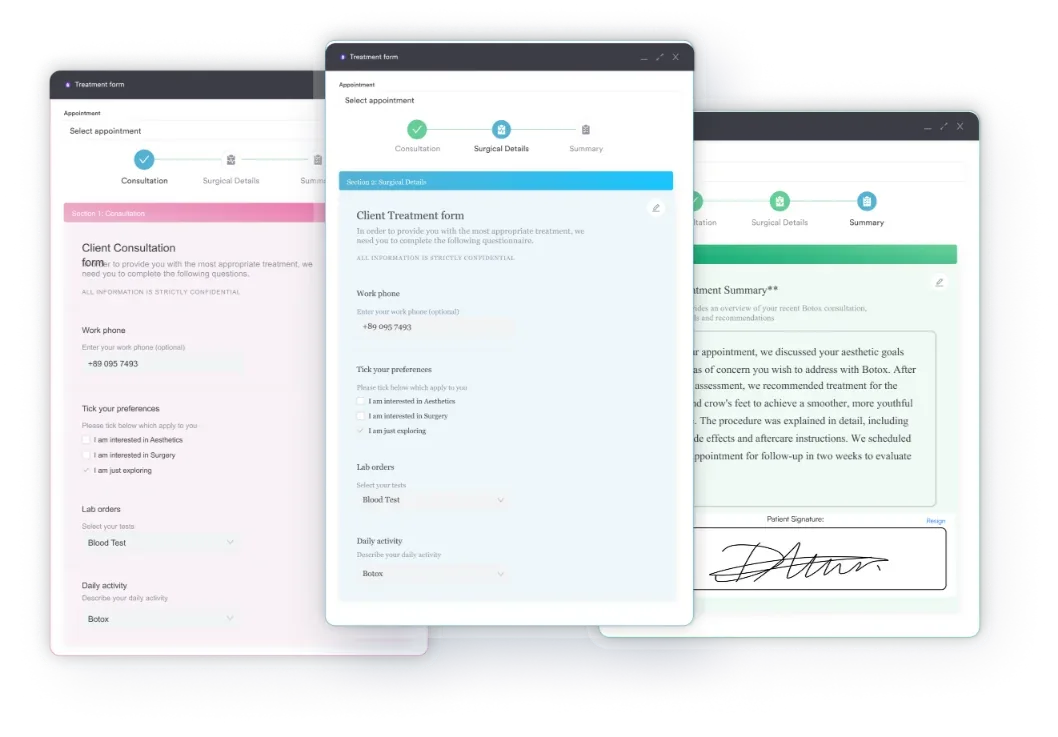
The form suits med spas, aesthetic practices, wellness centers, and spas treating adults. It fits UK practices working to CQC expectations, US practices under HIPAA, and other regulated markets. Physical therapy, sports recovery, and post-surgical rehabilitation practices can use it too.
Wellness centers running pressotherapy alongside sauna, IV drips, or body treatments can reuse the same screening block for each service. Wellness clinic software keeps every signed form in one client file.
If your practice already runs a practice management system like Pabau, import the template as a reusable form. Set it to send itself before the first appointment, so screening happens before the client arrives. Practices offering several device treatments can pair it with the CryoPen consent template, so the wording stays consistent.
Legal and regulatory protection: A signed consent form shows the client made an informed decision, which is what counts if a complaint follows. CQC inspections and US audits expect to see that documentation. In the US, holding it in a HIPAA-compliant system is not optional.
Safety screening: A consistent checklist catches DVT, pregnancy, cardiac conditions, and active infection before the pump is switched on. That prevents harm and lowers your liability exposure.
Workflow efficiency: A form completed at check-in removes manual data entry and shortens the appointment. Your front desk spends less time on paperwork and more time with clients.
Outcome tracking: Keep intake answers and aftercare compliance in one place so you can track client outcomes across a course of sessions. That evidence is what persuades the next client to book six sessions instead of one.
Pressotherapy moves lymphatic fluid and increases venous return. Some conditions make that unsafe. Screen every client before you book the first session.
When a client discloses a relative contraindication, ask for written clearance from their physician or specialist. A medical necessity letter is the usual format for it. Store the clearance with the signed consent form, and follow your own data protection rules when you do.
Download the form as a PDF, then load it into your practice management system as a reusable template. Most platforms let you attach it to a service or an appointment type.
In Pabau, the form sits with your other paperless workflows and triggers when a client books pressotherapy. They complete it before arrival, and the answers populate the client record. Check-in gets shorter, and no screening question gets skipped.
Pabau Scribe, our AI scribe, writes the session note for you in seconds. It pulls the intake answers into the same record, so documentation stays complete without extra typing.
Signed consents and aftercare acknowledgments then live in the client’s record, which is what an inspector asks to see. You can produce a year of pressotherapy consents without opening a filing cabinet.
Flag the clients who report less swelling and those who rebook, then compare them against aftercare compliance. The ones who hydrate and rest usually report better results. Pabau’s automated follow-up can send the hydration reminder and ask for feedback 24 hours after the session.
The operational question is where the signed form goes next. Often it becomes a PDF in a folder, separate from the appointment, the treatment note, and the invoice. Someone then re-types the same details in three places.
Pabau keeps all of it in one place. The form the client signed, the session it belongs to, and the note the practitioner wrote all sit together. The aftercare email goes out from the same record.
That matters when a regulator asks for every pressotherapy consent from the past year. You filter the client list, not a filing cabinet. Digital forms, consent, and automated follow-up come with every subscription, whatever your user count.

Pabau keeps pressotherapy consent forms, contraindication screening, and aftercare follow-up on the same client record. Your team stops chasing paperwork, and the audit trail builds itself.

Pressotherapy is low-risk for most clients, and careful screening is what keeps it that way. The form is the cheapest safety measure you have, so make it a condition of the first booking rather than a formality at check-in.
The trade-off worth remembering is friction. Paper forms are quick to print and slow to find again, and the second cost lands on the day you need proof. Book a demo to see how Pabau stores pressotherapy consent, screening, and aftercare in one client record.

Need the wider intake workflow? Med spa consultation form covers history-taking and consent for any aesthetic treatment.
Wondering how your online reviews stack up? Med spa reputation management explains why post-visit surveys sent within 24 hours build stronger online reviews.
Not sure how to handle tipping questions? Handling tipping at med spas explains the tipping norms staff and clients should expect at a med spa.
Is checkout costing you repeat bookings? Medical spa POS software explains what to look for in checkout software that handles memberships, discounts, and retail sales.
Yes. Add your logo, update your cancellation policy and contact details, and adjust the aftercare instructions to match your protocols. Keep the contraindication screening, medical history, and consent declarations as they are, since those carry the legal weight. For jurisdiction-specific consent wording, check with your indemnity insurer or a healthcare compliance specialist.
Ask for written clearance from their physician or treating specialist. Store the clearance with the consent form. Do not treat without it, because that document is what protects the client and your practice.
In the UK, the accepted retention period for adult consent records is eight years after the final treatment. For minors, keep the record for 25 years or until the client turns 25, whichever is longer. In the US, HIPAA requires six years. Check your local regulations and your indemnity insurance, which may ask for longer.
The structure is universal, but consent and data protection wording varies by country. In Australia, check your state health department’s requirements. In the EU, make sure your storage and consent flow meet GDPR. A local healthcare lawyer can confirm the wording for your jurisdiction.
Ask them to check with their physician before booking. A week’s delay for clearance costs far less than treating an undiagnosed DVT or cardiac condition. Note the conversation in their record either way.