List of vitamins: All 13 with RDAs and deficiency signs
A list of vitamins names the 13 essential vitamins the body needs from food or s...

8
Last Updated: Oct 8, 2026

A ketogenic meal plan sets macros at 70-80% fat, 15-20% protein, and 5-10% carbohydrates across seven structured days.
Net carb targets usually sit between 20 and 50 grams a day, so patients must subtract fiber and sugar alcohols.
Keto flu peaks in the first two weeks, and electrolytes plus a gradual carb taper keep most patients on the plan.
Screen for kidney disease, type 1 diabetes, and medication interactions before a patient starts day one.
Practice management software like Pabau sends the plan through a patient portal and records how each patient responds.
Seven days of breakfast, lunch, dinner, and snack options, each with net carb counts and macro targets. It also carries a categorized shopping list and electrolyte guidance for the adaptation phase.
Download templateA ketogenic meal plan is a seven-day eating template that holds a patient at 70-80% fat, 15-20% protein, and 5-10% carbohydrates. The download above gives you the days, the meals, and the net carb counts already worked out.
Most keto plans online stop at the recipes. This one is built for a supervised program. It adds a contraindication check before day one and a carb taper that softens keto flu. Electrolyte targets are given in grams, not vague advice to drink more water.
Use it with patients pursuing weight management or metabolic health, and keep physician oversight where the history calls for it. Adherence decides whether the program works, so the follow-up schedule matters as much as the macros.
A ketogenic meal plan is a structured dietary framework that holds a patient in ketosis for a set stretch of days. Ketosis is the metabolic state where the body burns fat for fuel instead of glucose. Functional medicine practices use the plan as a therapeutic intervention rather than general diet advice.
The macro split sits at 70-80% fat, 15-20% protein, and 5-10% carbohydrates. That ratio keeps ketone production going while leaving enough protein to protect muscle. General low-carb eating does not go far enough to trigger the same shift.
Practitioners use the plan for weight management, metabolic health, and clinical work such as epilepsy management under medical supervision. A written plan beats verbal advice because it removes the guesswork about portions and shows the patient exactly what a day looks like.
Five steps take a patient from the first consultation to a stable routine:
Digital intake forms can capture dietary preferences, contraindications, and baseline weight before the patient arrives. You start the consultation with the history already on file.

The template earns its place across several kinds of practice:
The plan does its best work with patients who have already counted calories and stalled. A written day-by-day structure takes away the daily decision about what to eat.
Less writing per consultation: A standard template saves you building a plan for every patient from a blank page. Most practitioners save 15 to 30 minutes per appointment.
Better adherence: Patients given named meals and macro targets stay on plan more often than patients told to eat more fat and fewer carbs. Structure removes the 6PM decision.
Consistent tracking: Estimated net carbs and macros per meal let patients self-correct when they go over. That builds the nutrition literacy they need by week four.
Fewer dropouts: Sections on keto flu, electrolytes, and gradual entry tell patients what the first two weeks feel like. Patients who expect the dip are less likely to quit during it.
Cleaner documentation: A dated plan with a supervision note shows informed consent and professional oversight. That record matters if the patient’s care is ever reviewed.
The macro targets are not arbitrary. Each one does a specific job in getting a patient into ketosis and keeping them there.
Net carbs versus total carbs: Net carbohydrates are total carbohydrates minus fiber and sugar alcohols such as erythritol. The difference lets patients eat fiber-rich vegetables without breaking their ceiling. A patient eating 50 grams of total carbohydrates with 20 grams of fiber and 5 grams of sugar alcohols counts 25 net grams.
Carb tolerance varies between patients. Some reach ketosis at 30 grams a day while others need under 20. Keep the weekly numbers in the patient record so you can find each person’s threshold. Then adjust the plan across weeks two to four.
Build every meal from whole foods that hit the ratio without much counting. Quality matters as much as the macros, so favor foods that bring micronutrients along with the fat.
A typical day runs eggs and bacon at breakfast, a salmon salad with olive oil at lunch, and steak with roasted vegetables at dinner. Send the grocery list home with the plan, because patients who shop from a list slip up less often.
Some patients feel rough for the first week or two. Keto flu covers fatigue, headache, irritability, and foggy thinking, and it usually clears within 7 to 14 days.
Electrolytes do most of the work here. As carbohydrate intake drops, water retention falls and sodium goes out with it. Recommend:
Tell patients to get dietitian advice before starting supplements, especially with kidney disease or regular medication. Cutting carbohydrates by about 20 grams a day over one to two weeks also softens the landing.
If a patient reports dizziness or a fainting episode during the taper, document it and code it as R55. Persistent symptoms past two weeks are worth a second look rather than more salt.
Both versions work, but they take more planning. Vegetarian patients get their fat from nuts, seeds, avocado, plant oils, and full-fat dairy where they eat it. Legumes are mostly out on carb count.
Vegan patients lean on coconut oil, nuts, seeds, and avocado. Watch the packaged meat substitutes, as many carry more carbohydrate than a quick glance at the label suggests. A sample day is a tofu and avocado scramble, a macadamia and spinach salad, then cauliflower rice fried in coconut oil.
Practices that also keep a vegan meal plan on file can offer a plant-based route without redrawing the macros for every patient who asks.
The plan only pays off if the patient is still following it in week three. These habits move adherence the most:
Some patients argue with the plan instead of following it. Handling difficult patients starts with asking what got in the way, then changing one thing at a time.
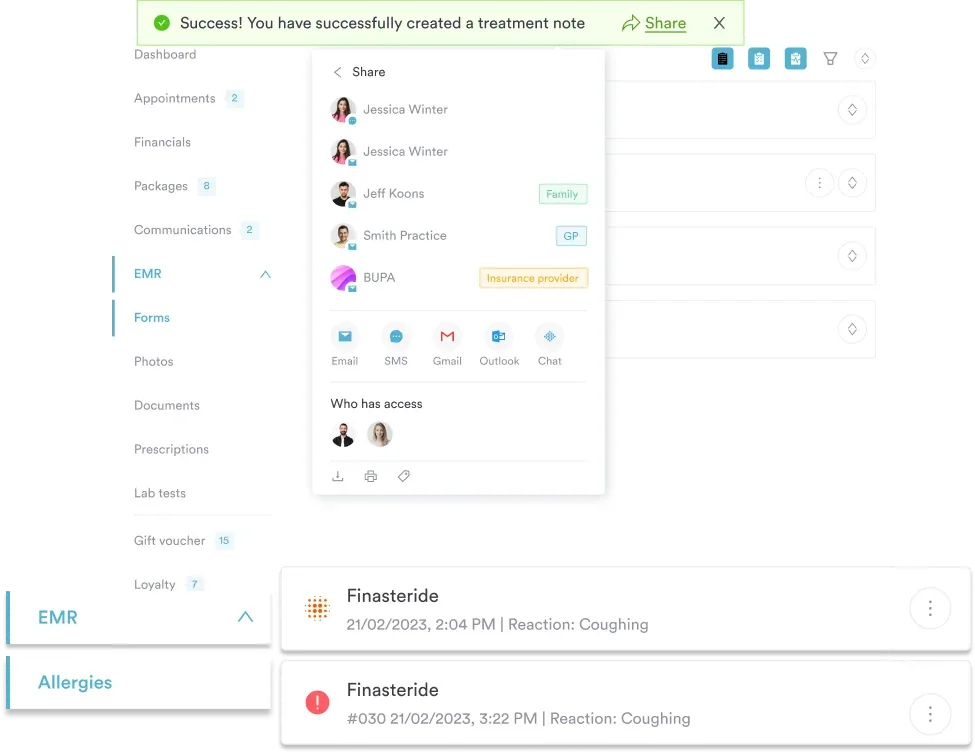
Practice management software like Pabau turns the meal plan from an emailed PDF into a documented part of the patient’s care. Digital forms collect dietary preferences and contraindications before the first appointment. The plan then goes out through the patient portal, so nobody hunts for the latest version.
Weekly weights, symptom reports, and macro notes sit in the same record as the treatment notes. When a patient stalls in week three, you can see what changed instead of guessing. Automated email and SMS reminders nudge patients to log meals, drink water, and take their electrolytes.
Every Pabau subscription includes the forms, the portal, the records, and the marketing tools, so none of this sits behind a higher tier. Structured onboarding sets the workflow up once, and it then runs for every patient who starts the plan.

Pabau’s digital forms, patient portal, and automated reminders send the meal plan out and record how each patient responds. Dietary progress stays in one place, with no extra admin for your front desk.

The meal plan is the easy part. Whether a patient reaches week four depends on the screening you do on day one and the check-ins you book after it.
Set the carb target, taper into it, and cover electrolytes before the patient starts feeling rough. Then write down what happens each week. That record is what tells you whether to hold the target, loosen it, or stop.
Book a demo to see how Pabau distributes meal plans and keeps dietary progress in one patient record.

Need a higher-protein alternative? High protein meal plan suits patients who want muscle retention without strict ketosis.
Patients asking about fasting windows? Intermittent fasting chart sets out sensible windows to pair with low-carb eating.
Tracking blood sugar alongside the diet? Fasting blood sugar chart gives patients a reference range to record against each morning.
Want to reward steady progress? Weight loss reward chart turns weekly wins into something the patient can see.
Working with patients on other ratios? Macro diet plan covers macro splits outside ketosis for patients who want flexibility.
A ketogenic meal plan is a seven-day eating framework set at 70-80% fat, 15-20% protein, and 5-10% carbohydrates. It lists breakfast, lunch, dinner, and snack options with estimated net carb and macro content.
Net carb targets usually range from 20 to 50 grams a day. Most patients hold ketosis under 30 grams. Personalize the target based on how the patient responds over the first four weeks.
Keto flu brings fatigue, headache, irritability, and trouble concentrating. Symptoms usually start in week one and clear within 7 to 14 days. Electrolytes and a gradual carb taper reduce how hard they hit.
It is generally safe for healthy adults following it under practitioner guidance. Patients with kidney disease or type 1 diabetes should see a physician first, as should anyone on regular medication. A gradual transition and steady electrolytes lower the risk.
Yes, though both versions need more planning. Vegetarians hit their fat targets with nuts, seeds, avocado, full-fat dairy, and plant oils. Vegans rely on coconut oil, nuts, seeds, and avocado. Carb control is harder with fewer low-carb protein options.
Low-carb eating cuts carbohydrates without requiring ketosis, often landing at 50 to 100 grams a day. A ketogenic plan targets ketosis with strict ratios and net carbs under 50 grams. It is the more regimented of the two.
Electrolyte supplementation with sodium, potassium, and magnesium is often recommended for the first two to four weeks. Ask a physician or registered dietitian before starting any supplement, especially alongside regular medication.