Vancouver scar scale template & scoring guide
Download your free Vancouver Scar Scale template A ready-to-use scoring form cov...

44
Last Updated: Sep 16, 2026

Cheekbone reduction (zygomatic reduction) is a surgical procedure that reshapes the cheekbone structure under general anesthesia, typically lasting 1-3 hours.
Pre-operative screening must identify candidates with realistic expectations, no contraindications (smoking, uncontrolled health conditions), and clear aesthetic goals.
A structured consultation form captures medical history, anesthesia risk factors, informed consent, photography consent, and post-op care acknowledgment.
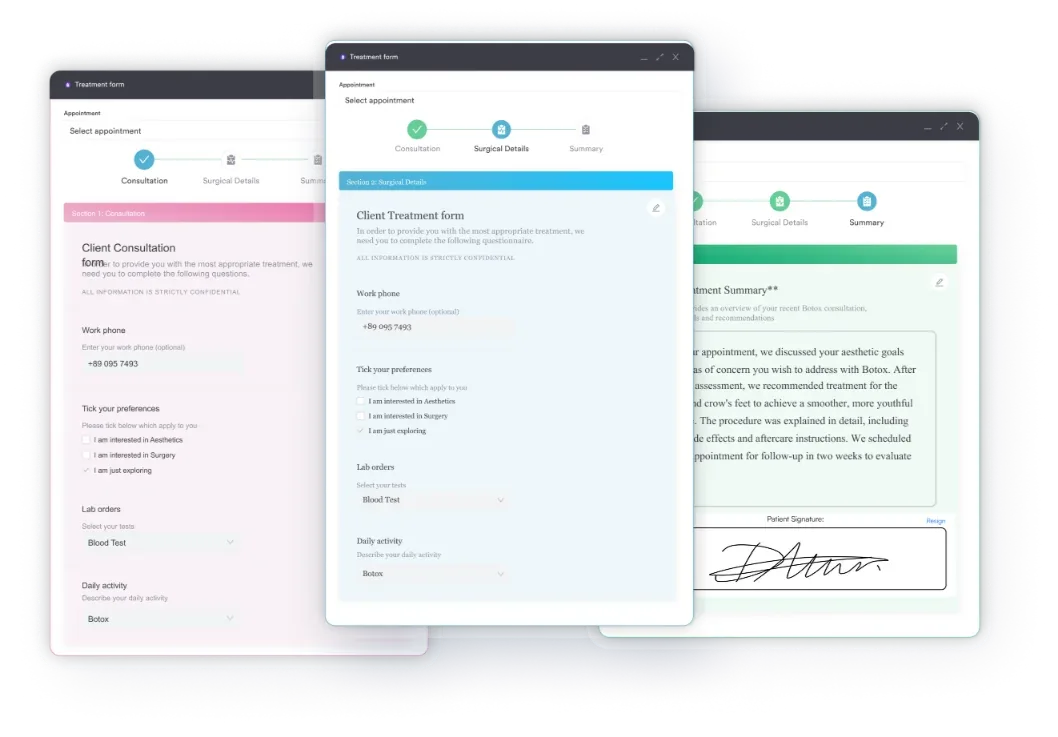
Practice management software like Pabau can automate intake collection, store consent electronically with e-signature, and link records to the patient’s surgical journey.
A ready-to-use intake and consent form covering patient details, contraindication screening, risk disclosures, consent declarations, and post-operative care instructions for cheekbone reduction (zygomatic reduction) surgery.
Download templateA well-designed patient intake form for cheekbone reduction surgery does more than collect basic information. It protects your practice from legal risk, ensures informed consent, documents pre-operative fitness, and establishes clear expectations for post-operative recovery.
This downloadable template gives practices and aesthetic surgeons the structure they need to streamline consultations and create a compliant record before the procedure.
Cheekbone reduction (zygomatic reduction or zygoma osteotomy) is a surgical procedure that reshapes the zygomatic arch, the bony prominence of the cheekbone, to create a narrower, more contoured facial profile.
The procedure is performed under general anesthesia by a trained plastic or maxillofacial surgeon at a plastic surgery practice.
An incision is made inside the mouth or below the cheekbone, the zygomatic bone is carefully fractured and repositioned, and the area is secured. The entire procedure typically takes 1-3 hours, depending on the complexity and whether additional facial contouring procedures (like chin reduction or buccal fat removal) are performed simultaneously.
Recovery involves 1-2 days in the hospital, followed by 2-4 weeks of significant swelling and bruising. Full healing and final aesthetic results typically emerge over 3-6 months.
Ideal candidates for zygoma reduction share specific characteristics that your intake form must screen for:
Contraindications include active smoking, severe bleeding disorders, immunocompromised status, or psychiatric conditions affecting consent capacity.
A comprehensive consultation form for cheekbone reduction surgery documents the clinical, legal, and logistical foundation for safe surgery. The template should include these core sections:
If you are new to digital tooling, start with what practice management software does before digitizing forms like this.
Most cheekbone reduction consultations follow the same shape. The patient completes the form before the appointment, digitally if your practice uses a system like Pabau, or on paper in the waiting room, and the surgeon reviews medical history and anesthesia risk factors first.
Next comes a frank conversation about aesthetic goals, using reference photos to set realistic expectations. Once risks and goals are on the same page, the consent section gets signed and witnessed, and reception books the pre-op appointment.
Common mistakes to avoid:
A couple of quick answers for your front desk:
The intake form should embed a pre-operative checklist that guides staff through the final preparations before surgery. This ensures nothing is overlooked and creates a documented record of compliance. Include:
Conditional logic in a digital form can flag incomplete sections automatically, so nothing reaches the surgeon’s desk half-finished.
A clear post-operative care section in your intake form sets recovery expectations and prevents complications. Structure this section with step-by-step guidance:
Red-flag symptoms requiring urgent contact include severe unrelenting pain, signs of infection (fever, pus, increasing redness), difficulty breathing, or numbness that persists beyond 6 weeks.
Not every patient is a surgical candidate, and some seek a less invasive approach. Your intake form should include a triage section guiding clinicians to recommend non-surgical alternatives when appropriate. A separate skin care consultation form can capture skin type and concerns when patients choose a non-surgical path.
This is also where med spas often pick up the patients a surgical practice refers onward.
If a patient’s goals, medical history, or preferences align with a non-surgical option, document this discussion in the intake form and provide written information about expected results, longevity, and cost, so they can make an informed decision before committing to surgery.
Comprehensive risk disclosure is both a clinical and legal requirement. Your intake form must list potential complications and confirm the patient has discussed them with the surgeon. Include these complication categories:
The consent section must include a statement that the patient has read and understood these risks, had the opportunity to ask questions, and voluntarily consents to the procedure knowing the potential complications.
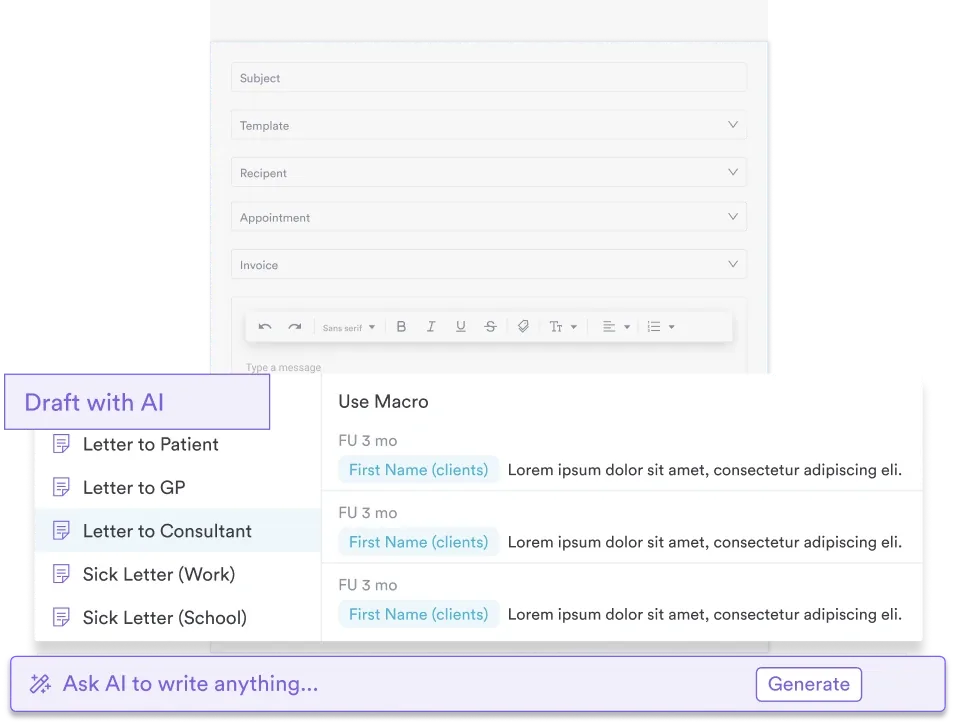
Pabau’s AI-powered clinical documentation can structure consent and post-op notes directly into the patient record, so nothing gets missed and every interaction stays documented.
Once downloaded. The template can be linked directly to the patient’s medical record, enabling staff to auto-fill known information and route the form to the correct surgeon for review and e-signature.
Set the form to trigger automatically when a cheekbone reduction consultation is scheduled, ensuring it is completed before the appointment. Enable conditional logic to show or hide sections based on patient responses.
For example, if a patient reports a history of bleeding disorders, flag the anesthesia section for additional review. Attach a link to downloadable pre-operative and post-operative care instructions as PDF attachments so patients can reference them at home.
For additional resources on surgical consent and patient safety, consult the American Society of Plastic Surgeons, the British Association of Aesthetic Plastic Surgeons (BAAPS), and the Royal College of Surgeons’ guidance on surgical standards.
A well-structured cheekbone reduction consultation and consent form protects both patient and practice. It documents informed decision-making, captures pre-operative fitness, and creates a clear legal record before a permanent procedure. Pairing this intake process with active plastic surgery marketing converts more consultations into booked procedures.
Download the template, adapt it to your practice’s protocols, and put it to work in a system built for this kind of documentation. Pabau keeps every signature, photo, and consultation note attached to one patient record, so nothing lives in a separate folder or a practitioner’s phone.
Book a demo to see how it fits your surgical consultation workflow.

Building consent forms for other facial surgeries? Rhinoplasty consent form uses the same pre-op screening and risk-disclosure structure for nose reshaping procedures.
Need a template for blepharoplasty consultations? Eyelid surgery consent form covers the consultation and consent steps for upper and lower eyelid surgery.
Want a broader consent template for surgical procedures? Cosmetic surgery consent form gives you a general-purpose starting point to adapt for any elective procedure.
Costs vary widely by surgeon, location, and complexity, so plan for a mid-to-high four-figure range. Always ask for a written quote that itemizes the surgeon’s fee, anesthesia, and facility charges.
Most swelling settles within two to three weeks. Subtle changes take several months to fully resolve. Still, many patients feel socially presentable after about two weeks.
Buccal fat removal slims the lower cheeks by taking out a fat pad. Cheekbone reduction repositions the zygomatic bone itself. In short, one softens fullness while the other reshapes the facial frame.
Usually not. Surgeons typically work through incisions inside the mouth, so external scarring stays hidden. When a small skin incision is needed, they place it discreetly near the hairline.
Rarely. Insurers treat it as cosmetic, so coverage usually applies only after trauma or a congenital condition. Either way, confirm with the patient’s insurer before booking.
Results are effectively permanent, because the procedure reshapes bone rather than soft tissue. Normal aging won’t reverse them. However, major weight change or a facial injury can still alter the look later.
Desk-based workers often return within one to two weeks, once visible bruising fades. Physically demanding roles usually need the full four to six weeks. So, factor recovery into scheduling before the operation.