

HCPCS code E0198: Water pressure pad billing guide
HCPCS code E0198 is a water pad for a standard mattress HCPCS code E0198 is the ...

Last Updated: Oct 13, 2026
E0161 is the HCPCS Level II code for sitz type bath or equipment, portable, used with or without commode, with faucet attachment/s.
Let Pabau's smart automation suggest the right codes, reduce claim denials, and keep your practice compliant—effortlessly.
Automate repetitive tasks and focus on what matters most—your patients.
Reduce coding errors and ensure compliance with the latest regulations.
Clean claims, fewer denials, and faster reimbursements.
Powerful insights and reporting to help your practice thrive.
HIPAA compliant SOC 2 certified GDPR-compliant Trusted by 4,000+ clinics worldwide

HCPCS Code E0161 describes a portable sitz type bath with faucet attachment(s), used with or without a commode, classified as Durable Medical Equipment (DME)
The faucet attachment is the critical differentiator: E0160 has no faucet, E0161 has a faucet, and E0162 includes a bag or bucket
Medicare reimburses E0161 under the DME fee schedule, and billing it requires a physician order and documented medical necessity
Pabau’s claims management software streamlines HCPCS code lookup, fee schedule updates, and DME claim submission for billing teams
HCPCS Code E0161 carries the following official descriptor as maintained by the Centers for Medicare and Medicaid Services (CMS):
E0161: Sitz type bath or equipment, portable, used with or without commode, with faucet attachment/s
This code sits within the HCPCS Level II E-code range (E0100 to E8002), the series CMS uses exclusively for Durable Medical Equipment. E-codes are billed by DME suppliers, not by physicians or hospitals, which affects both who can submit the claim and which claim form applies.
All three codes describe sitz bath equipment, and all three are portable DME items. The distinctions come down to one accessory: the faucet. Getting this wrong is the leading cause of E0161 denials. Review the comparison before selecting a code.
Verify the exact E0162 descriptor against the current CMS HCPCS Level II file before billing, as descriptions for adjacent codes can vary by source. The HCPCS Code E0161 descriptor is consistent across all active CMS materials and is confirmed active for 2026 per the AAPC code database.
Medicare reimburses E0161 under the DME fee schedule, administered through two regional DME Medicare Administrative Contractors (DME MACs). Noridian covers Jurisdictions A and D, and CGS covers Jurisdictions B and C. Rates can differ modestly by jurisdiction and are updated each calendar year.
The table below shows the general structure of DME fee schedule rates for E0161. Verify current dollar allowables against the CMS fee schedule tool before submitting claims, as third-party rate aggregators may lag the official annual update.
Sitz bath equipment falls into the “inexpensive and routinely purchased” category under Medicare DME rules. This typically means a lump-sum purchase rather than a monthly rental arrangement. Confirm the applicable payment basis with the relevant DME MAC before billing.
Always pull your fee schedule rates directly from the CMS DME fee schedule file for the current calendar year. Third-party aggregator sites can lag official CMS updates by several weeks after the January 1 effective date, which can result in billing at outdated allowables.
Medicare covers HCPCS Code E0161 as a DME benefit under Part B when medical necessity is established and documented. Coverage is not automatic: a qualifying diagnosis and a physician’s written order are prerequisite.
The DME supplier must also be accredited under 42 CFR 424.58 (Subpart D). Coverage is also subject to applicable Local Coverage Determinations (LCDs) issued by the patient’s DME MAC jurisdiction, so requirements can vary by region.
Common qualifying diagnoses for sitz bath equipment include post-surgical perineal wound care, hemorrhoidal disease, postpartum perineal trauma, and anal fissure. These conditions come up often in pelvic health and OB/GYN practices, since perineal wound care and postpartum recovery sit at the center of both specialties.
Document the specific ICD-10-CM diagnosis code for the patient’s condition when submitting the claim. Unrelated obstetric codes such as obstetric codes such as O87.9 follow a separate coding path entirely, so confirm the diagnosis matches a qualifying sitz bath indication.
Coverage determinations depend on individual patient circumstances and the applicable DME MAC LCD, so coverage is not universal.
Accurate billing for E0161 requires both the right code selection and a complete documentation trail. The practice management workflows that support DME claims differ from standard office-visit billing.
The claim originates from the supplier, not the prescribing physician, and the supplier is responsible for verifying both coverage and accreditation before dispensing.
Use the following checklist before submitting an E0161 claim to Medicare or a commercial payer. Handling medical intake forms correctly is where most billing problems begin or are prevented.
Suppliers collecting patient copays directly also need HIPAA-compliant payment processing in place before dispensing equipment.
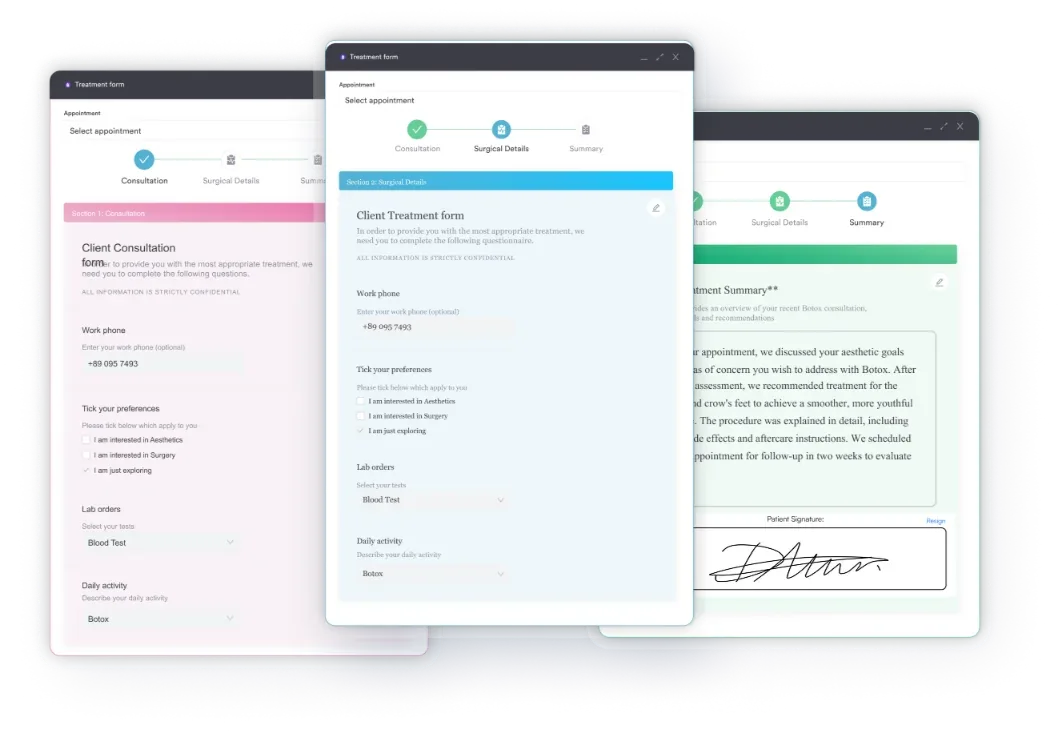
Medicare auditors reviewing E0161 claims look for a consistent paper trail linking the physician’s order to the dispensed item. Missing or inconsistent documentation is among the top reasons DME claims fail post-payment audit. Maintaining digital intake forms for each DME transaction creates a searchable, timestamped record that holds up to scrutiny.
Four errors account for the majority of E0161 claim denials. Reviewing the HIPAA compliance requirements that handle patient records alongside billing data also reduces audit exposure.
When researching the sitz bath code range, billers often encounter adjacent codes in the E01xx series. CPT billing codes follow a similar documentation workflow and are worth reviewing too. Suppliers managing multiple DME categories may also bill per-unit codes such as A4860, which carries its own quantity rules.
Always verify adjacent code descriptors against the current CMS HCPCS file. Descriptor language for E01xx codes has been revised in past annual updates. A code that read one way in a prior year may carry updated language that changes code selection logic.
DME billing has a documentation burden that routine office-visit billing does not. Every E0161 claim needs a cross-referenced physician order, a verified diagnosis code, and confirmed equipment specifications. Supplier accreditation proof must also be on hand before the claim leaves the building. Manual tracking of those dependencies across spreadsheets is where errors compound. A service billed to Australian Medicare needs the matching schedule item and the documentation the descriptor asks for.
Integrated claims management software reduces that friction by keeping the order, diagnosis, and documentation attached to the claim record from the start. When the fee schedule updates each January, the system reflects current rates without staff having to manually cross-check each code.
Billing teams managing practice management software features across multiple code types benefit most from one capability. The ability to flag incomplete documentation before submission is the difference between a clean claim and a denial cycle.
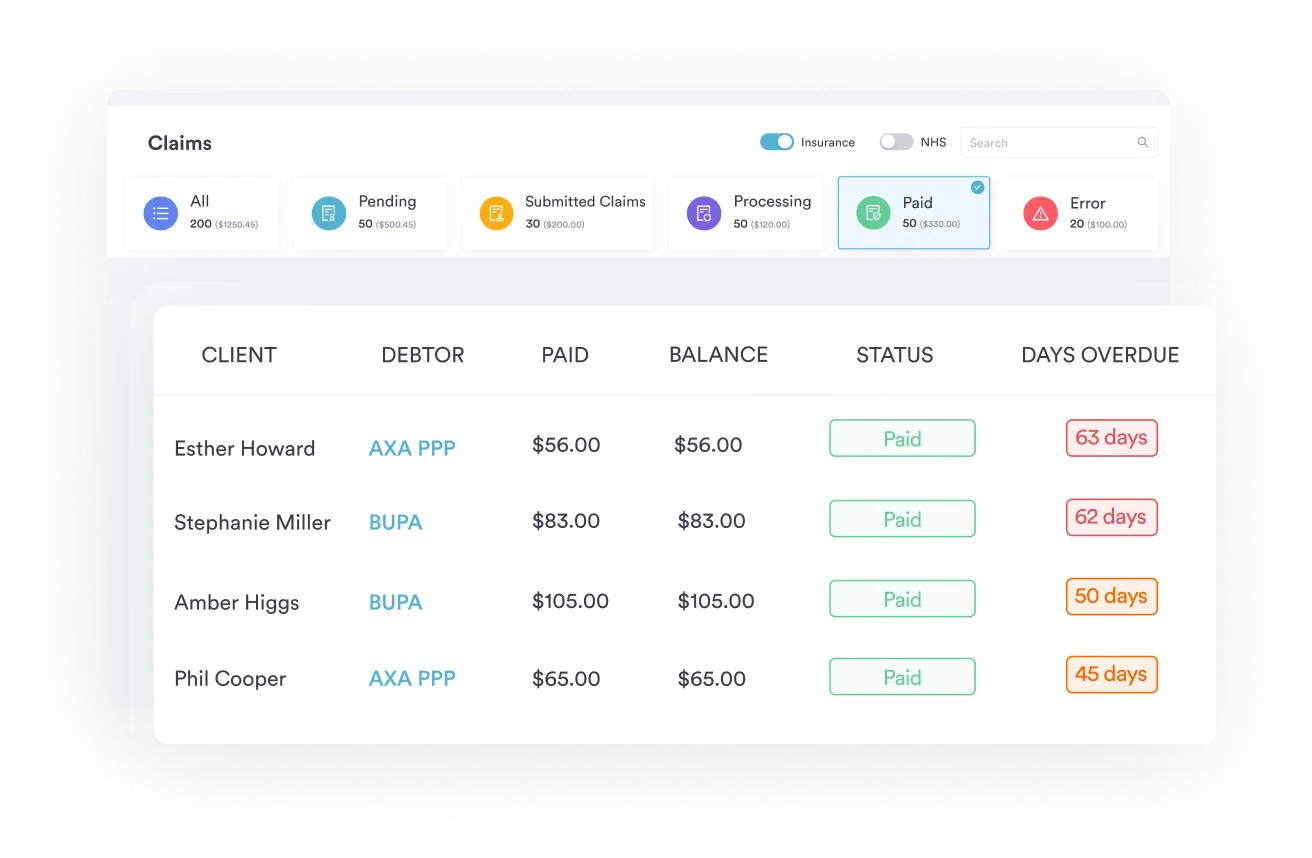
Pabau’s claims management tools support HCPCS code lookup, documentation attachment, and claim tracking in one place. For practices weighing a broader upgrade, medical practice management software comparisons can help identify where the biggest efficiency gains sit.
The NLM’s HCPCS API also provides free programmatic access to code descriptions, which some billing platforms use to keep code libraries current without manual entry.
EHR integration connects the clinical record directly to the billing module. That is the cleanest way to carry diagnosis codes forward without transcription errors.

Pabau’s claims management tools help DME suppliers and practice billing teams track code lookups, attach documentation, and submit accurate claims the first time.

Correct code selection is the single check that prevents most E0161 denials. Confirm the faucet attachment before choosing between E0160 and E0161, and record that detail explicitly in the delivery documentation.
Pair that code check with a valid physician order, the qualifying diagnosis code, and current supplier accreditation, and the claim should clear on first submission. Skip any one of those steps and the claim comes back, adding weeks to a process that should take days.
Book a demo to see how Pabau keeps HCPCS documentation, fee schedule updates, and claim tracking in one place for DME billing teams.

Need another E0xxx DME code for reference? HCPCS Code E0197 covers the billing rules for air pressure pads for mattresses.
Billing removal of impacted earwax? CPT code 69210 covers the payer-specific rules that decide whether an impacted cerumen removal claim pays.
Billing a lung cancer screening scan? CPT code 71271 covers the eligibility documentation Medicare requires before a lung cancer screening claim pays.
HCPCS Code E0161 is the billing code for a portable sitz type bath or equipment used with or without a commode. It is fitted with a faucet attachment and classified as Durable Medical Equipment (DME) under HCPCS Level II. Accredited DME suppliers use it to bill Medicare and other payers. A physician must prescribe it for a qualifying condition, such as perineal wound care or hemorrhoidal disease.
E0160 covers a portable sitz bath with no faucet attachment. E0161 covers the same equipment with a faucet attachment. E0162 describes a sitz bath chair design instead. The faucet attachment is the sole distinction between E0160 and E0161. Equipment documentation must explicitly confirm whether a faucet is included before selecting the code.
Yes, Medicare covers E0161 under Part B as a DME benefit when medical necessity is documented. Coverage also requires a valid physician order on file and current Medicare accreditation for the supplier. Coverage is subject to applicable Local Coverage Determinations from the patient’s DME MAC jurisdiction and is not guaranteed for every patient or diagnosis.
Required documentation includes a signed physician order dated before dispensing, ICD-10-CM diagnosis code(s) supporting medical necessity, and a delivery confirmation record noting the faucet attachment. The supplier also needs proof of patient Medicare eligibility and a current accreditation certificate for the applicable DME product category.
Sitz bath equipment generally falls within Medicare’s “inexpensive routinely purchased items” category. This means it is typically reimbursed as a lump-sum purchase rather than a monthly rental. Confirm the applicable payment basis with the relevant DME MAC before billing, as individual payer policies can vary.
Yes, a written physician order (or a verbal order followed promptly by a written one) is required for all Medicare DME claims, including E0161. The order must be in the supplier’s file before the equipment is dispensed. Billing without a valid order is a recoverable overpayment under Recovery Audit Contractor (RAC) review guidelines.



