HCPCS code T2043: Hospice continuous home care billing guide
HCPCS code T2043 pays for hospice crisis care by the hour HCPCS code T2043 is th...

Last Updated: Oct 7, 2026
C1750 is the HCPCS Level II code for catheter, hemodialysis/peritoneal, long-term.
The official CMS descriptor for HCPCS code C1750 is: Catheter, hemodialysis/peritoneal, long-term. It is an HCPCS Level II C-code. The Centers for Medicare and Medicaid Services (CMS) maintains that category for device and supply costs in hospital outpatient departments.
Those costs are paid under the Outpatient Prospective Payment System (OPPS). C-codes are not valid in physician offices, inpatient units, or ambulatory surgical centers outside specific carve-outs.
The "long-term" qualifier in the descriptor is clinically significant. It separates C1750 from temporary catheters placed for acute dialysis access.
Long-term hemodialysis catheters are typically tunneled and cuffed. They are built for weeks to months of use, when arteriovenous fistula or graft access is not yet available. Long-term peritoneal catheters, most commonly Tenckhoff catheters, are surgically placed for ongoing peritoneal dialysis.
Let Pabau's smart automation suggest the right codes, reduce claim denials, and keep your practice compliant—effortlessly.
Automate repetitive tasks and focus on what matters most—your patients.
Reduce coding errors and ensure compliance with the latest regulations.
Clean claims, fewer denials, and faster reimbursements.
Powerful insights and reporting to help your practice thrive.
HIPAA compliant SOC 2 certified GDPR-compliant Trusted by 4,000+ clinics worldwide

HCPCS code C1750 describes a long-term hemodialysis or peritoneal catheter, reported only in hospital outpatient settings under CMS OPPS.
CMS assigns C1750 to an Ambulatory Payment Classification (APC) group. The 2026 rate comes from that year’s OPPS final rule.
Every claim needs a linked ICD-10 diagnosis, usually N18.6 for ESRD or a CKD stage code. Only the hospital outpatient facility can file it.
Practice management software like Pabau submits, tracks, and reconciles insurance claims for private practices that bill payers directly.
The table below summarizes the key attributes of C1750 as currently maintained by CMS. Verify the APC assignment and status against the current CMS OPPS Addendum B at the start of each fiscal year. APC group numbers and payment indicators shift with the annual OPPS final rule.
C1750 covers two distinct catheter types, united by their long-term design intent. Which device was implanted matters for accurate claim construction, because peritoneal and hemodialysis catheters differ in surgical approach and associated procedure codes.
The long-term designation separates C1750 from non-tunneled temporary hemodialysis catheters. Those are placed for acute or short-duration access and reported under different codes. Confusing the two routinely generates mismatch denials, because the diagnoses, procedure codes, and APC groupings all differ.
The catheter is rarely the only device line on a dialysis claim. Disposable catheter tips for peritoneal dialysis, for example, carry their own code.
C1750 Medicare reimbursement is set by CMS under OPPS. Each year, the OPPS final rule fixes APC payment rates, packaging status, and pricing indicators for every active C-code. Verify the 2026 rate against the OPPS quarterly addenda and Addendum B before filing.
Rates vary by APC assignment and can change mid-year under a correction notice. The concepts below decide what a C1750 line actually pays.
Build a rate verification step into your annual coding workflow. Cross-reference the current OPPS Addendum B each January, before claims go out under the new year’s rates.
Miscellaneous codes are easy to mishandle, and medical practice management software keeps their documentation attached and auditable.
Every C1750 claim must carry at least one ICD-10 diagnosis code that establishes medical necessity. Payers look for a diagnosis that directly supports the need for a long-term dialysis catheter. A claim with no linked, covered diagnosis is denied.
Verify covered diagnoses against the Local Coverage Determination (LCD) or National Coverage Determination (NCD) for your Medicare Administrative Contractor (MAC). Covered lists vary by region and payer. A commercial contract may run narrower or broader than Medicare’s.
C1750 is an OPPS-only code. Only hospital outpatient departments with a Medicare provider agreement to bill under OPPS are eligible filers.
Physician offices, freestanding dialysis facilities, and inpatient units cannot use the code. Neither can ambulatory surgical centers, unless a specific carve-out applies. Submitting C1750 from a non-eligible place of service generates an automatic denial.
Five rules govern every C1750 claim line.
Documentation is where most C1750 claims are won or lost. Structured digital medical forms for catheter placement encounters capture the operative note, catheter type, and diagnosis. All of it lands before the claim enters the queue.
Those records also have to survive an audit years later. Consumable dialysis supplies sit outside the device code as well.
Run a monthly audit of C1750 claims by pulling every line where the place of service is not 22. A single POS mismatch on a high-cost device claim can trigger a payer audit. Flag any C1750 line submitted with POS 11 or 24 for immediate correction, before the payer finds it first.
Modifiers are not required on every C1750 line. Certain clinical scenarios and payer policies do call for one. Using the wrong modifier, or omitting a required one, leads to denials or downcoding. A modifier-selection checkpoint in your practice management software catches both before submission.
Always verify modifier requirements against your MAC’s billing guidelines and the specific commercial payer contract. Modifier rules for C-codes are not uniform across payers.
C1750 denials follow a predictable pattern. Most trace back to five root causes: place of service, diagnosis linkage, unit count, device selection, and a missing procedure code. Each one has a specific fix.
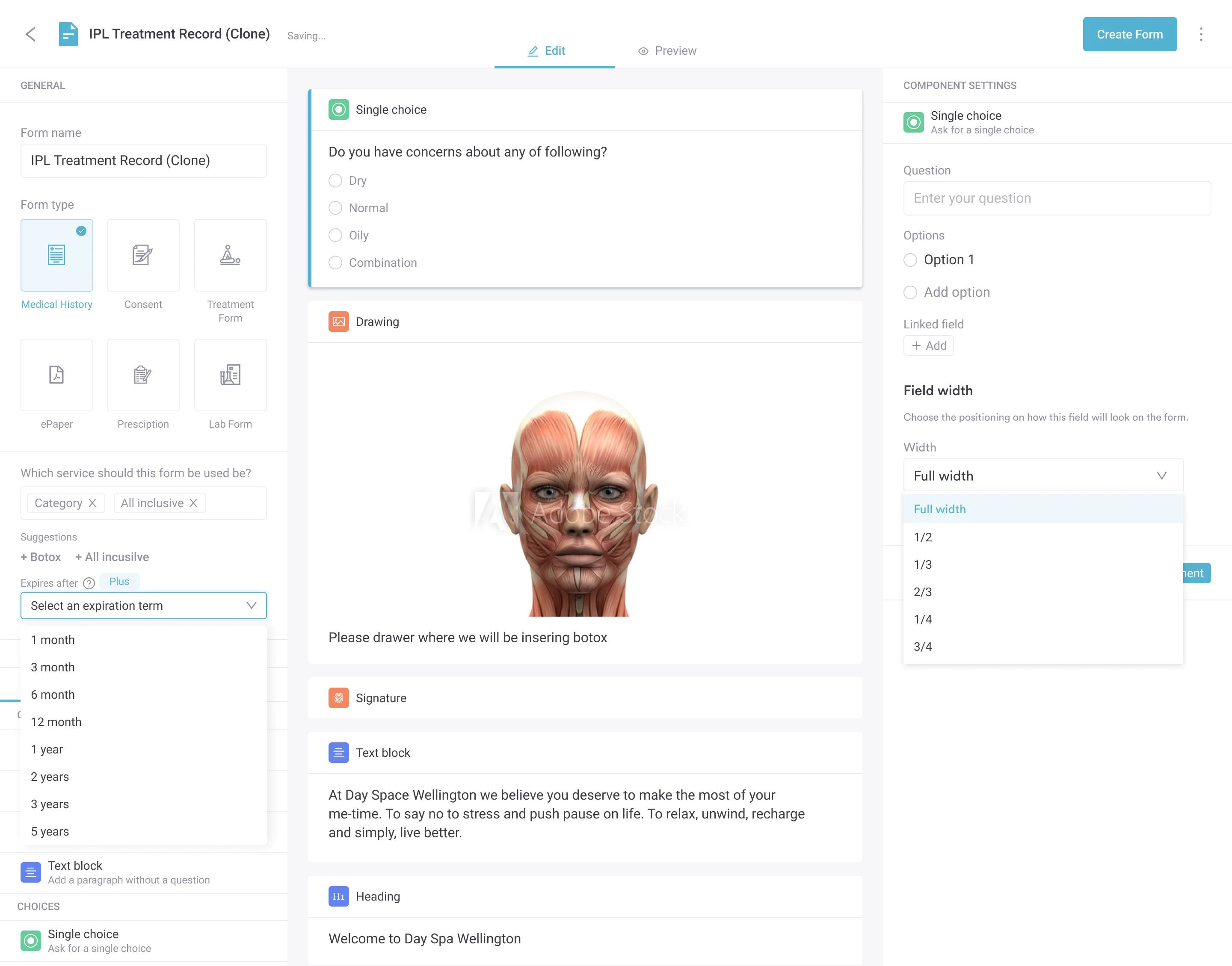
Pre-submission edits are the cheapest place to catch all five. Well-designed digital intake forms for catheter placement encounters standardize the documentation that supports medical necessity on every claim.
Build a C1750 pre-submission checklist into your claims workflow. Confirm POS 22, a linked covered diagnosis, and units that match the catheters placed. Then check that the CPT insertion code sits on the same claim, with a laterality modifier where laterality is documented. Five seconds to check. Weeks saved on appeals.
C1750 sits in a catheter code range spanning C1750 through C1759. Each code in the range describes a distinct catheter type, and picking the wrong one is a common miscoding pattern. Other OPPS device codes such as C1749 and C1876 demand the same descriptor check before assignment.
Use the AAPC HCPCS lookup to confirm the full descriptor for any adjacent code. Pabau’s procedure code library covers the wider HCPCS and CPT families.
C1750 and C1751 are the most commonly confused adjacent codes, and the distinction is both clinical and procedural. C1750 describes a catheter placed for hemodialysis or peritoneal dialysis on a long-term basis.
infusion catheter describes an infusion catheter placed for drug or fluid delivery. That covers peripherally inserted, centrally placed, and midline catheters, but explicitly not hemodialysis.
Assigning C1751 for a dialysis catheter, or C1750 for a line placed to run antibiotics, creates a descriptor mismatch that will not survive payer audit. The operative note settles it, because it records the catheter’s intended purpose and design.
Setting decides as much as the descriptor does.
Hospital outpatient billing runs on a facility system, but the habits behind a clean C1750 line travel. Most private practices still log submitted claims in a spreadsheet and chase remittances through a payer portal. Nothing tells the biller which claim is stuck.
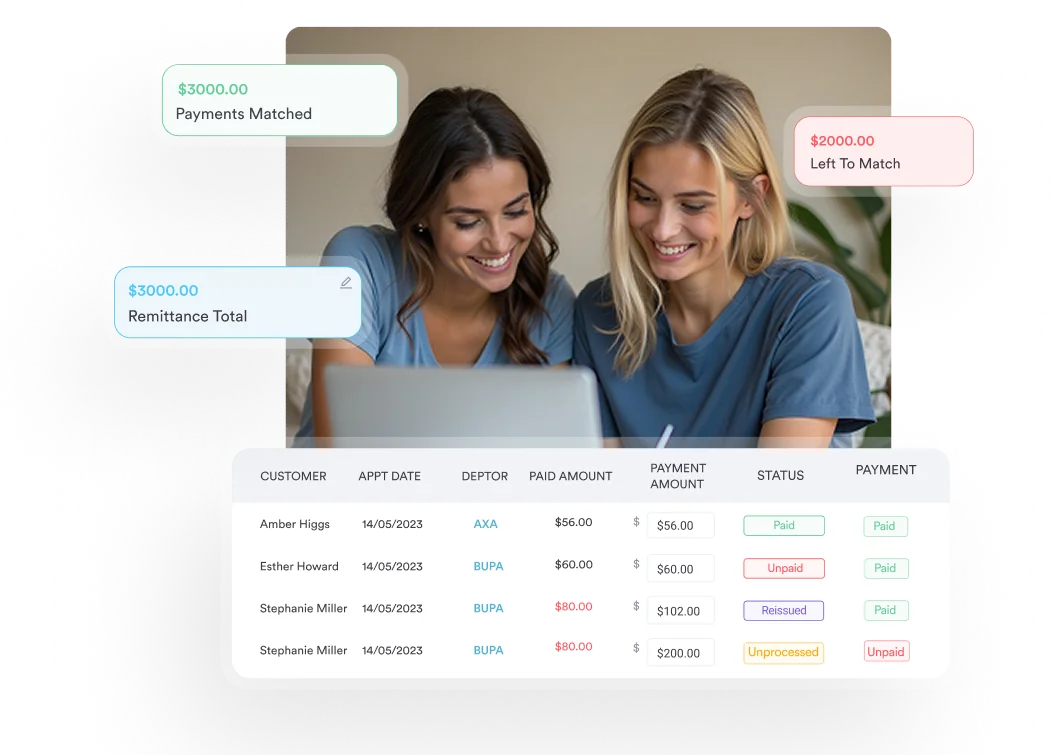
Practice management software like Pabau holds all of it in one place. Its claims management software submits the claim, tracks its status, and reconciles the remittance against what was billed. Every step sits beside the patient record and the treatment note behind it.
The payoff is fewer surprises at month end, because an unpaid line surfaces in days rather than at reconciliation. The Esteem Life Medical Group case study shows what that consolidation looks like across a medical group. Practices offering infusion or IV therapy services carry the same documentation burden on every claim. An eligibility check at booking and again at arrival catches mid-month plan changes. Denial codes in medical billing group the reasons a payer refuses, and the group decides the fix.

Pabau’s claims management software submits insurance claims, tracks their status, and reconciles remittances for private practices. Your billers can see what is paid, what is outstanding, and what needs resubmitting.

Most C1750 denials are preventable. The code is simple in concept and fails at the claim level, where place of service, diagnosis linkage, unit count, or device selection goes wrong.
What stops those denials is a checklist that runs before submission, backed by documentation captured at the point of care. Verify the APC assignment and packaging status every January, because last year’s rate will not pay this year’s claim.
If your practice bills payers directly rather than under OPPS, the same discipline applies to every claim you file. Book a demo to see how Pabau submits, tracks, and reconciles insurance claims for private practices.

Billing another OPPS device code? C1886 walks through the same Addendum B verification routine for an ablation catheter.
Setting up a home hemodialysis patient? A4870 explains how Medicare treats the plumbing and electrical work involved.
Billing dialysis consumables as well as devices? A4750 covers blood tubing for hemodialysis and how to report it.
Reporting dialysis test strips? A4774 sets out the per-50 unit rule and the documentation behind it.
Seeing denials on other tubing supplies? B4082 shows how to keep nasogastric tubing claims clean.
C1750 reports the device cost of a long-term hemodialysis or peritoneal dialysis catheter in a hospital outpatient setting. It covers tunneled hemodialysis catheters and surgically placed peritoneal catheters used for ongoing renal replacement therapy in patients with ESRD or advanced CKD.
Yes. Medicare covers C1750 for eligible hospital outpatient facilities billing under OPPS. The claim needs a covered ICD-10 diagnosis, usually N18.6 for ESRD, and supporting documentation. The device cost is paid through the APC system, so confirm packaging status annually in CMS OPPS Addendum B.
The primary codes are N18.6 for end-stage renal disease, N18.5 for CKD stage 5, and N18.4 for CKD stage 4. Z99.2 confirms dialysis dependence, and Z49.01 or Z49.02 cover catheter adjustment encounters. Always verify against your MAC’s LCD for the current covered list.
C1750 describes a long-term hemodialysis or peritoneal dialysis catheter. C1751 describes an infusion catheter for drug or fluid delivery, whether peripherally inserted, centrally placed, or midline, but never for hemodialysis. Confusing the two creates a descriptor mismatch that fails payer audit. The operative note determines the correct code.
C1750 can only be reported by hospital outpatient departments billing under CMS OPPS, with place-of-service code 22. It is not valid in physician offices, freestanding dialysis facilities, inpatient settings, or ambulatory surgical centers outside specific carve-outs.
Required documentation starts with the operative or procedure note. It must specify catheter type, placement site, and the proceduralist’s name. The record also needs the confirmed ESRD or advanced CKD diagnosis, plus any advance beneficiary notice issued when coverage is uncertain. Units should equal the number of catheters placed, not dialysis sessions.