

HCPCS code E0198: Water pressure pad billing guide
HCPCS code E0198 is a water pad for a standard mattress HCPCS code E0198 is the ...

Last Updated: Oct 13, 2026
A7031 is the HCPCS Level II code for face mask interface, replacement for full face mask, each.
Let Pabau's smart automation suggest the right codes, reduce claim denials, and keep your practice compliant—effortlessly.
Automate repetitive tasks and focus on what matters most—your patients.
Reduce coding errors and ensure compliance with the latest regulations.
Clean claims, fewer denials, and faster reimbursements.
Powerful insights and reporting to help your practice thrive.
HIPAA compliant SOC 2 certified GDPR-compliant Trusted by 4,000+ clinics worldwide

HCPCS Code A7031 describes a face mask interface, replacement for full face mask, billed per each unit for PAP therapy patients
A7031 covers the replacement interface or cushion for a full face mask, while A7030 covers the complete mask assembly – confusing these two codes is the most common billing error for DME suppliers
Medicare Part B covers A7031 for qualifying diagnoses such as obstructive sleep apnea, subject to defined replacement frequency limits and medical necessity documentation
Practice management software like Pabau helps DMEPOS suppliers document A7031 replacements accurately, flag replacement frequency limits, and keep an audit-ready record trail
HCPCS Code A7031 is a Level II HCPCS code maintained by the Centers for Medicare and Medicaid Services (CMS) that describes a face mask interface, replacement for full face mask, each. It sits within the Durable Medical Equipment, Prosthetics, Orthotics, and Supplies (DMEPOS) category, and DME suppliers use it to bill for PAP therapy accessory replacements.
The “interface” in the code descriptor is the replaceable cushion or pad that seals against the face, sold as a standalone part. It is distinct from A7030, which covers the complete full face mask assembly with its own interface already included. That distinction matters for billing accuracy, and the related codes section below explores it in detail.
A7031 is billed per each unit. Quantity matters: if a patient receives one replacement interface, you bill one unit of A7031. Suppliers must confirm the quantity against the physician order before submitting.
The quick-reference table below summarizes the key attributes of HCPCS Code A7031 as maintained by CMS. Use this as a billing reference, not as a substitute for verifying against the current CMS DMEPOS Master List before submission.
A7031 applies when a patient using a full face mask with their PAP device needs a replacement interface. The interface is the soft cushion or pad that presses against the skin, not the complete mask assembly. Suppliers bill this code in the following scenarios:
Full face masks are typically prescribed when nasal-only masks are not tolerated, when patients breathe through their mouths during sleep, or when a higher-pressure CPAP or BiPAP setting is required. Billing A7031 for a nasal mask interface is a coding error. Different A-series codes cover nasal mask interfaces.
Maintaining accurate. A supplier who cannot show that the replacement was medically necessary and within the frequency window will face denial or recoupment.
Supply billing leaks revenue quietly, and medical practice management software catches unbilled items before they’re written off.
The A7030 to A7035 code range covers PAP mask components. The distinction between these codes is precise, and confusing them is the most common reason DMEPOS suppliers receive claim denials on mask accessories. The table below clarifies each code’s scope.
The most commonly confused pairing is A7030 vs A7031. A7030 is the complete mask assembly billed when a patient receives a new full face mask unit. A7031 is the replacement interface or cushion billed when only that component needs replacing. Billing A7030 when the supplier is only providing an interface replacement inflates the claim and will trigger a review.
A second common error is billing A7031 when the patient uses a nasal mask rather than a full face mask. Nasal mask accessories fall under A7032, A7033, or A7034 depending on the component. Coding based on the mask style documented in the physician order prevents this error.
Medicare Part B covers HCPCS Code A7031 for beneficiaries diagnosed with obstructive sleep apnea (OSA) or another qualifying condition that meets PAP therapy coverage criteria. Coverage requires that the PAP device itself is already covered and in active use by the patient.
CMS defines replacement frequency limits for PAP mask components under its Local Coverage Determination (LCD) for positive airway pressure devices. For the full face mask interface (A7031), Medicare’s standard replacement allowance is generally once per month, per the DME MAC’s PAP Policy Article (A52467).
This differs from the once-per-three-months allowance for the complete A7030 mask, so verify the current figure against LCD L33718 and Policy Article A52467 before billing. Billing beyond the allowed frequency requires documentation that the replacement is medically necessary due to damage, size change, or loss.
Reimbursement rates for A7031 vary by geographic locality. Medicare prices DMEPOS supplies through the DME MAC fee schedule, not the physician fee schedule, and adjusts allowable amounts based on the geographic practice cost index.
Suppliers in Competitive Bidding Areas (CBAs) may receive rates different from those in non-CBA areas, since the DMEPOS Competitive Bidding Program sets rates for winning suppliers in designated metro areas. Use the CMS DMEPOS fee schedule to verify the current allowable amount for your specific locality and DME MAC jurisdiction before billing.
Check your locality’s fee schedule before each claim batch. DMEPOS allowable amounts differ between competitive bidding areas and non-CBA areas, and rates can shift between calendar years. Billing the non-CBA rate in a CBA will result in overpayment recoupment during a post-payment audit.
Commercial payers and Medicaid programs may cover A7031 under similar criteria, but replacement frequency limits and documentation requirements vary by plan. Always check payer-specific policy before assuming Medicare rules apply.
Suppliers must be enrolled as DMEPOS suppliers with Medicare to bill A7031. Enrollment requirements, including accreditation and surety bond obligations, fall under CMS management. The CGS Medicare coding verification guidance provides additional context on PDAC coding verification for DMEPOS products, which some suppliers use to confirm correct code assignment before submitting high-volume claims.
Insufficient documentation is the leading cause of A7031 claim denial and post-payment audit recoupment. Every replacement claim needs a clear paper trail connecting the patient’s diagnosis, the physician’s order, and the specific replacement event.
Required documentation includes:
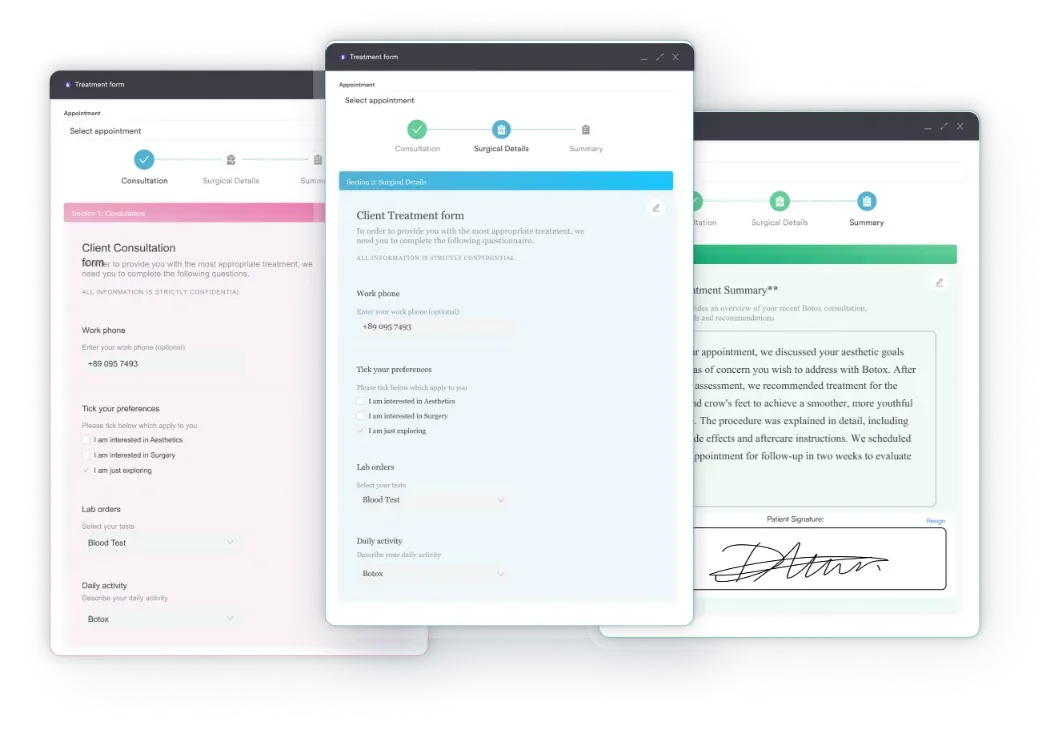
Using digital intake forms that capture this information at the point of service reduces the risk of missing documentation at claim time. Structured digital medical forms for healthcare practices also create an auditable electronic record that is easier to retrieve during a Medicare audit than paper files.
The AAPC HCPCS code reference provides additional coding guidance on the A7030 to A7035 range, including payer policy notes and billing tips that complement CMS LCD requirements.
Robust compliance management software helps teams track documentation completeness before submission, rather than finding missing items during an audit. Pair this with a HIPAA compliance checklist to confirm that all patient record handling meets federal standards throughout the replacement and billing workflow.

Practice management software like Pabau helps DMEPOS suppliers and healthcare practices capture accurate HCPCS codes and build an audit-ready documentation trail for every replacement.

DMEPOS billing involves high claim volumes with narrow documentation windows and payer-specific frequency rules. Errors compound quickly when suppliers manage replacement schedules manually or across disconnected systems. Practice management software like Pabau uses structured digital forms to capture intake, consent, and replacement documentation, so coding errors get caught before a claim is submitted.
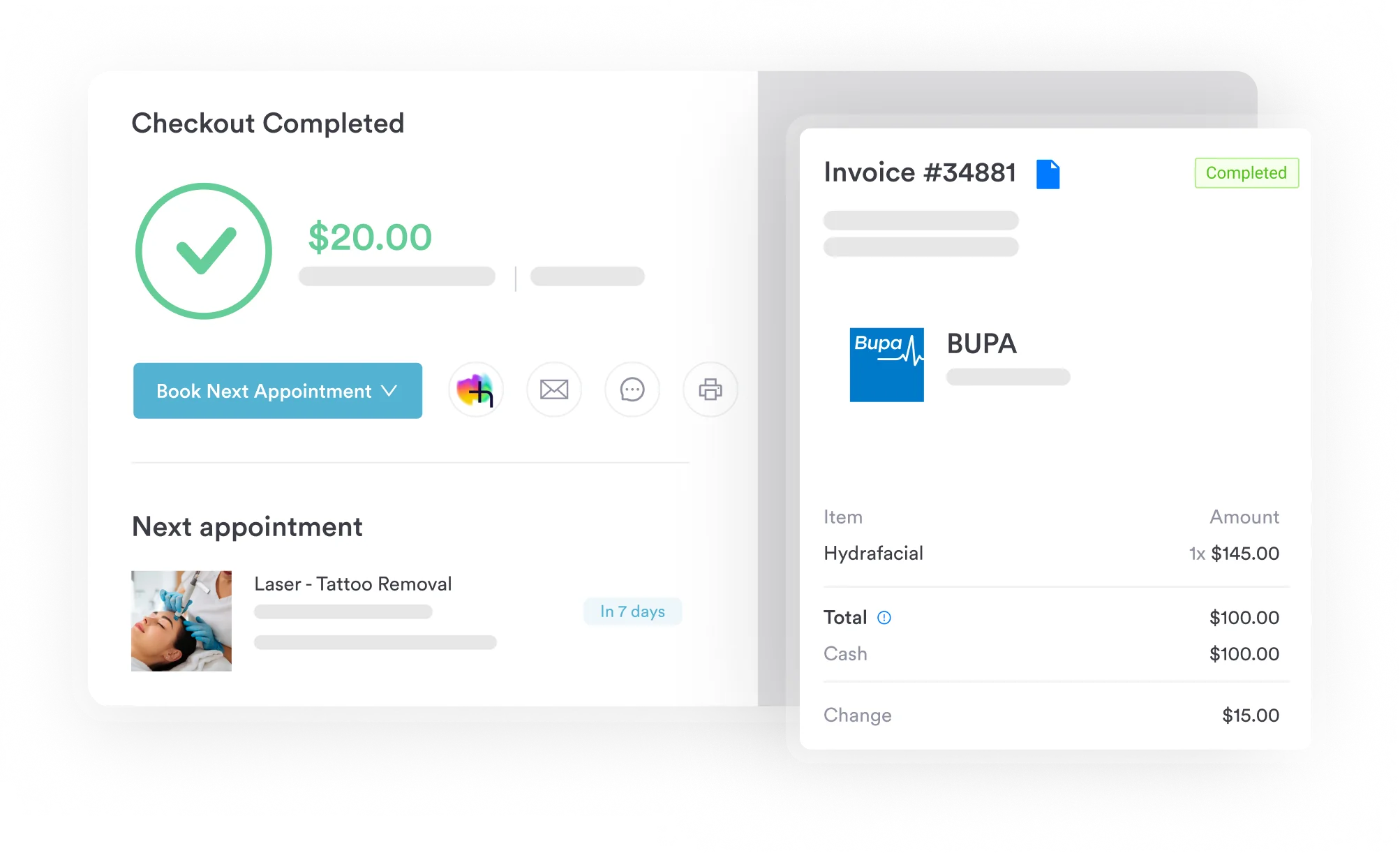
Pabau supports HCPCS code workflows in several ways:
Practices managing multiple DMEPOS patients benefit from simplifying practice management through software that connects scheduling, documentation, and billing into one workflow. This applies whether the referring practice runs GP software managing the original OSA diagnosis or a physical therapy EMR tracking ongoing PAP compliance.
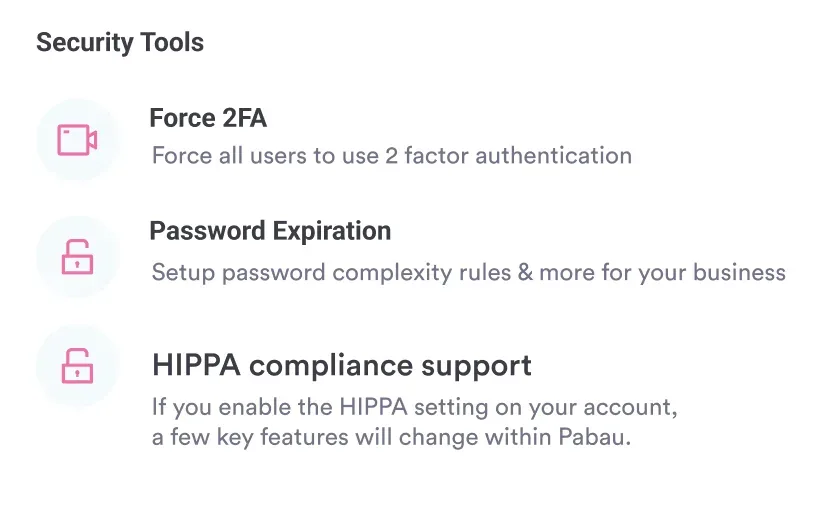
Good patient data security tools are also critical in this context. PAP therapy records contain sensitive sleep study and diagnostic data that must be protected under HIPAA. Pabau’s platform is designed with practice management security standards that support HIPAA compliance across all patient interactions.
A few operational practices make A7031 billing significantly cleaner across a high-volume DMEPOS workflow.
Billing teams handling a mix of full face and nasal mask patients benefit from a structured code selection protocol. A simple reference sheet for A7030 to A7035 posted at the billing workstation reduces selection errors significantly.
Using structured templates in practice management software to capture consistent documentation takes this further by embedding the protocol into the workflow rather than relying on individual recall.
Run a quarterly audit of A7031 claims against patient delivery records. Compare the claim date for each unit billed against the patient’s replacement history. Any claim falling inside the frequency window without a documented exception is a recoupment risk before a Medicare audit finds it.
Accurate billing for HCPCS Code A7031 depends on knowing exactly what the code covers: the replacement interface or cushion for a full face mask, not the complete mask assembly (A7030) and not a nasal interface (A7032-A7034). Getting that distinction right at the point of documentation prevents the majority of denials DMEPOS suppliers encounter on PAP accessory claims.
Practice management software like Pabau helps practices capture HCPCS codes accurately, maintain the documentation trail for diagnosis, physician order, and replacement justification, and track replacement frequency windows so nothing is missed at the point of care. To see how it works in a DMEPOS context, book a demo with the team.

Billing another DME accessory code? E0482 covers billing and reimbursement rules for cough stimulating devices.
Coding a single-chamber defibrillator supply? C1722 walks through billing and reimbursement for that code.
Need the diagnosis side of a PAP-adjacent claim? M35.3 covers billing for polymyalgia rheumatica.
HCPCS Code A7031 is a Level II code used to bill for a replacement interface (cushion) for a full face mask used with PAP devices (CPAP, BiPAP). Billed per each, it is submitted by DMEPOS suppliers to Medicare, Medicaid, and commercial payers.
A7030 covers the complete full face mask assembly; A7031 covers only the replacement interface or cushion. Use A7030 for a new complete mask, A7031 when only the interface or cushion needs replacing.
Yes. Medicare Part B covers A7031 for beneficiaries with a qualifying diagnosis such as obstructive sleep apnea who actively use a full face mask PAP device. Coverage is subject to frequency limits and medical necessity documentation under the applicable Local Coverage Determination.
Medicare’s standard replacement allowance for A7031 is generally once per month. Billing beyond that requires documentation of medical necessity, such as damage, a refit, or loss. Always verify against the current DME MAC LCD L33718 and Policy Article A52467 before submission.
Required documentation includes a qualifying diagnosis, a physician order specifying a full face mask PAP setup, proof of delivery, a written reason for replacement, and evidence of active PAP use. Missing any element is grounds for denial on pre-payment or post-payment review.
The primary PAP supply codes are: A7030 (full face mask, complete), A7031 (full face mask interface/cushion), A7032 (nasal mask cushion), A7033 (nasal cannula pillow, per pair), A7034 (nasal interface, mask/cannula), and A7035 (headgear). Select by the component supplied and the mask type documented.



