

CCSD code G5100: Bypass of duodenum billing guide
CCSD code G5100 bills a bypass that leaves the duodenum in place CCSD code G5100...

Last Updated: Oct 16, 2026
A6242 is the HCPCS Level II code for hydrogel dressing, wound cover, sterile, pad size 16 sq. in. or less, without adhesive border, each dressing.
Misassigning A6242 to the wrong pad size or border type is one of the most common billing errors in wound care.
Let Pabau's smart automation suggest the right codes, reduce claim denials, and keep your practice compliant—effortlessly.
Automate repetitive tasks and focus on what matters most—your patients.
Reduce coding errors and ensure compliance with the latest regulations.
Clean claims, fewer denials, and faster reimbursements.
Powerful insights and reporting to help your practice thrive.
HIPAA compliant SOC 2 certified GDPR-compliant Trusted by 4,000+ clinics worldwide

HCPCS Code A6242 covers hydrogel dressings, wound cover, sterile, pad size 16 sq in or less, without adhesive border, billed per dressing
A6242 is a Medicare Part B DME supply billed to DME MACs under LCD L33831 and Policy Article A54563
Documentation must include a physician order, wound size measurement, wound type, and medical necessity justification before billing
Practice management software like Pabau helps wound care practices organize HCPCS documentation and billing records in one place
HCPCS Code A6242 is a Level II HCPCS supply code maintained by the Centers for Medicare and Medicaid Services, CMS. It identifies a specific type of hydrogel wound dressing and is part of the surgical dressings supply category billed under Medicare Part B DME coverage.
The official long description is: Hydrogel dressing, wound cover, sterile, pad size 16 sq in or less, without adhesive border, each dressing. The short description used in billing systems is: Hydrogel drg <=16 in w/o bdr.
A6242 is billed per individual dressing used, not per wound visit. This per-unit billing structure means the quantity submitted on a claim should reflect the number of dressings actually dispensed to the patient.
Medicare Part B covers A6242 as a DME surgical dressing supply when it is medically necessary. It applies to wounds resulting from a surgical procedure or an injury. Coverage is governed by LCD L33831 (Surgical Dressings) and Policy Article A54563, both maintained by CMS. These documents define which wound types qualify and what documentation must support a claim.
Maintaining solid patient care management workflows before billing starts is what keeps A6242 claims clean. Coverage is not automatic. A physician or qualified clinician must document medical necessity, and the dressing type must match the wound’s clinical needs.
Under LCD L33831, hydrogel dressings are generally covered for wounds that are moderately to heavily exudating. Coverage also extends to wounds needing a moist healing environment or moisture donation to dry tissue. Coverage typically applies to wound types such as:
Note that coverage requires physician-documented medical necessity for the specific patient. No wound type listed above is automatically covered. A claim without supporting documentation risks denial. Practices managing pressure injuries alongside hydrogel dressings often bill A4640 too.
Each A6242 claim requires a supporting ICD-10 diagnosis code that reflects the patient’s diagnosed condition. Common ICD-10 codes paired with A6242 include the following:
ICD-10 codes must reflect the patient’s documented diagnosis. Never select a code simply to satisfy coverage criteria if it does not match the patient’s condition. Doing so creates fraud risk and audit exposure. For burn wounds, a more specific total-body-surface-area code such as T31.11 or T31.52 supports the claim better than the unspecified T30.x fallback listed above.
Medicare reimbursement for HCPCS Code A6242 is set through the DME fee schedule, which CMS updates annually. Rates vary by geographic region and are adjusted by the DME MAC serving the beneficiary’s jurisdiction.
Because A6242 rates change annually, verify the current allowable amount through the CMS Physician Fee Schedule lookup or your regional DME MAC pricer before billing. Publishing a fixed dollar figure here would risk citing an outdated rate.
Key reimbursement principles for A6242:
For the most current A6242 allowable by MAC jurisdiction, use the AAPC Codify HCPCS code lookup or your DME MAC’s online fee schedule tool.
Verify A6242 reimbursement rates each January when CMS releases the new DME fee schedule. Even a small rate change multiplied across high-volume wound care dispensing adds up quickly. Bookmark your regional DME MAC’s fee schedule page and run a rate check at the start of each billing year.
The best medical practice management systems tie supply usage to invoices, so dressing changes stop being free.
CMS Policy Article A54563 sets out the documentation that must support every A6242 claim. Missing or incomplete records are the leading cause of medical necessity denials for surgical dressing codes. Using digital intake and treatment forms that capture wound measurements and physician orders at the point of care prevents the most common documentation shortfall.
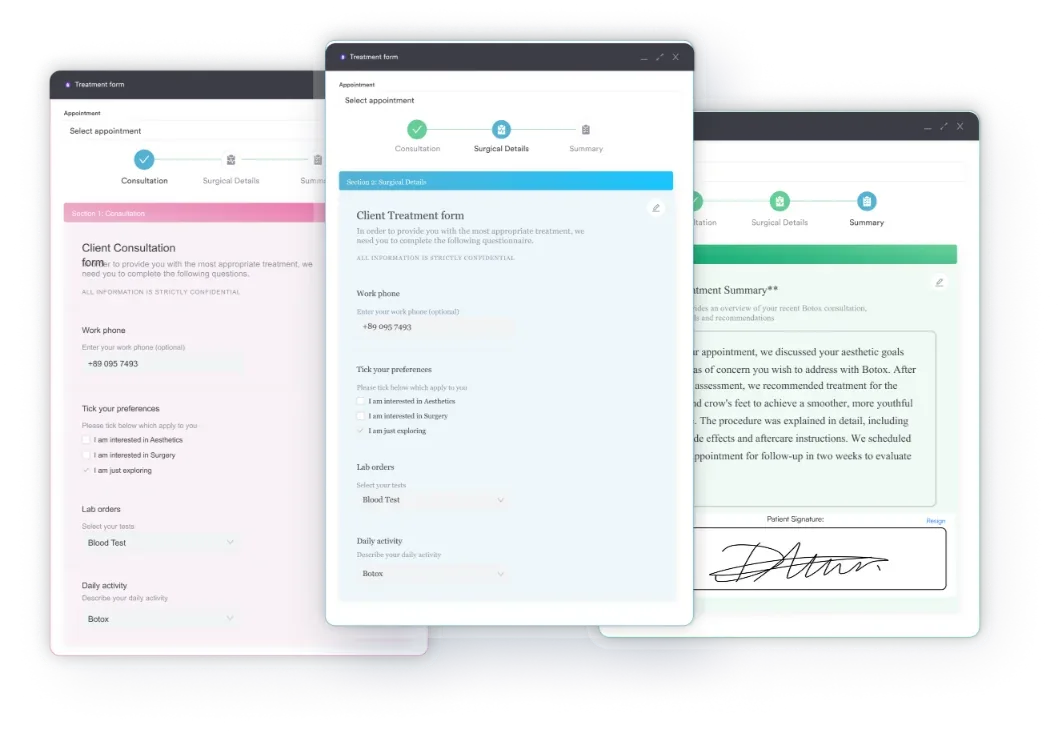
Required documentation for A6242 includes:
Maintaining electronic client records with structured wound care fields makes audit responses faster and cleaner. When a DME MAC requests records, having everything in one place beats scattered paper files. That difference determines whether an audit resolves quickly or drags into a prolonged review. Good practice also means following HIPAA-compliant documentation practices throughout the wound care episode.
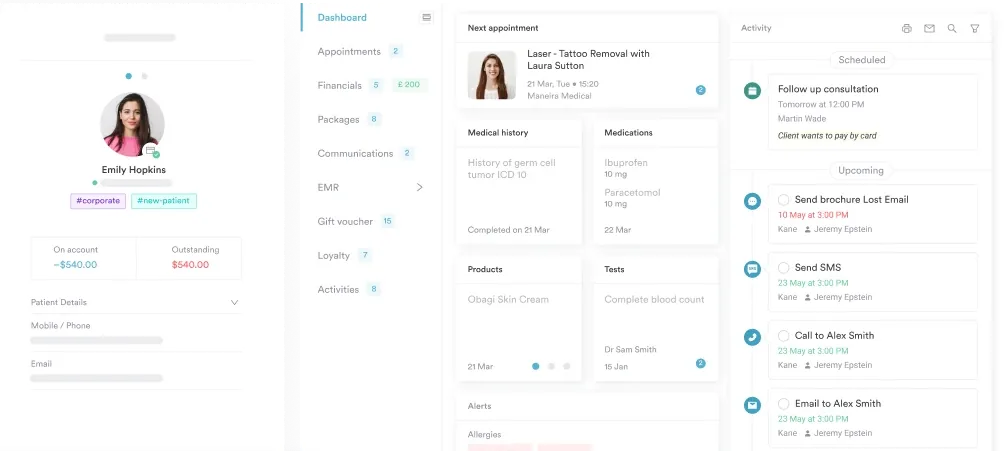
For standardizing how wound care notes are captured across staff.
Billing HCPCS Code A6242 correctly requires more than assigning the right code. The units, modifiers, and claim submission rules all affect whether a claim pays on first submission. Using paperless billing practices with built-in code validation reduces manual submission errors at scale.
Every A6242 claim also needs an A1-A9 wound-count modifier. This reports how many wounds are under active treatment, from one (A1) to nine or more (A9). A claim submitted without it rejects for missing information.
The KX modifier is the most consequential for A6242 billing. Appending KX to the claim attests that all LCD L33831 coverage criteria have been met. It also confirms that documentation exists to support the claim. Submitting KX without adequate supporting documentation creates audit risk and potential overpayment liability.
Frequency limits for A6242 are specified in LCD L33831 and Policy Article A54563. Specific per-month quantity limits are subject to change, so always verify current limits against the live CMS policy documents. General billing guidance includes:
For current frequency limit details, consult the PGM Billing lookup tool or your DME MAC’s policy guidance directly.
The A6242-A6248 range covers hydrogel dressings segmented by two key variables: pad size and whether the dressing has an adhesive border. Selecting the wrong code in this range is a common cause of claim denial, particularly when wound size documentation is vague. Coders at skin and wound practices and plastic surgery practices need to cross-check wound measurements against the pad size thresholds before assigning a code.
The critical distinction between A6242 and A6245 is the adhesive border. If the dressing has an integrated adhesive border and is 16 sq in or less, the correct code is A6245, not A6242. A6248 is a separate product category entirely. It covers hydrogel wound filler, gel or impregnated gauze used inside the wound cavity, rather than a wound cover applied over the top.
Two CMS documents govern Medicare coverage for A6242. Every wound care biller working with this code needs to know both.
LCD L33831 is the Local Coverage Determination that defines which surgical dressings Medicare covers, including hydrogel codes A6242-A6248. It specifies the clinical conditions, frequency limits, and documentation standards required to support a covered claim. LCD L33831 is maintained by the DME MACs and is updated periodically. Always access the current version directly from the CMS Medicare Coverage Database rather than relying on cached or third-party reproductions. Practices billing in Australia check the current MBS descriptor before submitting, because descriptors are revised on a schedule.
Policy Article A54563 is a companion document to LCD L33831. Where the LCD sets coverage indications, the policy article provides the billing and coding instructions, covering:
Key points from Policy Article A54563 relevant to A6242:
For PDAC (Pricing, Data Analysis and Coding) coding verification on specific A6242 products, see the CGS Medicare Coding Verification resource for confirmed product coding assignments.
Before billing A6242, pull up the current LCD L33831 on the CMS Medicare Coverage Database and Policy Article A54563 together. Cross-reference the wound type, pad size, and modifier requirements against your claim before submission. A 10-minute pre-billing check prevents denial rework that takes far longer to resolve.
Wound care billing requires more documentation precision than most supply billing. Pad sizes, wound measurements, physician orders, and frequency limits all have to line up before a claim goes out. When that documentation lives in different systems, paper charts, separate billing software, or scanned PDFs, a missing detail is more likely to slip through.
Practice management software like Pabau brings the documentation wound care teams need into one record. Wound measurement data captured at the point of care carries through to the billing paperwork, cutting out the manual transcription step where errors happen most.
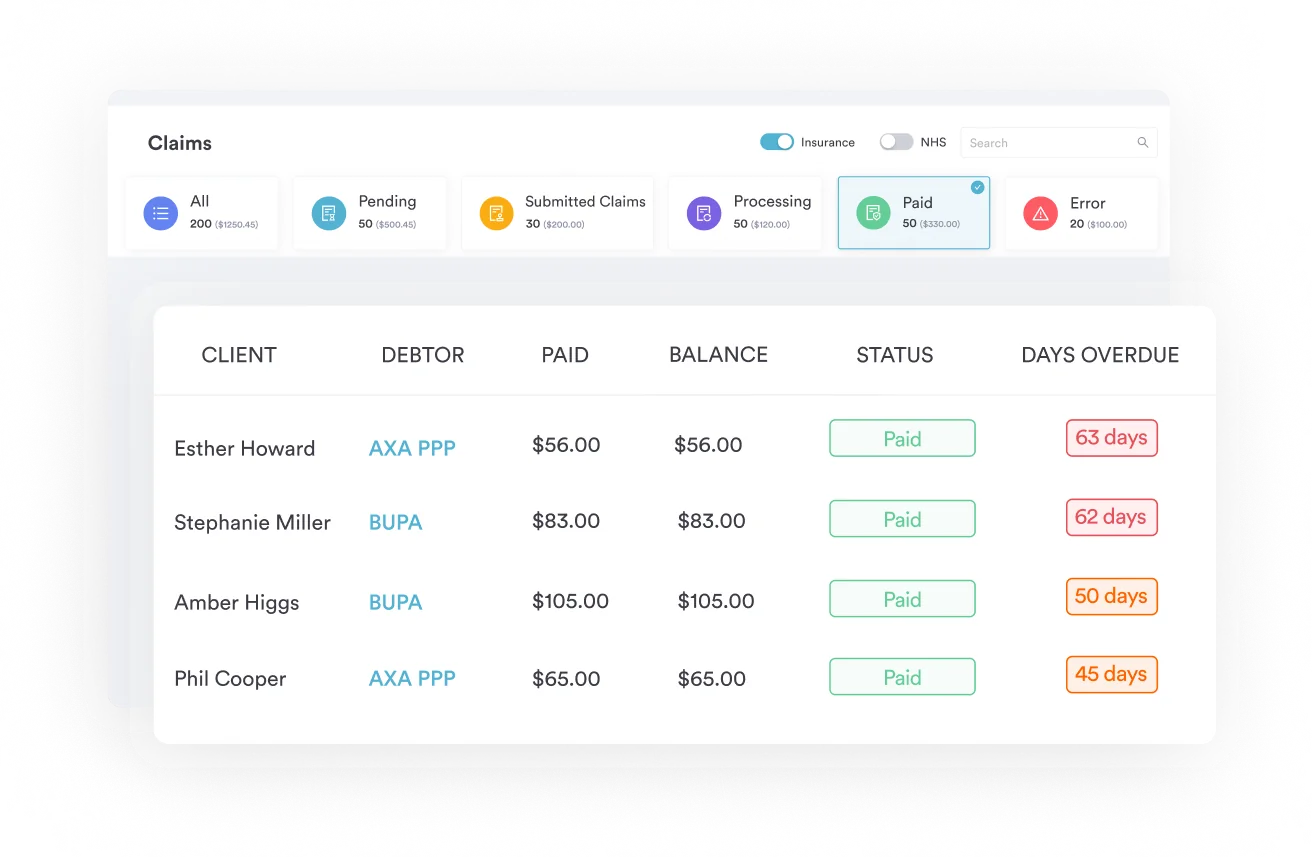
For practices running multiple wound care patients per day. Staff capture wound size, physician order reference, and dressing quantity before the appointment closes, instead of chasing it down at billing time. This kind of structured capture is what makes practice management software genuinely useful for HCPCS billing, not just appointment scheduling.
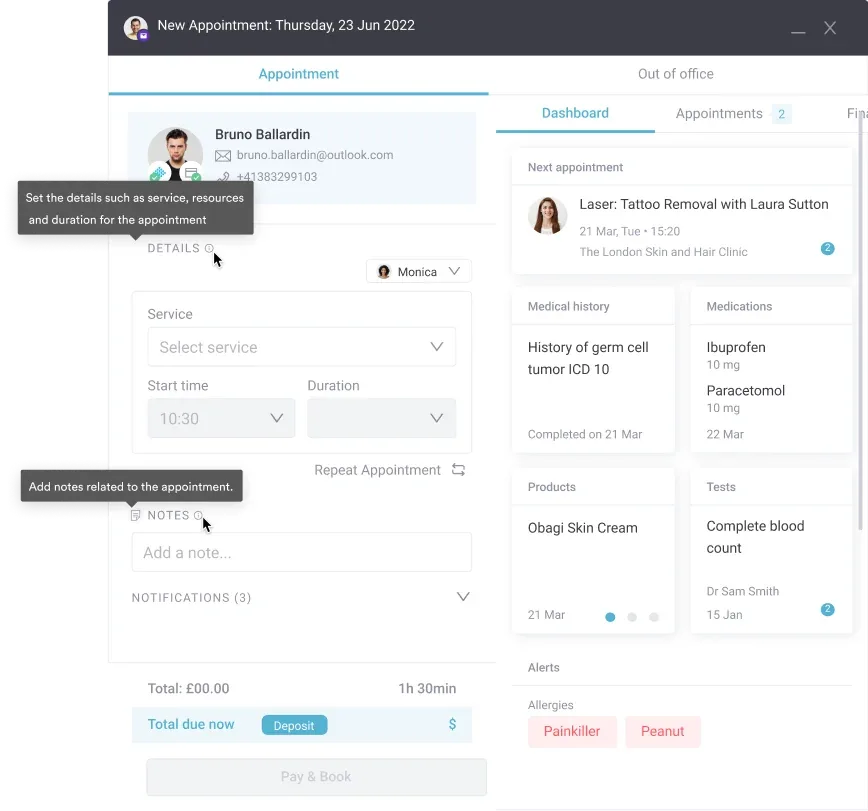

Pabau keeps HCPCS documentation, physician orders, and treatment records organized in one place, so your team spends less time chasing paperwork and more time on patient care.

Coding A6242 correctly comes down to matching the pad size and border type to the wound. Then back the claim with a physician order, a wound measurement, and a medical necessity note. Skipping any one of those is what turns a routine dressing claim into a denial or an audit request.
The fastest fix is building the documentation habit into the point-of-care workflow, not the billing desk. When wound size, physician order, and dressing count get captured during the visit, A6242 claims go out clean the first time. Book a demo to see how Pabau keeps wound care documentation organized from patient visit through billing.

Billing photodynamic therapy for dermatology? HCPCS code J7308 billing guide covers billing aminolevulinic acid HCl for photodynamic therapy in dermatology practices.
Billing wound debridement separately? CPT Code 97597 covers active wound care management and documentation requirements.
Using a skin substitute graft? HCPCS Code Q4101 explains Apligraf billing and coverage documentation.
HCPCS Code A6242 is a Level II HCPCS supply code for a hydrogel dressing, wound cover, pad size 16 square inches or less, without an adhesive border, billed per each dressing dispensed. It is used for Medicare Part B DME billing for qualifying wound care patients.
Yes, A6242 is covered under Medicare Part B as a DME surgical dressing supply when medically necessary, as defined by LCD L33831 (Surgical Dressings) and Policy Article A54563. Coverage requires a physician order, documented wound size, wound type, and a medical necessity justification.
Required documentation includes a physician order specifying the dressing type and change frequency, wound size measurement (length x width) confirming pad size appropriateness, wound type with a supporting ICD-10 diagnosis code, a medical necessity statement, a wound care treatment plan, and dispensing records matching the units billed.
A6242 covers hydrogel wound cover dressings with a pad size of 16 square inches or less without an adhesive border. A6243 covers the same type of dressing (hydrogel, no adhesive border) but for wounds requiring a larger pad: more than 16 square inches but not more than 48 square inches. The wound size documented in the clinical record determines which code applies.
Common modifiers for A6242 include KX (LCD requirements met), NU (new item purchased), GA (Advance Beneficiary Notice on file), and GY (item statutorily excluded). Every claim also needs the mandatory A1-A9 wound-count modifier, and the KX modifier is the most commonly required for coverage attestation.
LCD L33831 (Surgical Dressings) is the Local Coverage Determination governing Medicare coverage for A6242 and the A6242-A6248 hydrogel dressing code range. Policy Article A54563 provides the accompanying billing and coding guidance. Both documents are maintained by the DME MACs and published on the CMS Medicare Coverage Database.



