

HCPCS code E0198: Water pressure pad billing guide
HCPCS code E0198 is a water pad for a standard mattress HCPCS code E0198 is the ...

Last Updated: Oct 13, 2026
A4252 is the HCPCS Level II code for blood ketone test or reagent strip, each.
Let Pabau's smart automation suggest the right codes, reduce claim denials, and keep your practice compliant—effortlessly.
Automate repetitive tasks and focus on what matters most—your patients.
Reduce coding errors and ensure compliance with the latest regulations.
Clean claims, fewer denials, and faster reimbursements.
Powerful insights and reporting to help your practice thrive.
HIPAA compliant SOC 2 certified GDPR-compliant Trusted by 4,000+ clinics worldwide

HCPCS code A4252 describes a blood ketone test or reagent strip, each unit, billed under Level II HCPCS for home monitoring supplies.
A4252 falls under DMEPOS billing; suppliers must be enrolled with the correct DME MAC for the beneficiary’s state of residence before submitting claims.
Medicare coverage requires documented medical necessity, typically an E10 or E11 diabetes diagnosis; Medicaid prior authorization requirements vary significantly by state.
Practice management software like Pabau supports clean claims submission and reconciliation, helping DMEPOS billers reduce the coding and documentation errors that lead to denials.
This code sits within the Level II HCPCS A-code series, which covers medical and surgical supplies rather than physician procedures. According to CMS, HCPCS Level II codes capture products, supplies, and services not captured in CPT, including durable medical equipment, prosthetics, orthotics, and supplies (DMEPOS).
Blood ketone strips are distinct from glucose test strips, billed separately under billed separately under A4253. They measure beta-hydroxybutyrate in capillary blood, making them relevant for patients with Type 1 diabetes at risk of diabetic ketoacidosis (DKA) and, increasingly, for patients on ketogenic dietary regimens under medical supervision.
Payers treat these two supply types differently, and using the wrong code is a common source of denials.
Medicare reimburses HCPCS code A4252 through the DMEPOS fee schedule, not through the Physician Fee Schedule. Rates are set annually by CMS and vary by DME MAC jurisdiction.
The national average Medicare allowable for A4252 is typically under $2.00 per strip, though exact figures should be confirmed directly through the CMS DMEPOS fee schedule for the current fiscal year rather than a third-party estimate.
Because reimbursement rates change each January, billing staff working with metabolic health practices that regularly supply ketone monitoring products should verify current allowable amounts directly from CMS DMEPOS fee schedule files rather than relying on prior-year data.
Medicare does not cover blood ketone strips automatically. Coverage requires documented medical necessity, and the supplier must be able to produce that documentation on audit.
The criteria below reflect standard Medicare DMEPOS coverage requirements; always verify against the current Local Coverage Determination (LCD) from your DME MAC, as requirements can be revised.
Practices supporting patients with medically supervised weight loss programs that incorporate ketogenic protocols should ensure their documentation explicitly connects the monitoring to a diagnosed medical condition, not lifestyle management alone. Medicare does not cover ketone strips for non-medical dietary purposes.
Before delivering any A4252 supplies to a Medicare beneficiary, confirm the physician order is signed and dated, the diagnosis code is documented in the medical record, and your supplier number is active with the applicable DME MAC. Claims submitted without a completed coverage file are the primary driver of medical necessity denials for this code.
An inventory management tool flags when supply usage and supply billing drift apart.
Medicaid coverage for HCPCS code A4252 varies considerably by state.
North Carolina Medicaid, for example, already covered A4252 under Clinical Coverage Policy 5A-3 before a 2019 bulletin clarified that suppliers must bill per strip, not per box, and capped coverage at 100 test strips per month. Other states may have different coverage rules, quantity limits, or authorization pathways.
Good patient compliance documentation is especially important for Medicaid prior authorization requests. Reviewers typically want to see evidence that the patient has been trained in strip use and that monitoring results are being reviewed clinically.
HCPCS code A4252 is billed through the DMEPOS claim pathway, not through a standard physician or outpatient claim. The DME MAC that processes the claim is determined by the beneficiary’s state of residence, not the supplier’s location.
Only two contractors administer the four DME MAC jurisdictions nationwide: Noridian Healthcare Solutions and CGS Administrators. Suppliers must be enrolled with the correct contractor before submitting any A4252 claims.
Supplier enrollment under 42 CFR 424.57 is a hard prerequisite. Submitting A4252 claims as an unenrolled supplier results in immediate rejection, not just denial. Enrollment requires DMEPOS accreditation from a CMS-approved accreditation organization, plus meeting all 30 supplier standards. See CGS supplier enrollment guidance for jurisdiction-specific submission requirements.
Medical necessity for A4252 rests on the diagnosis documented in the patient’s record.
The ICD-10-CM codes below represent the most commonly paired diagnoses when billing blood ketone strips. Verify against your DME MAC’s current LCD to confirm which codes are covered in your jurisdiction, as coverage criteria can change with annual LCD revisions.
Using an ICD-10-CM code that is not on the applicable LCD’s covered diagnosis list is one of the most common reasons A4252 claims are denied for lack of medical necessity. The AAPC HCPCS code lookup provides crosswalk information to help billers identify appropriate paired diagnoses.
For practices managing patients with diabetes and related conditions, ensuring diagnosis-code alignment before claim submission is a foundational step in clean-claim workflows. Related medical forms workflows within your practice management system can help systematize this verification step.
Submitting A4252 claims correctly requires attention to the DMEPOS claim form requirements, modifier usage, and documentation standards. Errors at any stage result in rejection or denial, and DMEPOS appeals can run 60 to 90 days. Following a consistent pre-submission checklist is the most effective way to reduce rework.
Modifiers affect reimbursement and coverage determination. Using the wrong modifier, or omitting a required one, is a direct path to denial. Always verify modifier requirements against the current DME MAC billing guidance for your jurisdiction.
Most A4252 denials cluster around a handful of recurring issues. Tracking your denial patterns against these categories is the fastest way to catch recurring workflow breakdowns. A denial management process turns recurring denial patterns into steps to fix, appeal and prevent future claims.
Good documentation and compliance practices within your billing workflow are the most effective prevention for these denial patterns. For practices using a practice management system, building a pre-submission checklist into your A4252 billing workflow catches most of these issues before the claim leaves the office.
Pabau’s claims management software supports clean claim submission and reconciliation, which helps catch avoidable errors before a claim goes out.
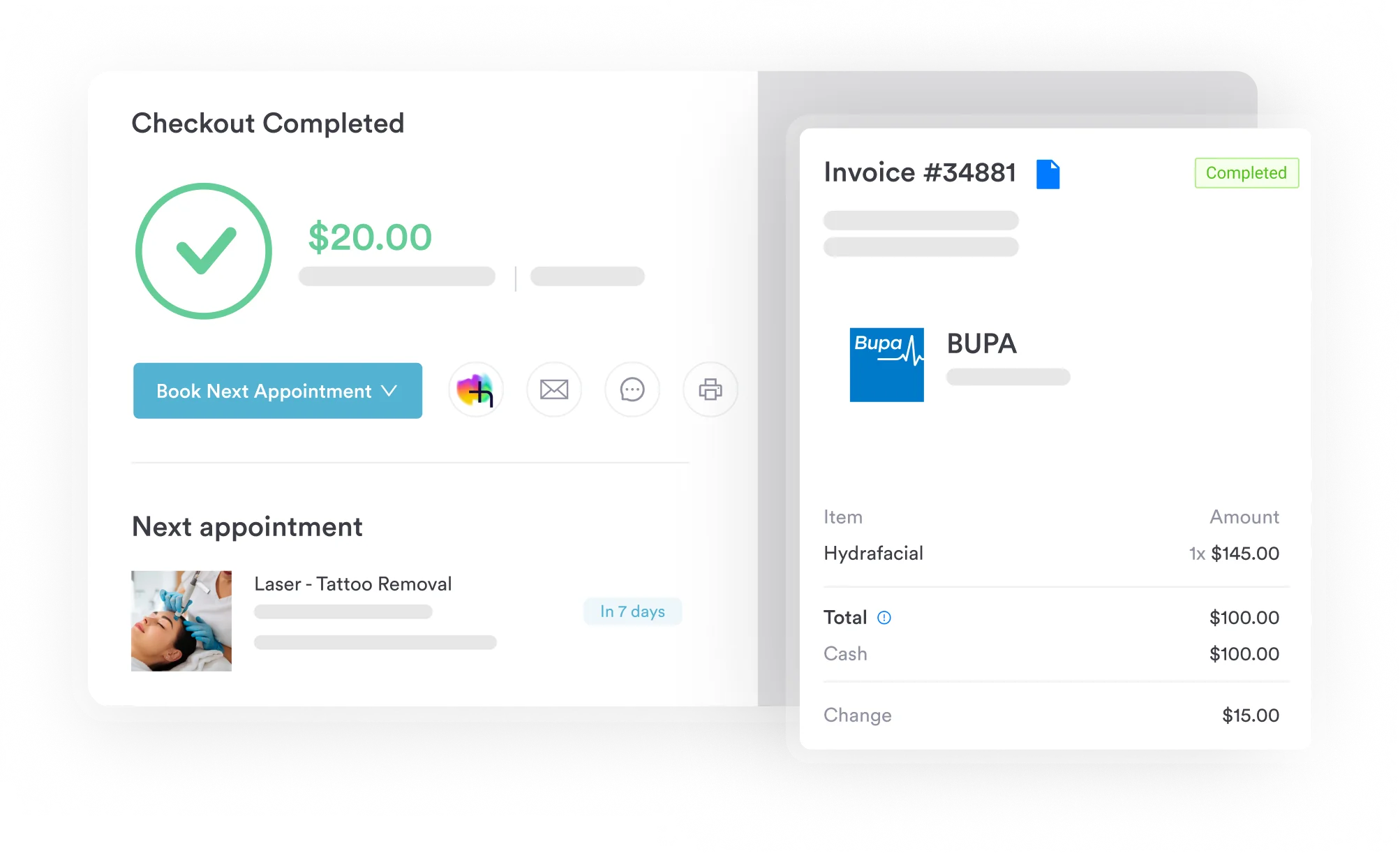

Pabau’s claims management tools support clean claim submission and reconciliation, helping DMEPOS billers reduce the errors that lead to denials. See how it fits your billing workflow.

Billers supplying diabetic monitoring products need to distinguish A4252 from adjacent A-codes that cover different strip types or collection methods. Using A4253 (glucose strips) when the product is a ketone strip, or vice versa, is an unbundling and miscoding risk. The table below maps the most closely related codes.
When billing A4252 alongside companion supplies (lancets, lancing devices), each item is billed under its own HCPCS code. Do not bundle companion supplies into the A4252 line. The NLM HCPCS API provides programmatic access to the full code set for cross-referencing. For practices also working with other billing code families.
DMEPOS billing carries a documentation burden that standalone coding tools struggle to handle cleanly. Supplier enrollment status, physician order tracking, modifier logic, LCD crosswalk verification, and quantity limit monitoring all need to happen before the claim goes out, not during an audit 18 months later.
Practice management platforms with integrated billing modules address this by centralizing the pre-submission workflow. For A4252 claims specifically, the most common points of failure (missing physician order, wrong modifier, unverified diagnosis code) are addressable through structured documentation checklists and claim-scrubbing logic built into the billing module.
Practices using practice management software features for billing typically see fewer rework cycles on DMEPOS claims, since the checklist is embedded in the workflow rather than enforced manually.
For practices managing metabolic health patients who use ketone monitoring as part of a broader care plan, having patient records, physician orders, and billing documentation in one system also simplifies audit response. When a DME MAC requests supporting documentation, the order, diagnosis, and delivery record are retrievable from a single source rather than scattered across paper files and a separate billing platform.
Practices exploring this model can review how direct primary care software approaches integrated documentation and billing workflows, which shares many structural similarities with DMEPOS-adjacent practice models.
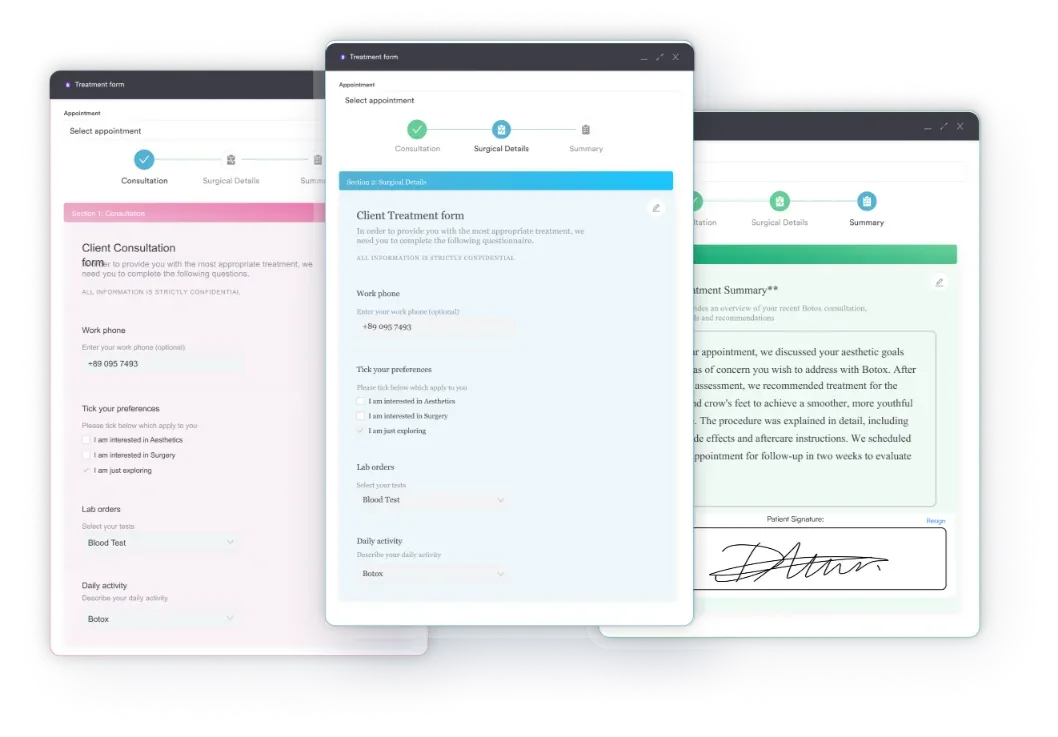
Pabau’s platform supports these workflows through digital forms for capturing physician orders and patient consent, alongside structured client records that keep diagnosis documentation linked to billing records. These same records make it easier to assemble everything a DME MAC asks for during an audit.
Set up a DMEPOS claim checklist as a standard operating procedure in your practice management system. For every A4252 claim, the checklist should verify: supplier enrollment active, signed physician order on file, ICD-10 code matches LCD covered list, KX modifier applied, quantity within coverage limits, and correct DME MAC jurisdiction. Running this before each submission batch catches most denial drivers before the claim leaves the office.
HCPCS code A4252 is a straightforward supply code, but the billing pathway around it isn’t forgiving. Jurisdiction routing, supplier enrollment, modifier selection, and diagnosis documentation all have to be right before the claim goes out. Miss one, and it’s a denial, an appeal, and weeks of delayed revenue.
Pabau keeps physician orders, diagnosis codes, and claim history together in one client record, so DMEPOS billers aren’t hunting across systems when a DME MAC asks for backup. If clean claim submission and fewer coding rejections would help your billing team, book a demo to see how it fits your workflow.

Also billing glucose-monitor batteries alongside ketone strips? A4236 billing guide covers the silver oxide battery code and its DMEPOS documentation rules.
Need the lithium battery equivalent? A4235 billing guide walks through coverage and modifier rules for the lithium-battery version of the same supply family.
Billing other DMEPOS supplies alongside test strips? A4206 billing guide explains when a sterile syringe is bundled into a procedure instead of billed separately.
A4252 bills a blood ketone test strip, one strip per unit, through the DMEPOS supply pathway. It covers patients with diabetes at risk of ketoacidosis or on a medically supervised ketogenic protocol, distinct from glucose-strip billing under A4253.
The national average Medicare allowable typically runs under $2.00 per strip, though the exact amount depends on DME MAC jurisdiction and updates annually. Check the current CMS DMEPOS fee schedule rather than relying on last year’s figures.
Most state Medicaid programs cover it for beneficiaries with a documented diagnosis, though limits and authorization vary by state. North Carolina covers A4252 under Clinical Coverage Policy 5A-3 with a 100-strip monthly limit; a 2019 bulletin clarified billing per strip, not per box.
KX applies once LCD medical-necessity criteria are documented and met. GA signals a signed ABN is on file when denial is possible, and GZ applies when denial is expected with none on file. KL applies only when strips ship by mail.
The DME MAC is determined by the beneficiary’s home state, not the supplier’s. Noridian Healthcare Solutions processes Jurisdictions A and D, and CGS Administrators processes both B and C. Confirm supplier enrollment is active with the correct contractor first.
Not necessarily. Commercial payers set their own medical-necessity criteria, prior authorization rules, and quantity limits for blood ketone strips, and some exclude ketogenic-diet use entirely. Verify each payer’s policy directly rather than assuming Medicare’s rules apply.



