HCPCS code E0198: Water pressure pad billing guide
HCPCS code E0198 is a water pad for a standard mattress HCPCS code E0198 is the ...

Last Updated: Oct 13, 2026
A4236 is the HCPCS Level II code for replacement battery, silver oxide, for use with medically necessary home blood glucose monitor owned by patient, each.
HCPCS code A4236 pays for a silver oxide battery for a patient's own home blood glucose monitor, nothing else. Get the chemistry and the modifier right, and this is one of the simplest DMEPOS claims a supplier files.
The trouble is the code sits inside a four-code family that differs only by battery chemistry, next to two look-alike neighbors, A4237 and A4238, that don't belong in it at all. Mix up the chemistry, reach for the wrong modifier, or lump A4238 in with the rest, and a two-minute refill claim turns into a denial.
Let Pabau's smart automation suggest the right codes, reduce claim denials, and keep your practice compliant—effortlessly.
Automate repetitive tasks and focus on what matters most—your patients.
Reduce coding errors and ensure compliance with the latest regulations.
Clean claims, fewer denials, and faster reimbursements.
Powerful insights and reporting to help your practice thrive.
HIPAA compliant SOC 2 certified GDPR-compliant Trusted by 4,000+ clinics worldwide

HCPCS code A4236 is a replacement silver oxide battery for a patient-owned home blood glucose monitor, billed one unit per battery
It sits in a four-code battery family, A4233 through A4236, split only by chemistry; A4237 was never assigned, and A4238 is a separate CGM supply-allowance code, not a fifth battery option
Claims need modifier KX or KS depending on the beneficiary’s insulin status, plus KL when the battery ships by mail; KF, the FDA Class III modifier, does not apply to this code
Refill batteries only go out after the supplier contacts the beneficiary and confirms the need, per the glucose monitor LCD, not on a pre-set mail-order schedule
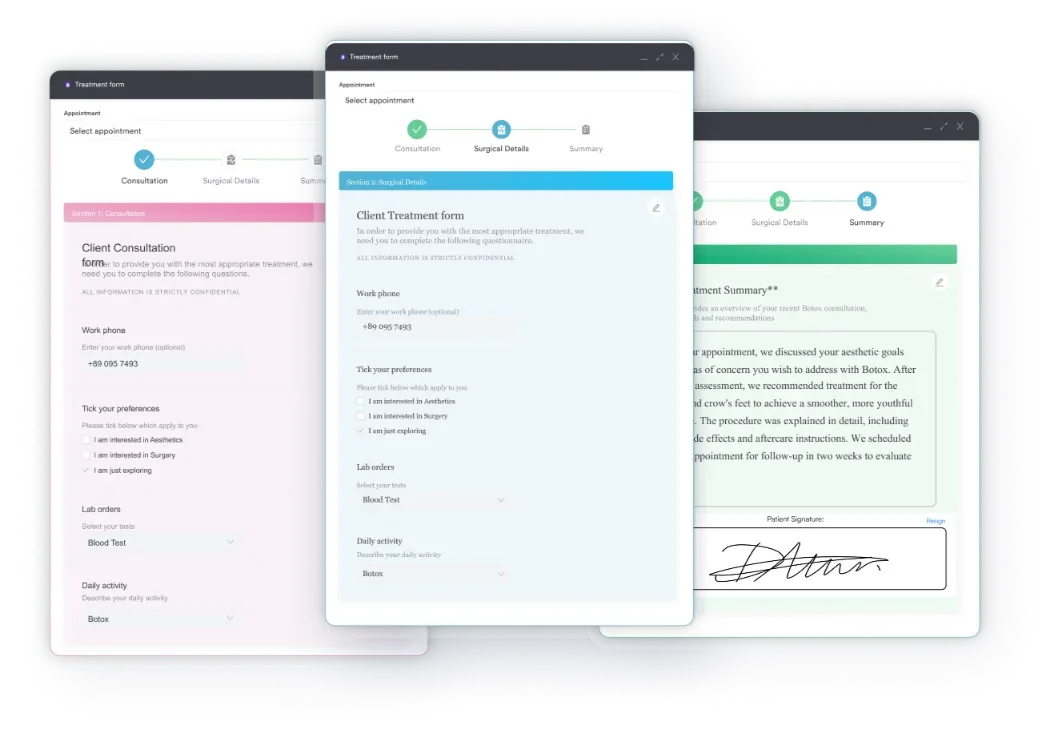
Practice management software like Pabau keeps the physician order, delivery proof, and patient history organized in one client record, so the paperwork is easy to find at claim time
The official long descriptor is exact: Replacement battery, silver oxide, for use with medically necessary home blood glucose monitor owned by patient, each.
CMS assigned A4236 effective January 1, 2006, as part of the HCPCS Level II code set maintained by CMS. Its short descriptor, used on remittance advice and some claims systems, reads “Silvr oxide batt glucose mon.”
A4236 falls under the DMEPOS program, so only a CMS-accredited DMEPOS supplier can bill it to Medicare, the same enrollment requirement that applies to the monitor itself, its test strips.
Because the code describes the battery’s chemistry and its use, not a brand or model, the same code applies across manufacturers as long as the meter takes a silver oxide cell.

All four codes in this family do the exact same job, a battery for a patient-owned home blood glucose monitor, split only by chemistry. Confirm the meter’s power source before selecting a code; billing the wrong chemistry is the fastest way to trigger a code-to-device mismatch denial.
Two codes that look like they belong in this family don’t. A4237 was never assigned, CMS’s HCPCS files run A4233, A4234, A4235, A4236, then skip straight to A4238, so a claim or crosswalk referencing A4237 is referencing a code that doesn’t exist.
A4238 does exist, but it’s a different benefit entirely, a supply allowance for an adjunctive, non-implanted continuous glucose monitor, bundling the sensors and accessories that a CGM needs into one unit of service. It has nothing to do with a discrete battery, and it shouldn’t be billed alongside A4233 through A4236 as if it were a fifth chemistry option. What a superbill includes decides whether the patient insurer processes or rejects the reimbursement request. The CARC denial code list is short enough to learn, and most rework traces to a handful of entries.
Need the alkaline or lithium version instead? A4233 and A4235 walk through the coverage and modifier rules for the other two chemistries in this same family.
Medicare covers A4236 under the DME benefit once three things line up: the beneficiary has a diagnosed condition, typically diabetes, that requires home blood glucose monitoring, the beneficiary already owns a covered home blood glucose monitor, and a supplier has a valid order on file.
Skip any one of the three and the battery claim gets denied, no matter how correctly A4236 itself is coded.
The governing documents are the Glucose Monitor LCD (L33822) and its companion Policy Article (A52464), and they should be read together. Interpretation can vary slightly by DME MAC jurisdiction, so check the specifics with Noridian or CGS Medicare, whichever contractor processes your claims, before submitting.
The best medical practice management systems tie supply usage to invoices, so dressing changes stop being free.
Missing documentation, not a coding mistake, is what drives most glucose monitor improper payments in CMS’s own audit data. For A4236, the supplier’s file needs:
Structured medical forms and documentation workflows make it easier to keep the SWO, the ownership proof, and the delivery record together in one client record instead of scattered across separate systems. The same habits behind clear nursing documentation apply just as much to keeping DMEPOS paperwork claim-ready.
Ask one question before every A4236 refill goes out: did the beneficiary actually ask for this? If the answer is “the schedule says it’s due,” stop. The glucose monitor policy requires a documented, beneficiary-initiated refill request every time, and an autoship habit is one of the fastest ways to turn a routine supply claim into a program integrity referral.
Three modifiers show up on A4236 claims, and none of them is optional once its condition is met. A fourth, KF, gets applied out of habit by suppliers used to billing continuous glucose monitor codes, and it doesn’t belong here at all.
KF, the FDA Class III device modifier, does not apply to A4236. CMS’s glucose monitor policy restricts KF to continuous glucose monitor codes and their supply allowance, not to a standard home blood glucose monitor or its battery, which aren’t Class III devices.
Appending KF to an A4236 claim anyway doesn’t just risk an edit, it signals to the MAC that the supplier is confusing two different benefit categories.
Build a quarterly review of the A4233-A4236 series into your billing calendar. Check that the chemistry on each open order still matches what the beneficiary’s monitor actually takes, since a device swap mid-course is one of the quietest ways a correct claim turns into a denied one.
A4236 doesn’t price the way most DMEPOS supply codes do. Since 2013, CMS has paid A4233 through A4236, along with the related diabetic testing-supply codes swept into the same national mail-order program, at a single, nationally equalized rate rather than a locality-adjusted amount.
Whether the claim carries the KL mail-order modifier or not, the underlying payment rate for the battery itself doesn’t change by state or county the way most DME supply pricing does.

Pabau keeps the physician order, delivery proof, and patient history organized in one client record, so documentation for diabetic supply codes like HCPCS A4236 is easy to find at claim time. See how it fits your workflow.

HCPCS code A4236 is one of the simpler DMEPOS codes to get right, once you know it’s a glucose monitor battery, not an implant accessory. The chemistry has to match the device, the modifier has to match the beneficiary’s insulin status, and the refill has to be requested, not scheduled.
Pabau keeps the physician order, the delivery signature, and the patient’s history organized in one client record, so none of the supporting paperwork needs reconstructing after a denial.
To see how Pabau keeps diabetic-supply documentation organized, book a demo with the team.

Stocking the alkaline version instead? A4233 covers the same battery job for monitors that take an alkaline cell rather than silver oxide.
Billing the lithium option? A4235 walks through the modifier and documentation rules for the lithium battery in this same family.
Also billing test strips for the same patient? A4253 covers the testing-supply side of the same glucose monitor coverage rules.
There’s no single fixed national interval. Frequency limits for A4233 through A4236 come from the DME MAC’s own glucose monitor policy for the supply period, so check the current allowance with the contractor that processes your claims rather than assuming a set number of months.
Yes. The meter’s own manual sets the chemistry, so a device swap can move a patient from A4236 to A4233, A4234, or A4235 overnight. Check the new model’s power source before the next refill goes out, not after a denial comes back.
Yes. An authorized representative can make the request and confirm receipt, not only the beneficiary. The supplier still has to document who initiated it and confirm it wasn’t a pre-scheduled reship.
There’s no single required code. The glucose monitor policy accepts a range of diabetes diagnoses, type 1, type 2, gestational, and others, so match whichever one is documented in the beneficiary’s chart rather than defaulting to one code.
Most plans mirror the DME MAC’s coverage criteria and modifier rules, but plan-specific utilization limits can be tighter. Confirm with the plan directly rather than assuming Original Medicare’s frequency allowance carries over.