

HCPCS code E0198: Water pressure pad billing guide
HCPCS code E0198 is a water pad for a standard mattress HCPCS code E0198 is the ...

Last Updated: Oct 13, 2026
A4216 is the HCPCS Level II code for sterile water, saline and/or dextrose, diluent/flush, 10 ml.
Let Pabau's smart automation suggest the right codes, reduce claim denials, and keep your practice compliant—effortlessly.
Automate repetitive tasks and focus on what matters most—your patients.
Reduce coding errors and ensure compliance with the latest regulations.
Clean claims, fewer denials, and faster reimbursements.
Powerful insights and reporting to help your practice thrive.
HIPAA compliant SOC 2 certified GDPR-compliant Trusted by 4,000+ clinics worldwide

HCPCS code A4216 describes sterile water, saline and/or dextrose diluent/flush, 10 ml – a Level II HCPCS supply code under the DME/medical supplies category.
A4216 is covered by Medicare as a DME supply. Fee schedule rates vary by MAC jurisdiction and are updated annually by CMS.
The code appears on the ESRD bundled payment list, which affects billing separately for dialysis patients – always verify current bundle status before submitting claims.
Pabau’s claims management software helps practices apply correct HCPCS Level II supply codes, modifiers, and supporting diagnosis codes to reduce denials.
HCPCS code A4216 is a Level II supply code for sterile water, saline and/or dextrose diluent/flush, billed in 10 ml units under the DME/medical supplies category. It carries its own coverage logic, bundling rules, and modifier requirements, distinct from a procedure code’s billing logic. This reference covers every billing dimension of A4216, from Medicare coverage to modifiers, supporting ICD-10 codes, and the crosswalk to related codes.
Official long description: Sterile water, saline and/or dextrose, diluent/flush, 10 ml. The code is maintained by CMS as part of the HCPCS Level II alphanumeric code set. According to CMS, HIPAA-compliant electronic claim submissions require valid HCPCS Level II codes for all covered supplies, so accurate code selection affects compliance as well as revenue.
Medicare covers A4216 as a DME supply under the DMEPOS (Durable Medical Equipment, Prosthetics, Orthotics and Supplies) fee schedule. Coverage is subject to applicable Local Coverage Determinations (LCDs) issued by the relevant Medicare Administrative Contractor (MAC) for the beneficiary’s state. Always verify active LCD status before billing, as MAC policies update independently of the national fee schedule.
The 2026 HCPCS A4216 fee schedule rates are set by CMS and administered through the CMS fee schedule lookup. National average payment figures reflect the allowed amount before geographic adjustments. MAC-level rates incorporate locality pricing factors, so practices in high-cost regions may receive higher reimbursements than the national average. Commercial payer rates are negotiated separately and can differ substantially from Medicare benchmarks.
ESRD bundling note: A4216 has been confirmed on ESRD bundled payment lists, meaning it is typically not separately billable for end-stage renal disease patients under the ESRD Prospective Payment System. Verify current bundle inclusion against the CMS ESRD PPS documentation before each billing cycle. Incorrect separate billing for bundled services triggers recoupment risk. Practices managing complex renal patients benefit from claims management software that flags bundling conflicts before submission.
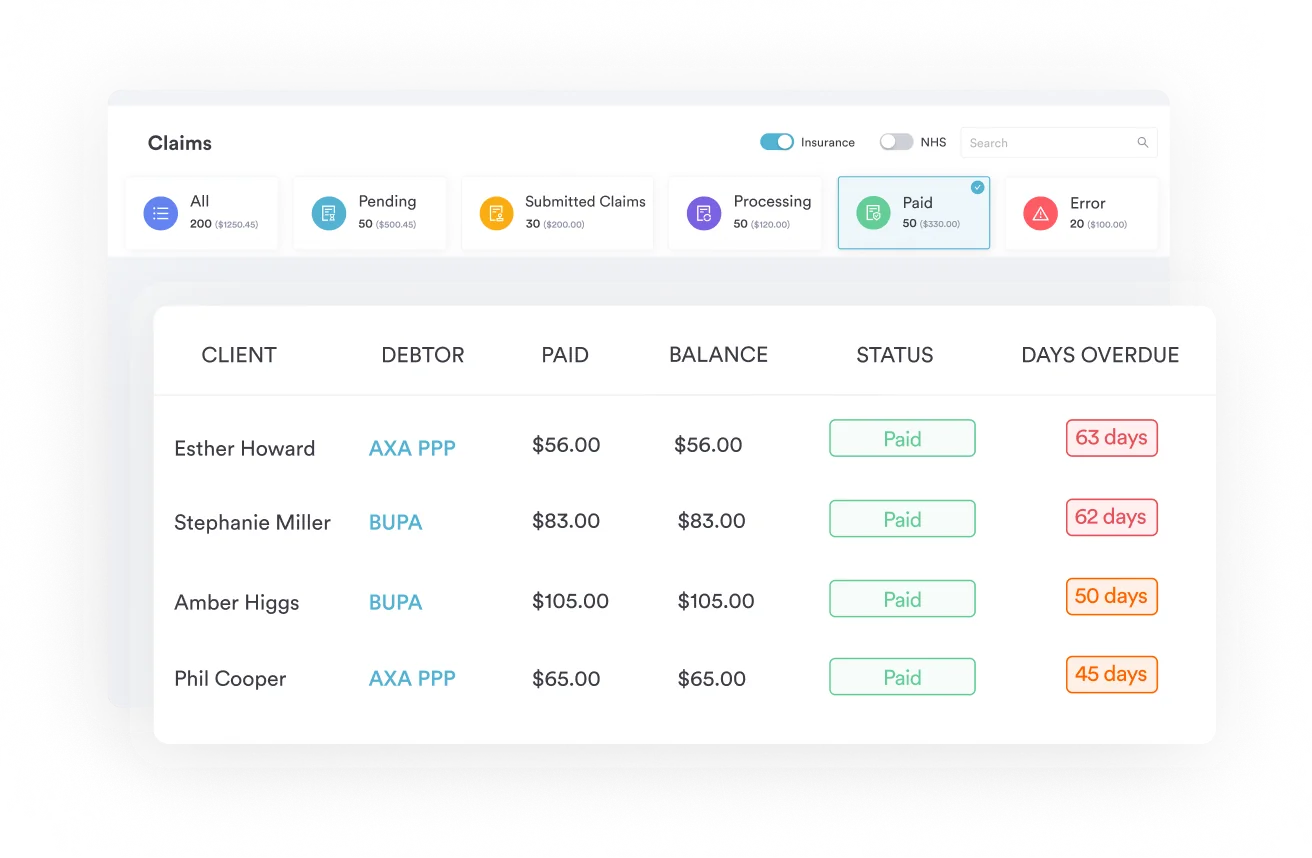
Supply code billing has tighter unit-of-service rules than procedure codes. For A4216, each unit represents 10 ml. Submit units reflecting the quantity dispensed, not a rounded estimate. Over-billing units – even by one – creates an audit exposure that outweighs any revenue gain.
Modifier selection for A4216 depends on the supply context and payer requirements. The table below reflects commonly applicable modifiers. Always verify with the relevant MAC LCD and payer policy before submitting, as modifier rules are updated periodically by CMS. You can search current HCPCS modifier guidance through the AAPC Codify HCPCS lookup.
With built-in inventory tracking, every dressing or catheter billed under these codes matches recorded stock movement.
Medicare and most commercial payers require a supporting diagnosis code to establish medical necessity for supply claims. The diagnosis code must be active, specific enough to justify the supply, and documented in the patient record. The following conditions commonly appear on A4216 claims:
ICD-10 code selection must reflect the documented clinical reason for the supply – not simply a code that “fits.” J44.1, for example, supports nebulizer diluent claims only when the documentation specifies an acute exacerbation. Specificity matters: a non-specific code where a more specific option exists can trigger a medical necessity denial. Document the primary diagnosis, treatment plan, and the clinical rationale for using a sterile diluent or flush in the patient record before billing.
Specificity has a floor at the billable code level, and the diagnosis on an A4216 claim has to clear it. S31.142S can be submitted for an abdominal puncture wound, while its six-character parent S31.142 cannot.
Audit your A4216 claims quarterly: pull all submissions from the prior 90 days and verify that every claim has an active, specific ICD-10 code, a signed order or prescription, and documented clinical necessity. This 30-minute review catches the patterns that trigger MAC probe audits before they escalate.
Documentation for A4216 claims must support both the supply itself and its clinical necessity. The standard audit trail for DME supply claims includes:
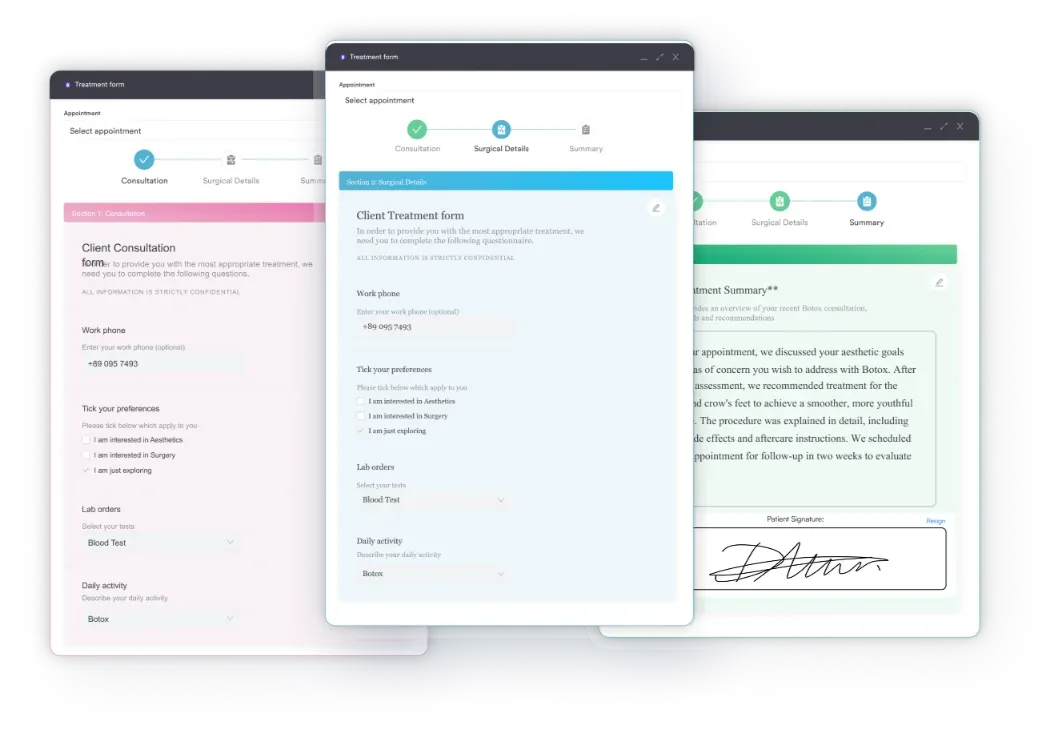
The treating physician’s order must be on file before – not after – the supply is dispensed. Retroactive orders are a common audit finding and typically result in full recoupment. Using digital forms for intake and consent workflows can support the documentation chain, with timestamped records that are audit-ready from the point of care. For a broader look at medical records management.
A4216 covers 10 ml units of sterile water, saline, or dextrose used as a diluent or flush. The clinical context determines which substance is appropriate and how billing should be structured.
The key billing principle across all use cases: bill units of A4216 equal to the 10 ml increments dispensed. Rounding up to a convenient number or billing a “standard amount” without supply-level tracking creates billing inaccuracy.

Pabau’s claims management tools help DME suppliers and clinical practices track supply codes, apply modifiers correctly, and submit cleaner HCPCS claims – so you spend less time on denials and more time on patient care.

A4216 denials cluster around a small number of recurring mistakes. Understanding the pattern is the fastest way to reduce denial rates. The following errors are commonly reported by medical billers and coders working with DME supply codes:
A4216 sits within a series of adjacent supply codes covering sterile water, saline, and related flush supplies in different volumes and formulations. Choosing the wrong code from this group is a common and avoidable billing error. The PGM HCPCS lookup tool provides free current-year descriptions for all A-series codes. Use the comparison table below to confirm you are billing the correct code for the actual supply dispensed.
The critical distinction between A4216 and A4217 comes up frequently in billing reviews. A4216 covers the 10 ml unit. Billing multiple A4216 units when a 500 ml container was dispensed is technically inaccurate – use A4217. For IV therapy practices and DME suppliers, accurate code selection by volume is a basic audit checkpoint. Practices using EHR integration to link supply records with billing workflows can automate volume-to-code matching, reducing this type of error at the point of entry.
Billing HCPCS Level II supply codes accurately requires more than knowing the code description. It requires a workflow that captures the right supply quantity at the point of care, links it to a documented diagnosis, and flags modifier requirements before the claim leaves the practice. Manual processes at any of these steps create denial risk. An itemized superbill keeps the required fields in one place: dates, codes, charges and provider identifiers.
Pabau’s claims management software is built for practices that need to track DME supply usage alongside clinical workflows – not as a separate back-office task. Supply quantities recorded during patient encounters feed directly into claim preparation, so what was dispensed and what gets billed stay aligned. Modifier fields are built into the claim workflow, so billers see the relevant options at claim creation rather than catching omissions in a post-submission review.
For practices managing patient data security alongside billing compliance, Pabau maintains HIPAA-aligned data handling across all billing records. The practice management platform integrates scheduling, clinical documentation, and billing into one system – so the order that justifies the supply claim is in the same record as the claim itself. That integrated audit trail is what MAC auditors look for when reviewing DME supply claims.
Check your A4216 claims against the NLM’s HCPCS Level II API to confirm code descriptions are current before each billing cycle. CMS updates HCPCS Level II codes annually – a code that was active last year may have a revised description or coverage status this year. Build this into your January billing protocol.
A4216 has maintained a consistent description and active status across recent fiscal years. CMS reviews HCPCS Level II codes annually and publishes updates effective January 1 each year. Code descriptions, coverage status, and fee schedule rates can all change at the annual update. The NLM Clinical Table API provides programmatic access to current HCPCS Level II code descriptions for practices that maintain automated code reference tools.
No predecessor code crosswalk is required for A4216 – it is a long-standing code without a recent ICD-9-era equivalent to map from. For practices running coding software that pulls historical crosswalk data, A4216 should appear as a direct-match code with no substitution or transition flag. The same volume-versus-code precision comes up with A4244, a comparable DME antiseptic supply code.
HCPCS code A4216 is a simple code description with complex billing implications. The ESRD bundling rules, unit-of-service precision, modifier requirements, and documentation chain each create separate denial pathways for practices that treat it as a routine supply entry.
Practices that reduce A4216 denials consistently share one characteristic: their supply billing is integrated with clinical documentation, not handled as a separate back-office process. Pabau’s claims management tools bring those workflows together, giving billers the data they need at claim creation rather than during a post-denial review. To see how it works in your setting, book a demo with the Pabau team.

Billing clinical social worker home health visits? Clinical social worker billing Covers HCPCS code G0155 and the revenue code pairing and time-unit calculations that most often cause denials.
Billing a physical therapist’s home health visit? Physical therapist home health billing explains the narrow scope of G0159 and its 15-minute billing unit.
Billing speech therapy in the home health setting? SLP maintenance program billing explains G0161, the home health speech-language pathology maintenance code billed per 15 minutes.
HCPCS code A4216 is a Level II supply code used to bill for sterile water, saline, and/or dextrose diluent or flush in 10 ml units. It covers clinical applications including nebulizer diluent, medication dilution for home infusion, wound irrigation with sterile saline, catheter flushing, and IV therapy preparation. The code is maintained by CMS under the DME/medical supplies category.
Medicare reimbursement for A4216 is set through the CMS DMEPOS fee schedule and varies by MAC jurisdiction and geographic locality. There is no single national rate that applies to all practices. Use the CMS Physician Fee Schedule search tool to look up the current-year allowed amount for your MAC region. Medicaid rates are state-determined and may differ from Medicare benchmarks.
Yes, A4216 appears on the ESRD bundled payment list, which means it is generally not separately billable for end-stage renal disease patients under the ESRD Prospective Payment System. Submitting a separate A4216 claim for a dialysis patient typically results in automatic denial. Always verify current bundle status against the CMS ESRD PPS documentation before billing.
A4216 covers sterile water, saline, or dextrose in a 10 ml unit. A4217 covers 500 ml. The only difference is volume. Billing multiple A4216 units when a 500 ml container was dispensed is inaccurate coding – use A4217 for the larger volume. Select the code that reflects the actual unit size dispensed, verified against the patient’s supply record.
A valid A4216 claim requires a written physician order on file before the supply is dispensed, a supporting ICD-10 diagnosis code documenting medical necessity, a record of the exact quantity dispensed matching the billed units, and (where applicable) a signed ABN. Orders obtained retroactively after dispensing are a common MAC audit finding and typically trigger full recoupment.
The most common errors are: billing A4216 separately for ESRD patients (bundled), submitting without a supporting ICD-10 code, over-billing units that do not match actual supply dispensed, omitting the KX modifier when an MAC LCD requires it, and using A4216 when A4217 (500 ml) is the correct code for the volume dispensed. Each of these errors has a specific correction documented in the billing guidelines above. The CARC denial code list is short enough to learn, and most rework traces to a handful of entries.



