CCSD code X1420: Anterior pelvic exenteration billing guide
What CCSD code X1420 covers, and where it stops CCSD code X1420 is the UK privat...

Last Updated: Nov 23, 2026
W9016 can't be confirmed as a code in the CCSD schedule, and it isn't a physiotherapy session code. The CCSD W codes cover orthopaedic joint and bone procedures, such as joint injections, knee arthroscopy and hip replacement.
Private physiotherapy sessions are billed with each insurer's own session codes, at rates the insurer sets. Bupa, for example, lists AA360 for an initial MSK physiotherapy session and AA361 for a follow-up.
Let Pabau's smart automation suggest the right codes, reduce claim denials, and keep your practice compliant—effortlessly.
Automate repetitive tasks and focus on what matters most—your patients.
Reduce coding errors and ensure compliance with the latest regulations.
Clean claims, fewer denials, and faster reimbursements.
Powerful insights and reporting to help your practice thrive.
HIPAA compliant SOC 2 certified GDPR-compliant Trusted by 4,000+ clinics worldwide

W9016 can’t be confirmed as a CCSD code, and it isn’t a physiotherapy session code, so keep it off physio invoices.
The CCSD W codes cover orthopaedic joint and bone procedures, such as joint injections, knee arthroscopy and hip replacement.
Physio sessions are billed with each insurer’s own session codes, such as Bupa’s AA360 for an initial MSK session and AA361 for a follow-up.
Bupa’s physio contract asks for 11 details on every invoice, including the pre-authorization number, the ICD code and the treating physiotherapist.
Bupa rejects physio invoices submitted more than six months after treatment, so bill electronically and promptly.
CCSD code W9016 can’t be confirmed in the CCSD schedule, and it isn’t a physiotherapy session code. If a billing sheet or software template tells you to use it for a physio session, recode the claim. Bupa’s physiotherapy contract asks providers to use the physiotherapy CCSD code and narrative from their own code schedule.
We checked the code against ccsd.org.uk, the site of the Clinical Coding & Schedule Development Group. Real W codes such as W9020 redirect into the schedule there, while W9016 returns a not-found page. The full schedule sits behind a login, so nobody outside it can prove the code never existed. What we can say is that no published source ties W9016 to physiotherapy.
The W codes in the CCSD schedule are orthopaedic joint and bone procedures. These are the ones you’re most likely to meet in that range.
These are summaries, not the official CCSD wording. Read the exact descriptor in the CCSD schedule or your insurer’s code search before you bill any of them. A physiotherapist who delivers a coded procedure also needs the insurer to recognize them for it.
Private physiotherapy sessions go on the invoice under session codes that each insurer sets, at rates that insurer agrees with you. On its Bupa Finder listings, Bupa shows two MSK session codes against recognized physiotherapy practices.
Bupa’s contract calls the code on a physio invoice a CCSD code. We couldn’t confirm the AA codes on ccsd.org.uk, so treat them as Bupa’s codes for Bupa patients. Other insurers give you their own.
Bupa also separates in-person and remote physiotherapy codes. Its contract says remote physiotherapy billed as in-person won’t be paid and will be treated as potential fraud.
Each of these insurers publishes provider tools for codes and fees. Check AXA Health’s specialist forms portal, Aviva’s fee schedule and Vitality’s fee finder for the codes and rates in your agreement. Never copy a code from one insurer’s list onto another insurer’s claim.
Bupa’s contract spells out each step, so it makes a useful model. Other insurers differ in the detail, so read their billing guide alongside it.
Here’s an illustrative case. A practice books a Bupa patient for an MSK course with five authorized sessions. The receptionist codes every visit as W9016, copied from an old billing sheet.
That code isn’t in the practice’s Bupa code schedule, so none of the invoices carries the required code and narrative. Bupa’s contract says invoices missing required details are returned unpaid.
The fix takes minutes. The first visit goes on as AA360 and the four follow-ups as AA361, each with the pre-authorization number and ICD code. One follow-up was a video call, so it takes the remote code from the schedule instead.
Bupa’s contract lists 11 details for every physio invoice. Use them as your checklist, and compare them with any other insurer’s billing guide.
Code errors usually start at the front desk, with an old sheet and a busy diary. Practice software can hold the right details on the patient’s case instead.
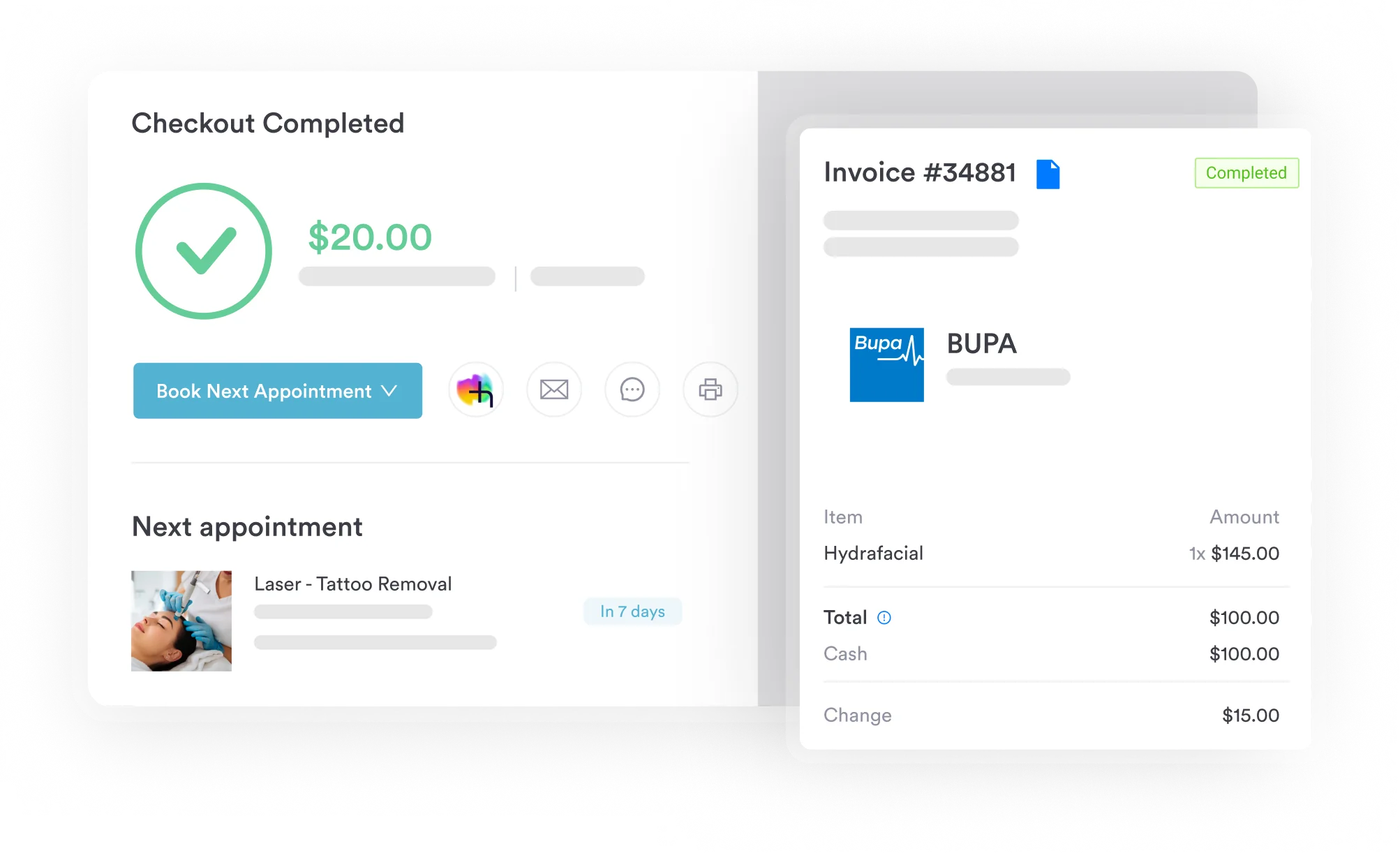
In Pabau, a practice management and billing platform, the pre-authorization code, dates and sessions sit on the patient’s case. Staff see a warning when the code is missing, before the visit is billed.
Pabau also supports insurance billing, including UK claims through Healthcode, with its claims management software. You invoice from the same record that holds the authorization, so the claim and the case agree.
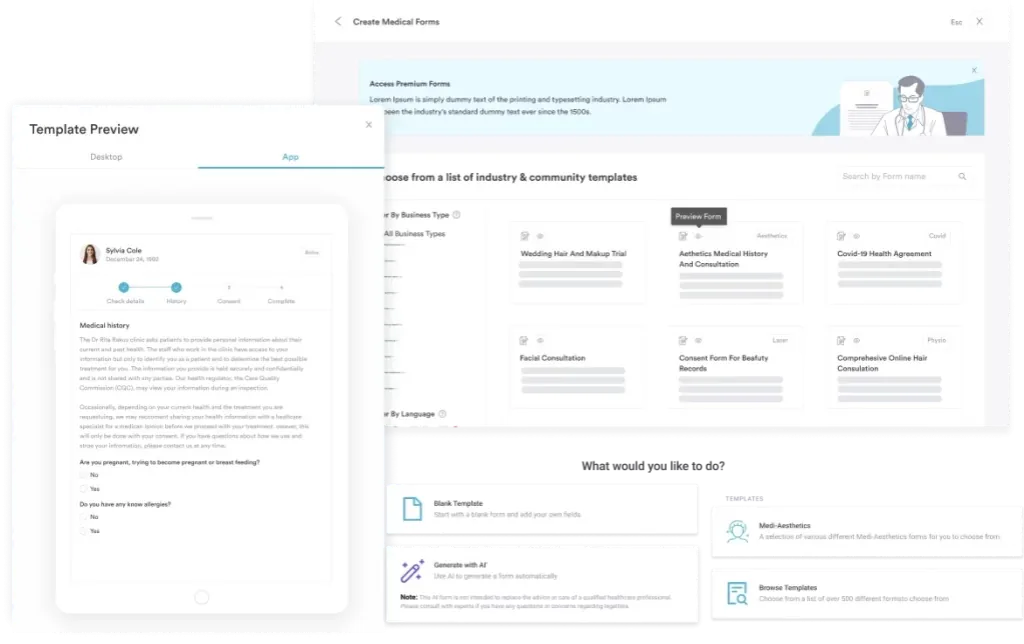
Session notes matter too. Pabau’s digital forms let you add a field for in-person or remote delivery, so the right session code is clear at billing. Practices running physio alongside other services can see the wider setup on our physical therapy EMR page.

Pabau tracks the pre-authorization code, dates and sessions on each case and warns you when a code is missing. UK claims go out through Healthcode.

Drop W9016 from your physio billing. It can’t be confirmed as a CCSD code, and the W range belongs to joint and bone procedures.
Take session codes from each insurer agreement, keep in-person and remote sessions apart, and invoice inside the insurer’s window. A clean code schedule at the front desk saves you a round of returned invoices.
Book a demo to see how Pabau tracks pre-authorizations on each case and sends UK claims through Healthcode.

Billing Bupa patients more widely? Bupa CCSD codes explains how Bupa’s procedure code schedule works and how to submit claims.
Coding a frozen shoulder manipulation? CCSD code W9112 covers one of the genuine W-range joint procedures.
Examining a joint under anesthesia? CCSD code W9240 walks through another W code and what it includes.
Choosing software for a physio practice? Physiotherapy clinic management software compares systems that handle booking, notes and billing together.
Setting up a new physio practice? Opening a physiotherapy clinic covers registration, compliance and insurer relationships.
It can’t be confirmed. W9016 doesn’t resolve on ccsd.org.uk, and no published source links it to physiotherapy. The full schedule needs a login, so check with CCSD or your insurer before billing it.
Use the code and narrative in your Bupa code schedule. Bupa lists AA360 for an initial MSK physiotherapy session and AA361 for a follow-up session.
Bupa, AXA Health, Aviva and Vitality all reference CCSD codes in their provider billing. Confirm each insurer’s own session codes and fees before you submit, because they differ.
Yes, for Bupa patients. Bupa won’t fund physiotherapy performed without pre-authorization, and treatment must start within two calendar months of it. Check other insurers’ terms too.
Six months from the date of treatment. Bupa rejects later invoices, and its contract says you agree not to ask the patient to pay instead.
No. Bupa has separate remote physiotherapy codes, and its contract treats remote sessions billed as in-person as potential fraud.