CPT code 43275: ERCP foreign body removal billing guide
CPT code 43275: Official descriptor and procedure overview CPT code 43275 is def...

Last Updated: Nov 25, 2026
T5900 is the CCSD code for excision of a ganglion. It covers open removal of the cyst together with its stalk, down to the joint capsule or tendon sheath. The code applies at any site, from the wrist and fingers to the foot and ankle, and to re-excision of a recurrent ganglion.
Needle aspiration and arthroscopic excision take different CCSD codes. UK private insurers expect a pre-authorization reference on the invoice and an operative note that confirms the stalk was excised.
Let Pabau's smart automation suggest the right codes, reduce claim denials, and keep your practice compliant—effortlessly.
Automate repetitive tasks and focus on what matters most—your patients.
Reduce coding errors and ensure compliance with the latest regulations.
Clean claims, fewer denials, and faster reimbursements.
Powerful insights and reporting to help your practice thrive.
HIPAA compliant SOC 2 certified GDPR-compliant Trusted by 4,000+ clinics worldwide

CCSD code T5900 covers open surgical excision of a ganglion cyst, not needle aspiration or injection.
The operative note must confirm the stalk was excised down to the joint capsule or tendon sheath for the claim to hold.
UK private insurers expect pre-authorization before elective surgery such as T5900, and a missing reference number is a common reason for rejection.
Aspiration of a ganglion is billed under a separate CCSD code, so T5900 on an aspiration claim is a coding error.
Pabau, a practice management platform, keeps the pre-authorization reference, the operative note and the CCSD invoice in one patient record.
CCSD code T5900 is the CCSD (Clinical Coding and Schedule Development) code for excision of a ganglion. The Clinical Coding and Schedule Development (CCSD) Group files it under CCSD chapter 16.1.0, Connective Tissue/Tendon Muscle, which holds musculoskeletal procedures. The code is used on invoices to UK private medical insurers (PMI), because the schedule covers UK private healthcare only.
The CCSD Group updates the schedule periodically to reflect changes in surgical practice. For procedures outside this chapter, the full list of CCSD codes is the place to start. T5900 describes an open procedure in which the surgeon excises the ganglion sac and its stalk from the underlying joint capsule or tendon sheath. It does not cover needle aspiration or percutaneous cyst puncture, which carry a different CCSD code.
T5900 covers open surgical excision of a ganglion cyst. That includes the cyst sac, its contents, and the stalk connecting the cyst to the underlying joint capsule or tendon sheath. The code applies at any anatomical site, provided excision is the method used. Dorsal wrist ganglia are the most common presentation and arise from the scapholunate ligament. Volar wrist ganglia, digital mucous cysts, and ganglia of the foot or ankle fall within the descriptor too.
The procedure is almost always performed as day case surgery under general or regional anesthesia, or local anesthesia with sedation, with tourniquet control. T5900 covers both a first-time excision and re-excision of a recurrent ganglion at the same anatomical site. For a re-excision, the operative note documents the clinical justification and confirms that the original procedure took place.
Aspiration of a ganglion cyst is not covered by T5900. Aspiration is a non-surgical, office-based procedure in which a needle and syringe drain the cyst fluid, and it is billed under a separate CCSD code. Putting T5900 on an aspiration claim is a coding error. It is also a common cause of denial, because the note will not describe the stalk excision the T5900 descriptor requires.
Arthroscopic excision of a ganglion takes a CCSD arthroscopy code, because T5900 is specific to open excision. Sometimes a ganglion is excised as part of a larger procedure, such as carpal tunnel decompression. In that case, check with the insurer or the CCSD technical guide before you bundle the codes or report them separately.
When in doubt, consult the CCSD technical guide for the most current unbundling and add-on code rules. These rules are updated periodically and vary between insurers. The path below puts these checks in the order a coder meets them on a ganglion claim.
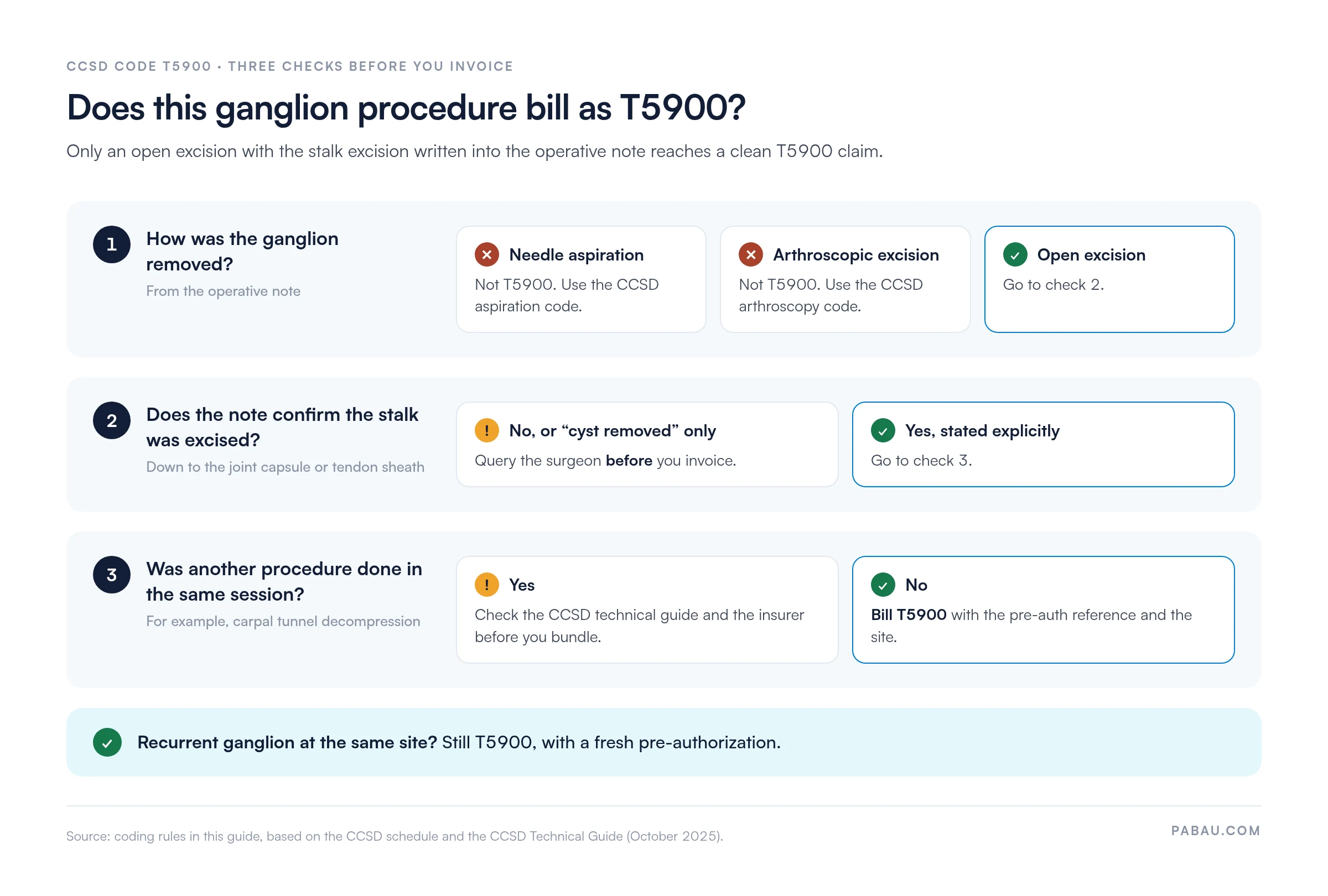
Knowing the surgical steps helps coders check that the operative note supports a T5900 claim. The defining step of a ganglion excision is removal of the stalk down to its attachment on the joint capsule or tendon sheath. That step must appear in the note.
An operative note that says “cyst removed” without confirming stalk excision will not support a T5900 claim on query. A templated operative note reduces this omission by prompting the surgeon to record each step.
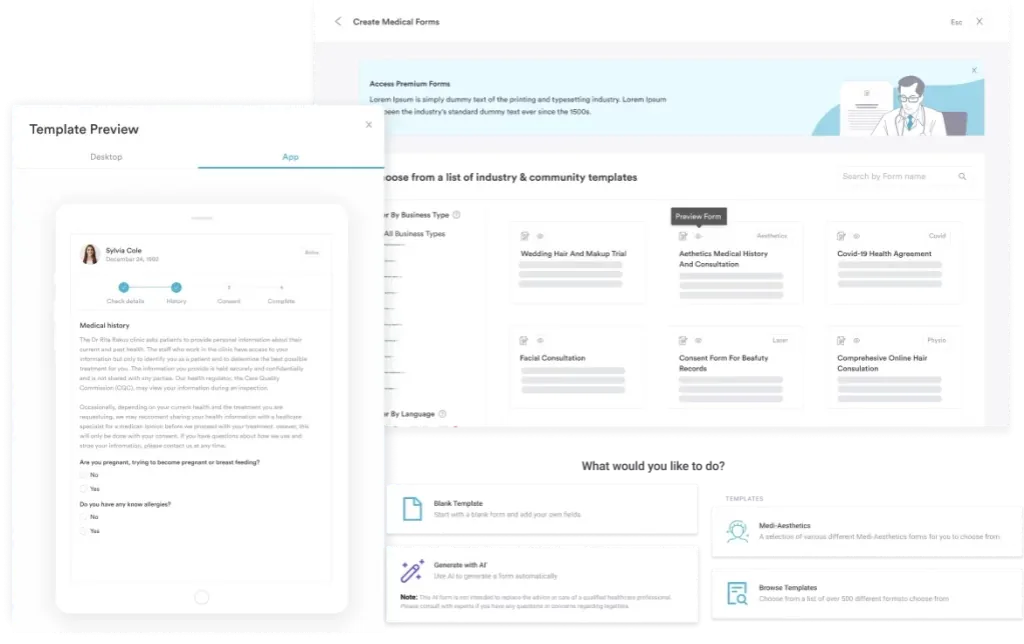
Build your ganglion excision operative note template with prompted fields for tourniquet use, anatomical site, and stalk excision to the joint capsule or tendon sheath. Add fields for any concurrent procedure and for histology, if tissue was sent. A complete note at the time of surgery heads off insurer queries later.
Private medical insurers validate T5900 claims against the clinical documentation submitted with the claim or held on the patient’s record. Alongside a missing pre-authorization, weak documentation is a frequent reason for a T5900 query or denial.
The following elements must be present across the operative note, consultation letter, and consent form for the claim to be accepted without query.
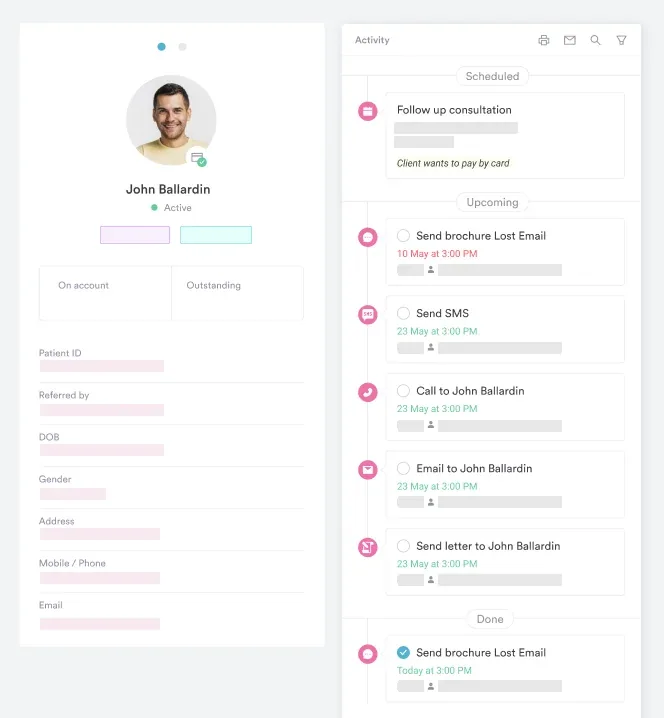
Keeping those documents linked in one patient record makes each element quick to produce when an insurer asks for it.
Ganglion excision is elective surgery, and the major UK private medical insurers require pre-authorization for elective surgery before they pay a claim. The pre-auth reference number must appear on the invoice and, in most cases, on the Healthcode submission. A missing or mismatched reference number is one of the most common reasons a T5900 claim is rejected on first submission.
Authorization rules and timeframes differ between insurers. The table below summarizes the position for the main payers. Rules change, so verify current requirements on each insurer’s provider portal. Bupa’s pre-auth and coding requirements are covered in more depth in the guide to Bupa CCSD codes.
T5900 covers the surgeon’s fee for the excision. The anesthetist bills anesthesia separately with the relevant CCSD anesthetic code. Facility and day case costs are captured through separate hospital or independent sector codes. Knowing which codes sit alongside T5900 lets a practice spot a missing line before submission.
CCSD anesthetic codes are time-based, so the anesthetist’s fee runs from induction to emergence. For a day case ganglion excision, typical operating room time is 30 to 60 minutes, depending on the site and complexity. If the anesthetist submits through your practice, verify the anesthetic code and its time-unit structure with the insurer.
T5900 claims fail for a small number of recurring reasons. Knowing these in advance turns reactive query management into a process you run once at the point of documentation.
T5900 applies to re-excision of a recurrent ganglion at the same anatomical site. The code descriptor does not distinguish between a primary and a secondary procedure, so the code itself is correct for both. What changes is the documentation burden: Insurers treat re-excision as a higher-scrutiny claim and will typically request additional supporting information.
Published recurrence rates after open ganglion excision vary from around 5% to over 20%, depending on anatomical site and surgical technique. Insurers treat recurrence as a recognized clinical event and generally authorize re-excision when the documentation is complete.
For recurrent ganglion cases, attach a brief letter from the treating surgeon to the pre-auth request. It should give the original procedure date, the interval to recurrence, and the examination findings that confirm the cyst has returned. Insurers process these requests faster when the clinical narrative is supplied upfront rather than on query.
Healthcode is the principal electronic billing gateway for UK private medical insurance claims, and most major insurers ask surgeons to submit through it. A T5900 claim moves through five steps from authorization to payment.
Practice management software that generates Healthcode-compatible invoices cuts the manual keying that causes transcription errors in steps 2 and 4.
In many surgical practices, the pre-auth reference sits in an email, the operative note in the hospital system and the invoice in a billing spreadsheet. Each handoff is a chance for the reference, the site or the stalk wording to drop out of the claim.
Pabau’s claims management software holds those pieces in one patient record. Your team builds a CCSD code library once, and each invoice pulls in the patient’s insurer details automatically.
Claims then go to the insurer through Healthcode, and your team tracks their status without switching systems. Fewer claims come back with a query, and queried ones are answered from the same record.
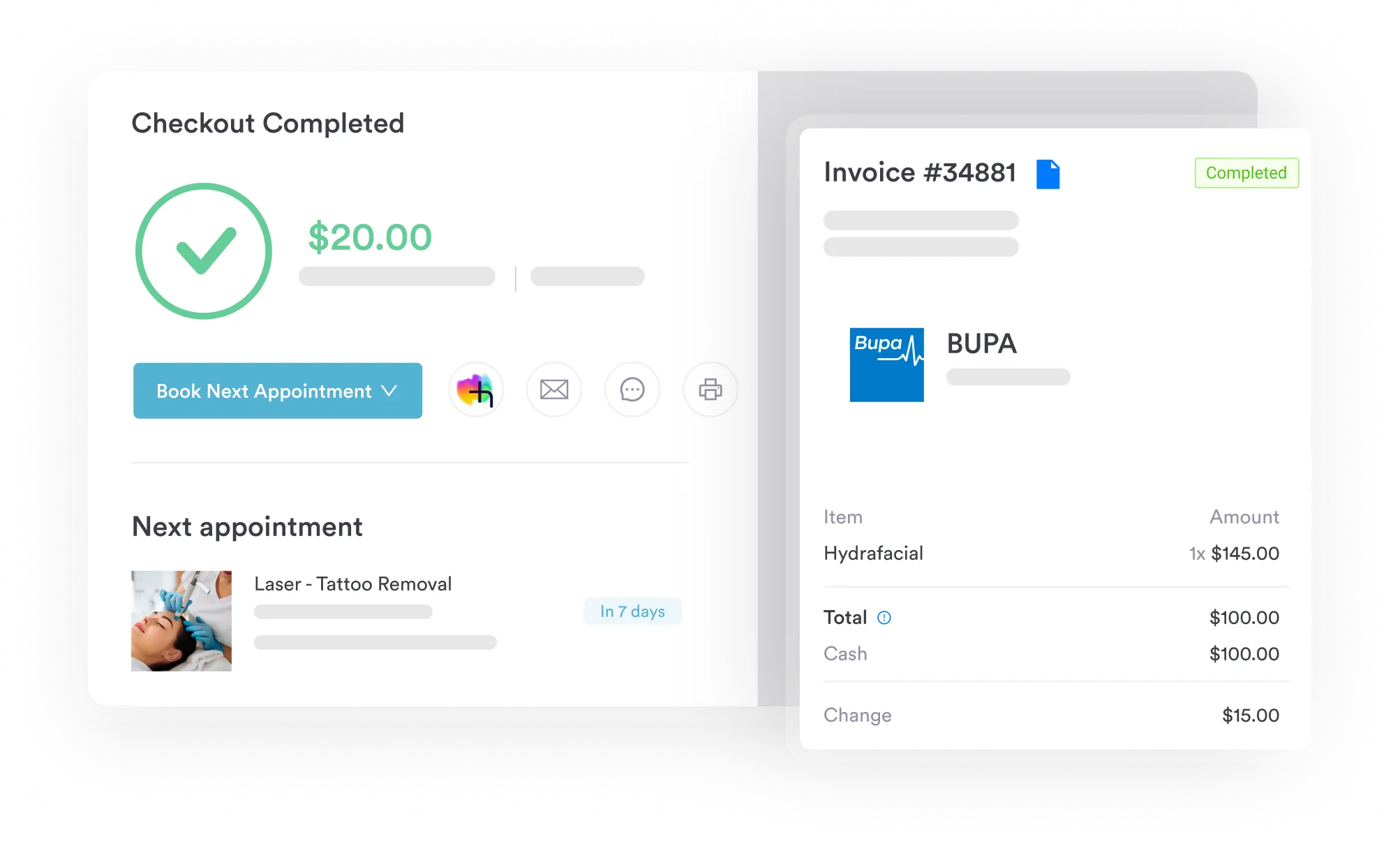

Pabau records the pre-authorization reference, builds CCSD invoices from the patient record and sends claims through Healthcode. Each T5900 claim leaves with its reference and operative note attached.

Choosing T5900 is rarely the hard part of a ganglion claim. The claim stands or falls on two things the coder does not write. One is the surgeon’s wording on stalk excision, and the other is a pre-auth reference obtained before the operation date.
Put both checks into the workflow itself. A note template should ask for the stalk, the site and the tourniquet, and the booking step should confirm a pre-auth reference exists. With both in place, the denials described above stop at source.
Book a demo to see how Pabau carries a ganglion excision from pre-auth to paid invoice in one record.

Need a full reference for Bupa procedure codes? Bupa CCSD codes guide covers Bupa’s fee schedule structure and pre-auth rules for common surgical procedures.
Want fewer claim queries across the practice? Claims management software explains how Pabau tracks CCSD invoices from submission to payment.
Coding other hand surgery? CCSD code T5202 covers Dupuytren’s fasciectomy confined to the palm, and the code that takes over when surgery reaches a finger.
Sending a soft tissue lump for diagnosis first? CCSD code T8100 explains how open biopsy of a muscle or soft tissue lesion is billed.
CCSD code T5900 covers open surgical excision of a ganglion cyst. The cyst sac and its stalk are excised down to the underlying joint capsule or tendon sheath. It applies to ganglia at any anatomical site (wrist, hand, foot, digit) and covers both primary excision and re-excision of a recurrent cyst. It does not cover needle aspiration, which is billed under a separate CCSD code.
No. Aspiration drains the cyst through a needle and syringe, and it is coded under the relevant CCSD aspiration code, separate from open excision. Using T5900 for an aspiration is a coding error that will typically result in claim denial when the operative note does not support surgical excision.
All major UK private medical insurers, including Bupa, AXA Health, Aviva, Vitality Health, Cigna UK, and Healix, require pre-authorization for elective surgical procedures including T5900. The pre-auth reference number must appear on the invoice, and claims submitted without it are routinely returned unpaid.
Yes. T5900 applies to re-excision of a recurrent ganglion as well as a primary excision. A fresh pre-authorization is required for the second procedure, because the original pre-auth does not extend to it. The operative note should state that this is a recurrent presentation and reference the date of the original surgery.
The most common reasons are a missing pre-auth reference on the invoice and an operative note that does not confirm stalk excision. Claims also fail when the site is missing from the note or invoice, or when T5900 is used for an aspiration. Each of these is avoidable with a templated operative note and a pre-auth tracking workflow.
In Pabau, you can store T5900 and its associated anesthetic CCSD codes in a reusable code library. Healthcode-compatible invoices pull in the patient’s insurer details, and claim outcomes are tracked in one dashboard. The claims management feature links the operative appointment, the pre-auth reference and the submitted invoice, so they travel together.