

CCSD code XR940: Foreign body retrieval billing guide
CCSD code XR940 is the UK private healthcare code for retrieval of a foreign bod...

Last Updated: Nov 26, 2026
T2500 is the CCSD code for open repair of incisional hernia not requiring mesh. It covers a hernia through a previous surgical scar, closed by suture through an open incision, with no mesh placed.
A laparoscopic repair, a mesh repair or a recurrence takes a different code. Open repair with mesh is T2501, laparoscopic repair is T2503 or T2720, and a recurrent hernia is T2600 or T2620. K43.2 is the usual ICD-10 pairing for an elective case.
Let Pabau's smart automation suggest the right codes, reduce claim denials, and keep your practice compliant—effortlessly.
Automate repetitive tasks and focus on what matters most—your patients.
Reduce coding errors and ensure compliance with the latest regulations.
Clean claims, fewer denials, and faster reimbursements.
Powerful insights and reporting to help your practice thrive.
HIPAA compliant SOC 2 certified GDPR-compliant Trusted by 4,000+ clinics worldwide

CCSD Code T2500 covers open repair of an incisional hernia not requiring mesh, closed by suture alone with no prosthetic reinforcement.
Mesh repairs, laparoscopic repairs and recurrences take their own codes, including T2501, T2503, T2720, T2600 and T2620.
K43.2 (incisional hernia without obstruction or gangrene) is the usual ICD-10 pairing for an elective T2500 case.
The operative note must state that no mesh was used, because insurers check the note against the billed code.
Practice software such as Pabau sends CCSD claims to UK insurers and keeps the operative note on the same patient record.
CCSD Code T2500 is the UK private billing code for “Open repair of incisional hernia not requiring mesh.” The narrative appears word for word in the CCSD Group’s own records. Each part of it carries billing weight.
The CCSD Schedule is maintained by the Clinical Coding & Schedule Development Group, set up by UK private insurers and hospital providers. Consultants and hospitals use it to bill private insurers. It is not a subset of OPCS-4, the NHS procedure classification, and the two systems are not interchangeable. An OPCS-4 code on a private insurer claim is likely to be returned or queried.
An incisional hernia is a protrusion of abdominal contents through a fascial defect at the site of a previous abdominal incision. Common precursor wounds include midline laparotomy scars, Pfannenstiel incisions, flank incisions and port sites from earlier laparoscopic surgery. The hernia may present years after the original operation.
T2500 applies only when the hernia is incisional in origin. A primary epigastric or umbilical hernia billed as T2500 is miscoded, and the claim is likely to be queried on audit.
Knowing the surgical steps helps coders confirm that the operative note supports T2500 rather than a neighbouring code. An open incisional hernia repair without mesh follows this sequence:
The decision not to use mesh is a clinical judgement. Surgeons may choose primary closure for a small defect or where tissue quality supports a durable closure. Mesh may also be contraindicated, for example by active infection, immunosuppression or prior mesh complications. The operative note should state this rationale, because insurers can ask why a hernia repair was billed without a mesh code.
T2500 is a narrowly defined code. The table below sets out what it includes and what falls outside its scope.
T2500 sits within a family of incisional hernia repair codes in CCSD sub-chapter 11.9.0, Abdominal Wall. Selecting the wrong code causes avoidable rejections. Three facts separate the codes: the surgical approach, whether mesh was placed, and whether the hernia is a recurrence. The grid below maps each combination to its code.
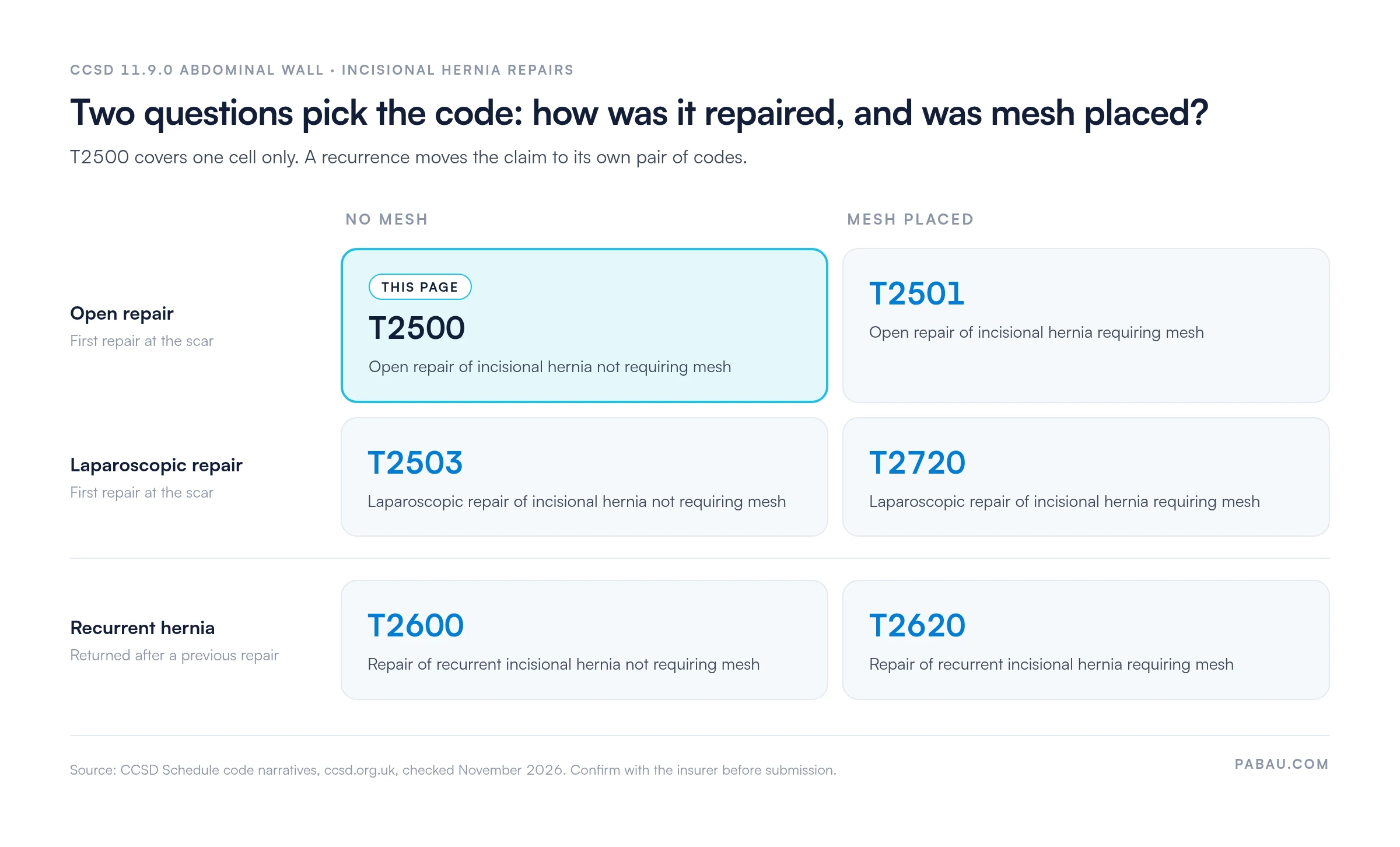
Robotic-assisted repairs carry codes of their own, so check the schedule when the operation was robotic. Check the Healix fee schedule and your insurer’s own fee finder, such as Aviva’s provider pages, to confirm the code is recognised. Confirm the fee band there too. Fee schedules change, so never rely on a figure from a prior year.
For other abdominal wall and general surgery procedures, start from our complete CCSD code reference.
Every CCSD procedure code claim needs a matching ICD-10 diagnosis code. For T2500, the right ICD-10 code depends on how the hernia presented at the time of surgery.
K43.2 is the pairing for most elective T2500 claims. K43.0 and K43.1 signal urgent or emergency presentations, which can change pre-authorisation requirements and the fee band. Check each ICD-10 code against the current edition and the insurer’s own requirements before submission. Insurer acceptance lists occasionally differ from the full WHO classification.
UK private insurers audit claims by checking the operative note against the billed code. For T2500, the note must leave no doubt about the approach or mesh use. Use this checklist when you prepare or review claim documentation. Keeping the operative note on the patient record makes it quick to retrieve when an insurer asks for evidence.
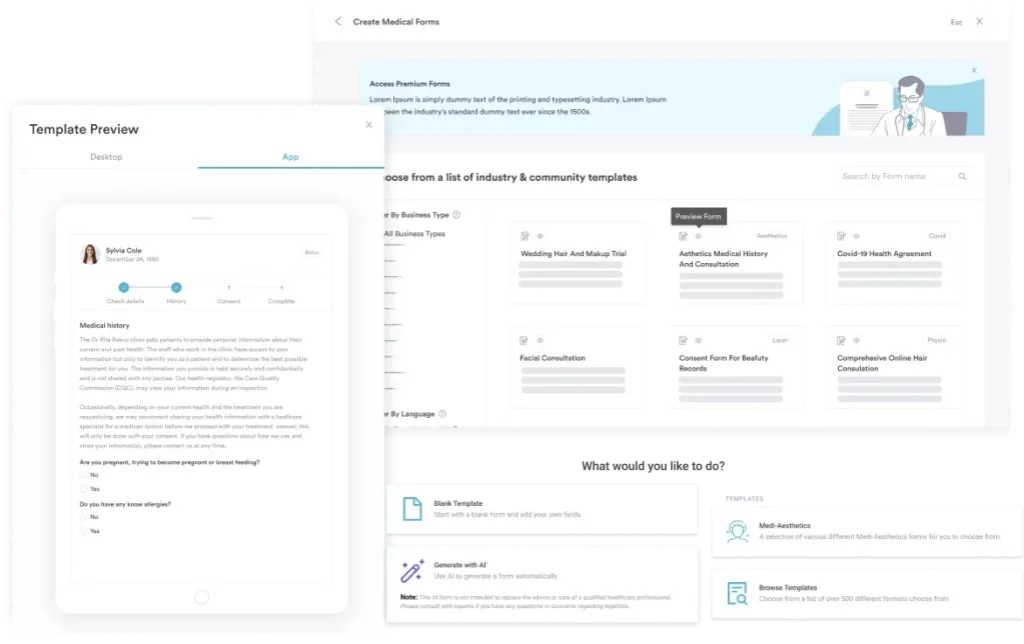
The operative note and claim correspondence are also patient records under UK GDPR. NHS records guidance sets eight years for adult records, and many private practices follow the same retention period. Build it into your record management workflow from the start.
Most UK private insurers require pre-authorisation before elective incisional hernia surgery. Insurers use it to confirm the procedure falls within the patient’s cover, the consultant is recognised and the planned CCSD code matches the indication. Skipping it is the most avoidable reason a T2500 claim is rejected. Bupa is the largest UK private medical insurer, and the Bupa CCSD billing guidance covers its steps.
The table below summarises pre-authorisation requirements by insurer. Policies change, so always check the insurer’s provider portal before proceeding.
Emergency and urgent presentations, such as a strangulated hernia or obstruction with bowel compromise, may bypass the standard pre-authorisation pathway. Notify the insurer as soon as practicable, and document the clinical urgency clearly in the notes.
Record the pre-authorisation reference number in the patient file when it is issued, not retrospectively. Add a pre-auth reference step to your booking workflow for every elective procedure. Once the reference is captured up front, billing staff no longer chase it before submission, and a common cause of T2500 claim delays disappears.
T2500 claims are denied for a predictable set of reasons, and most are preventable with a documentation check before submission. The table reflects general UK private billing practice. Individual insurer rationales vary, so confirm them with each insurer’s provider team.
Audit T2500 claims once a month before they leave the practice. Check three fields on every claim. The operative note states no mesh was used, the pre-auth reference is present, and the consultant recognition number matches the insurer’s records. These three checks catch the denial patterns in the table above before the insurer sees them.
A recurrent incisional hernia returns at the same scar after a previous repair. CCSD codes these repairs separately rather than under T2500. T2600 covers repair of recurrent incisional hernia not requiring mesh, and T2620 covers the same repair requiring mesh. T2640 applies when previously inserted mesh has to be removed. Confirm the code against the CCSD Schedule or with the insurer before submission, because insurers can apply their own rules.
Three documentation points are critical for recurrence cases:
Accurate submission runs through several checkpoints, and the steps below apply to any UK private practice billing CCSD codes. Pabau, a practice management platform for private practices, offers insurer-ready claims management for this workflow. A T2500 claim moves from procedure coding to payment reconciliation on one patient record.
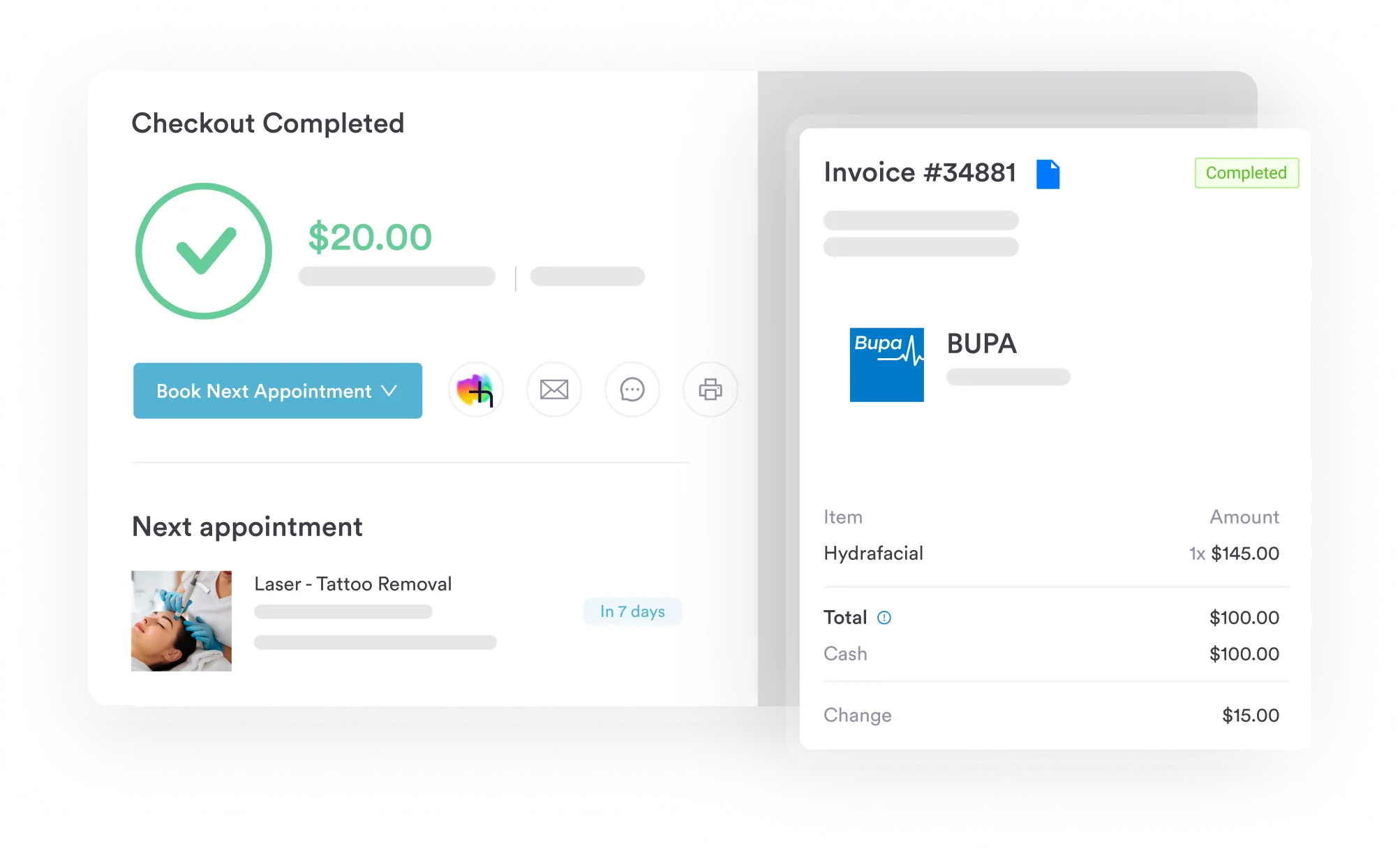
In many practices the operative note sits in one system, the pre-authorisation number in an email and the claim in an insurer portal. Each handover is a chance for the no-mesh statement or the reference number to go missing.
Pabau keeps those pieces on one patient record. Its digital forms hold the operative note template, so a no-mesh line can sit in every hernia note by default. Claims then go to UK insurers through Healthcode from the same record, with the CCSD code and ICD-10 diagnosis attached.
The insurer gets a claim it can match to the note on first review. Your billing team spends less time answering queries and more time on new claims.

Pabau keeps CCSD code entry, UK insurer claim submission and operative documents on one patient record. Your team can submit accurate T2500 claims without switching between systems.

T2500 is a narrow code, and its narrowness is the point. Bill it only when the note shows an open approach, a first incisional hernia repair and no mesh. Every other combination belongs to a neighbouring code, and a recurrence belongs to T2600 or T2620.
The denials covered here trace back to documentation, not coding doubt. Fix them at source with a no-mesh line in the operative note template and a pre-authorisation step at booking. Neither change takes long, and both cut the rework that follows an insurer query.
Book a demo to see how Pabau keeps the operative note, the pre-authorisation reference and the CCSD claim on one patient record.

Need the full picture on Bupa CCSD billing? Bupa CCSD codes guide covers Bupa’s procedure code framework, fee schedule structure and submission requirements for UK private practices.
Looking to manage private healthcare billing more efficiently? Claims management software from Pabau supports CCSD code entry, insurer submission and payment reconciliation in one workflow.
Billing a recurrent groin hernia instead? CCSD Code T2102 covers laparoscopic recurrent hernia repair and the documentation insurers expect for it.
CCSD Code T2500 covers the open repair of an incisional hernia where the fascial defect is closed by suture without mesh reinforcement. The code applies to the open approach only. Laparoscopic repairs and any repair using mesh take different CCSD codes.
Use T2500 when the operative note confirms an open repair with no mesh placed. Use T2501 (open with mesh) instead if any prosthetic or biological mesh was inserted. The operative findings decide the code, not the planned procedure or the pre-authorised code.
K43.2 (incisional hernia without obstruction or gangrene) is the standard pairing for elective T2500 cases. K43.0 (with obstruction, without gangrene) applies to urgent presentations where the hernia is obstructed but not ischaemic. Verify the correct code against the current ICD-10 edition and the specific insurer’s accepted code list before submission.
Not usually. CCSD has separate codes for recurrent incisional hernia, including T2600 for repair not requiring mesh and T2620 for repair requiring mesh. Confirm the code with the insurer before submission, and record why mesh was or was not used.
The usual reasons are a missing no-mesh statement in the operative note and missing pre-authorisation or its reference number. Others are a code mismatch between T2500 and T2501, the wrong ICD-10 diagnosis, and a missing or unrecognised consultant reference number. Each can be corrected on resubmission with supporting documentation.



