CCSD Code T8950: Repair of perilymph fistula billing guide
CCSD Code T8950: Definition and clinical overview CCSD Code T8950 is the tariff ...

Last Updated: Nov 20, 2026
S4780 is the CCSD code for aspiration of subcutaneous haematoma, where blood collected under the skin is drawn off through a needle and syringe. It sits in Chapter 1 of the CCSD schedule, under simple procedures, and UK private medical insurers read it on specialist invoices.
The method and the site decide the code. A hematoma opened through an incision is a drainage code such as S4740, and the breast, ear and salivary glands have their own codes.
Let Pabau's smart automation suggest the right codes, reduce claim denials, and keep your practice compliant—effortlessly.
Automate repetitive tasks and focus on what matters most—your patients.
Reduce coding errors and ensure compliance with the latest regulations.
Clean claims, fewer denials, and faster reimbursements.
Powerful insights and reporting to help your practice thrive.
HIPAA compliant SOC 2 certified GDPR-compliant Trusted by 4,000+ clinics worldwide

CCSD code S4780 covers aspiration of a subcutaneous hematoma, where blood collected under the skin is drawn off through a needle and syringe.
It sits in Chapter 1 of the CCSD schedule, under simple procedures, and Bupa’s schedule places it in its Minor 1 fee category.
An incision changes the code, so a large abscess or hematoma drained through a cut is S4740 rather than S4780.
Hematomas of the breast, the pinna of the ear and the salivary glands have their own codes: B3310, D0410 and F4600.
The note should record the site, size, technique, anesthesia, volume aspirated and consent, and pre-authorization is checked per insurer.
CCSD code S4780 is billed when a clinician drains a hematoma that sits under the skin with a needle and syringe, with no incision. The Clinical Coding & Schedule Development Group (CCSD) lists it as Aspiration of subcutaneous haematoma.
It is one of the smallest procedures in the schedule. A bruise has pooled into a tense, fluctuant swelling, and the clinician draws the blood off to relieve pressure and pain. The visit is short and usually happens in an outpatient room.
The CCSD schedule is the coding set UK private medical insurers read on specialist invoices. The Group defines the codes but doesn’t set fees. Each insurer applies its own fee schedule and cover rules to S4780.
A subcutaneous hematoma is a collection of blood in the fatty layer beneath the skin. It often follows a knock, a fall or a procedure, and it is more likely in patients on anticoagulants.
Many small hematomas are left to settle on their own over weeks. Aspiration earns its place when the collection is large, tense or painful, or when it threatens the skin over it. In those cases the clinician typically:
Timing matters. Once the blood has clotted, a needle often can’t clear it, and the clinician has to open the skin instead. At that point the procedure is a drainage, and the code usually moves to S4740.
Most coding errors with S4780 come from two questions. Was the blood drawn off through a needle, or through an incision? And does the hematoma sit somewhere the schedule gives its own code?
The CCSD code details for S4780 list S4740, B3310, D0410 and F4600 as exclusions. In practice, that means the site or the method has already picked a different code. Descriptors and fee categories in the table come from Bupa’s schedule, as listed in our Bupa CCSD codes reference.
The full coding notes sit behind a registered login on the CCSD website. Check the current entry before you put S4780 on the same invoice as any of those codes.
Take an illustrative case. A patient on an anticoagulant trips on a step and develops a tense swelling over the front of the shin. Three days later it is painful and the skin over it looks stretched.
The clinician finds a fluctuant collection of about 6 cm by 4 cm. After an antiseptic skin prep and a little local anesthetic, they aspirate 40 ml of dark, liquid blood through a needle. A compression dressing goes on, and the patient is booked for a wound check.
The note records the site, size, technique, volume and consent, so the invoice goes in as S4780. Had the blood clotted and needed an incision, the same visit would have been coded as a drainage instead.
An aspiration note is short, but an insurer reviewing S4780 expects it to show what was done and why. Record these details at the time of the procedure:
UK insurers expect a WHO ICD-10 diagnosis on the invoice, not a US ICD-10-CM code. The diagnosis should explain where the hematoma came from. These are common starting points, coded to the character the insurer asks for.
Keep the diagnosis, the note and any pre-authorization consistent. A shin contusion on the invoice and a thigh site in the note is a quick way to get a claim queried.
An aspiration claim is small, so it rarely justifies chasing paperwork. In Pabau, a practice management platform, the note, the consent and the invoice sit on one patient record.
Your clinician completes a structured aspiration note with the site, size and volume. The signed consent sits beside it. If the insurer queries the claim, your team answers from the record instead of a paper folder.
For UK claims, Pabau’s claims management sends invoices to insurers through its Healthcode integration. It checks each claim before submission and tracks its status afterward.
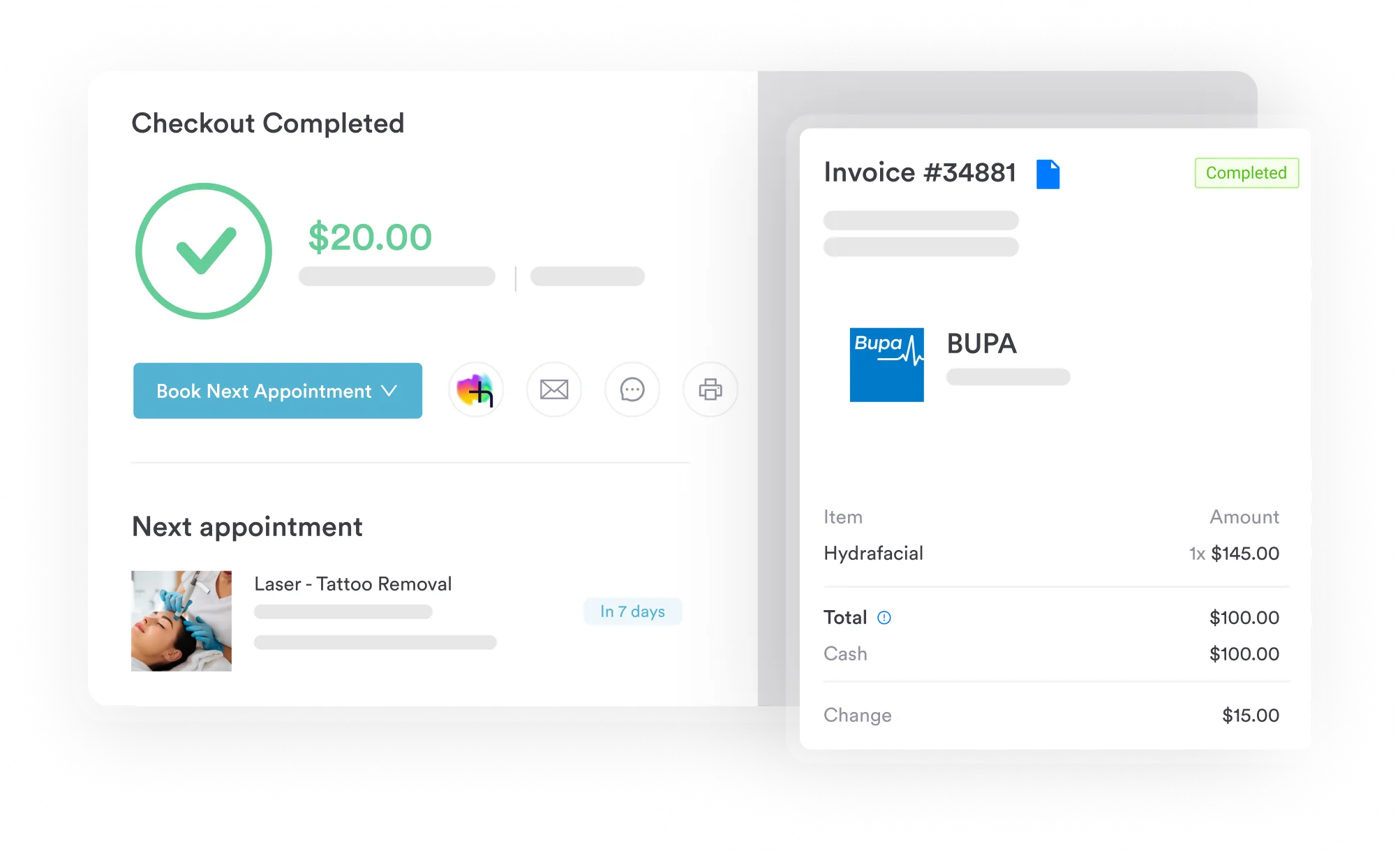

Pabau keeps your procedure notes and consent beside each invoice. UK claims go to insurers through Healthcode, checked before they leave.

S4780 comes down to two facts in the note. The blood came out through a needle, and the hematoma sat under the skin somewhere the schedule doesn’t code by site. If both hold, the code picks itself.
If either fails, stop before you invoice. An incision points to a drainage code, and a breast, ear or salivary gland site has its own entry. Checking that first costs a minute and saves a query.
Book a demo to see how Pabau keeps procedure notes, consent and insurer invoices on one record.

Opened the collection instead? CCSD code S4740 covers drainage of a large subcutaneous abscess or hematoma.
Treating a hematoma of the ear? CCSD code D0410 explains billing for drainage of a pinna hematoma or abscess.
Draining a salivary gland? CCSD code F4600 covers incision or drainage of a salivary gland abscess or hematoma.
Billing Bupa for minor procedures? Bupa CCSD codes lists Bupa’s codes with their fee categories.
Need the wider CCSD picture? CCSD codes explains how specialists and UK insurers use the schedule.
It depends on the insurer and the patient’s policy, so check before the procedure. If the insurer issues an authorization number, put it on the invoice.
No. Fine needle aspiration cytology is S4760 in Bupa’s schedule. S4780 is for draining a hematoma, not taking a sample.
A repeat aspiration on a later date is a separate procedure with its own note. Check the insurer’s rules on repeat procedures before you invoice it again.
No. NHS hospitals record procedures in OPCS-4, the NHS procedure classification. CCSD codes such as S4780 are used on invoices to UK private medical insurers.
Our February 2026 Bupa CCSD reference lists S4780 in the Minor 1 category at £103. Bupa sets and updates its own fees, so check its current schedule before you quote a patient.