CCSD Code T8950: Repair of perilymph fistula billing guide
CCSD Code T8950: Definition and clinical overview CCSD Code T8950 is the tariff ...

Last Updated: Nov 20, 2026
S4740 is the CCSD code for drainage of large subcutaneous abscess/haematoma.
Let Pabau's smart automation suggest the right codes, reduce claim denials, and keep your practice compliant—effortlessly.
Automate repetitive tasks and focus on what matters most—your patients.
Reduce coding errors and ensure compliance with the latest regulations.
Clean claims, fewer denials, and faster reimbursements.
Powerful insights and reporting to help your practice thrive.
HIPAA compliant SOC 2 certified GDPR-compliant Trusted by 4,000+ clinics worldwide

S4740 is the CCSD code for drainage of a large subcutaneous abscess or haematoma, billed to UK private medical insurers.
A small skin abscess drained through the skin belongs to S4720, and a haematoma emptied with a needle belongs to S4780.
S4780 and S4213 are listed as unacceptable combinations with S4740, so neither should share the claim for the same site.
Pair S4740 with an L02 cutaneous abscess code, or with an injury or post-procedural code that names the haematoma.
Record the collection’s size, site and drainage method in the note, because the descriptor’s “large” is what an insurer will question.
CCSD code S4740 covers the drainage of a large subcutaneous abscess or haematoma, a collection of pus or blood under the skin. The schedule is run by the CCSD Group, made up of representatives from four major private healthcare insurers. Bupa, AXA Health and the other UK private medical insurers use it to process surgeons’ claims.
The official descriptor reads “Drainage of large subcutaneous abscess/haematoma”. It sits with the skin lesion codes in the schedule, and the full CCSD codes reference explains how the chapters are organized.
The word that matters is “large”. The descriptor itself sets no size cut-off, so the operative note has to carry that argument. Record the collection’s dimensions in centimetres, its depth, and why it needed a formal incision rather than a quick lance.
S4740 makes no distinction between pus and blood. An infected abscess on the back and a post-traumatic haematoma on the thigh bill under the same code. The diagnosis code is what tells the insurer which one it was.
Knowing the steps helps a billing team spot a thin operative note before the insurer does. A typical S4740 drainage runs like this:
Each of those steps belongs in the note. Size, depth, contents and the packing or drain are the four details an insurer’s reviewer looks for first.
Three skin codes cover collections under the skin, and they’re easy to mix up. The table sets them side by side with the two codes most often claimed alongside them.
The S4720 boundary causes the most queries. If the note describes a small boil lanced in a few minutes, S4740 will look like upcoding. If it describes a 6 cm cavity broken down and packed, S4720 undersells the work.
The CCSD schedule lists unacceptable combinations, pairs of codes that shouldn’t be claimed together for the same site and sitting. Four involve S4740:
The schedule is login-gated and revised over time. Check the current combination list on the CCSD website before you add any second code to the claim.
UK insurers expect a diagnosis from the WHO ICD-10 classification the NHS uses, not the US ICD-10-CM version. The WHO ICD-10 browser lists the codes below. Choose by what the collection was and where it sat.
Watch the post-operative case. A haematoma drained after another surgeon’s operation may fall under that episode’s complication rules. Check the policy before you claim S4740 as a fresh procedure.
Here’s how a straightforward claim moves. The patient and figures are illustrative, but the order of events is what keeps the claim clean.
Change one detail and the picture shifts. Had the surgeon aspirated a haematoma with a needle instead, the claim would be S4780 with an injury code, and S4740 would be wrong.
Run through this list before the claim leaves the practice. Two minutes here saves weeks of back-and-forth with an insurer.
Most S4740 queries trace back to a handful of avoidable errors. Each one has a straightforward fix.
Fees and authorisation rules vary by insurer and change with each policy year. The Bupa CCSD codes guide shows how one major insurer applies the schedule.
An S4740 claim is small, but it pulls on three records at once. There’s the clinical note proving the collection was large, the authorisation reference, and the claim itself. When those live in different places, the query a month later means hunting through all three.
Pabau, a practice management platform with UK insurance billing built in, sends claims through Healthcode and BUPA from the patient’s record. The authorisation code, its dates and sessions are tracked on the case, with a warning when one is missing. Your team sees that before the procedure, not after the rejection.
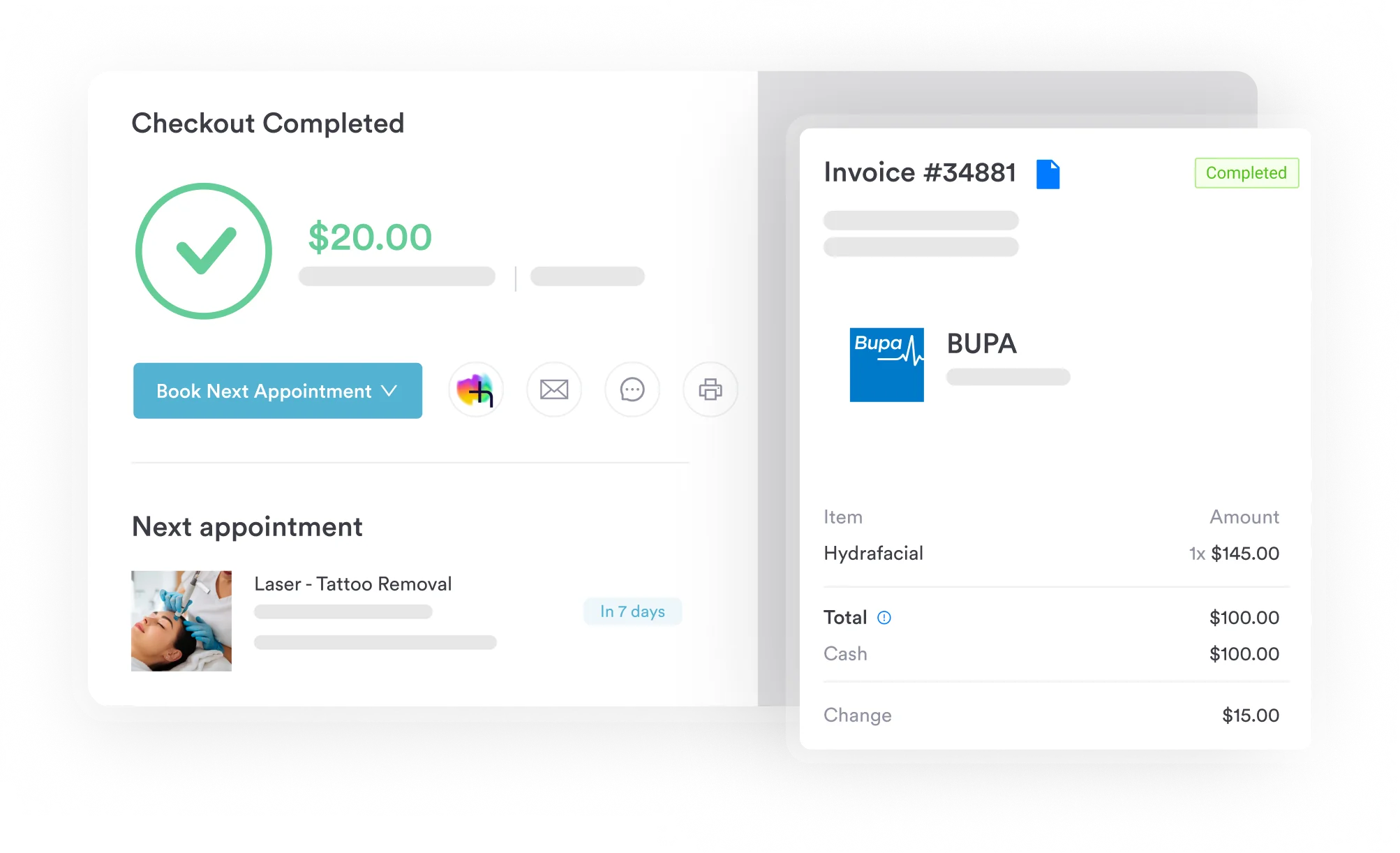
The operative note sits in the same patient file. Practitioners record size, depth and contents in a structured form at the point of care, and the medical records software keeps it beside the claim.
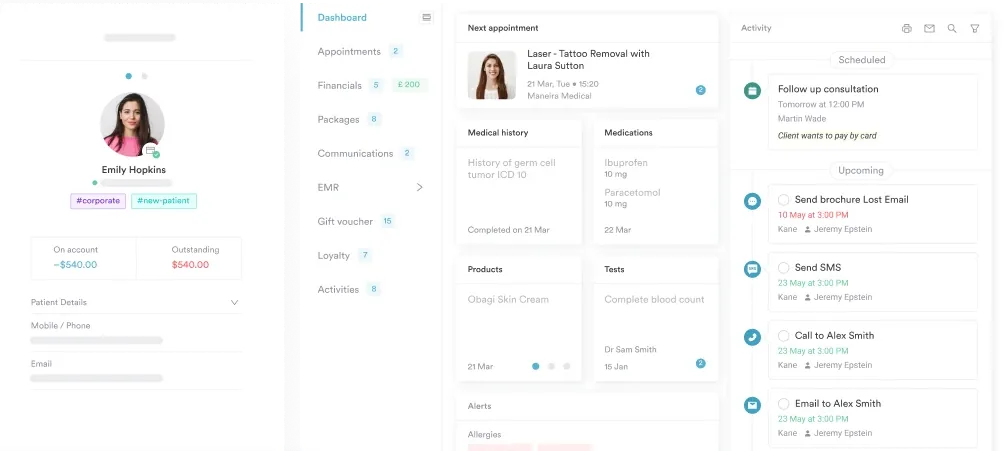

Pabau sends UK insurance claims through Healthcode and BUPA and tracks the authorisation code on the case, with a warning when one is missing. Your team answers insurer queries from one record.

S4740 lives or dies on one word in its descriptor. A note that measures the collection and describes a formal drainage supports “large”, and the claim goes through. A note that just says “abscess drained” invites a downgrade to S4720.
So make size and technique a habit of the note, not a fix after the query. Keep S4720, S4780 and S4213 off the claim, and send breast abscesses to B3310.
Book a demo to see how Pabau keeps the drainage note, the authorisation code and the insurer claim on one record.

Need the whole schedule in one place? CCSD codes explains how the schedule is organized and how UK insurers use it.
Billing Bupa for a skin procedure? Bupa CCSD codes covers how Bupa applies the schedule and its payer-specific rules.
Closing a superficial wound instead? CCSD code S4213 sets out the rules for debridement and primary suture on the trunk and limbs.
Checking what a procedure pays? Bupa procedure codes and fee schedule explains how the fee schedule works and where to confirm a current rate.
No. S4740 belongs to the CCSD schedule, which UK private medical insurers use to process claims. OPCS-4 is the classification the NHS uses to record procedures, so a privately funded drainage is claimed under CCSD.
Each insurer sets its own fee. The CCSD Group publishes codes and descriptors, not prices. Check the insurer’s current fee schedule or provider portal for the rate that applies to your practice.
Local anaesthetic given by the surgeon is part of the procedure. If an anaesthetist gives a general anaesthetic, they submit their own claim, quoting the same episode and authorisation reference.
Usually, yes, for a planned drainage. Rules differ by insurer and policy, so confirm with the insurer before the procedure. An urgent drainage may be authorised retrospectively, so log when you contacted them.