

HCPCS code E0198: Water pressure pad billing guide
HCPCS code E0198 is a water pad for a standard mattress HCPCS code E0198 is the ...

Last Updated: Oct 13, 2026
E3900 is the CCSD code for partial excision of trachea with reconstruction. It covers removing a diseased or narrowed segment of the trachea and joining the remaining ends in the same operation, billed as one item.
UK private medical insurers, including Bupa, AXA Health and Aviva, use the CCSD schedule for procedure billing. E3900 covers the surgeon's professional fee only, so the anesthetist and the hospital bill separately.
Let Pabau's smart automation suggest the right codes, reduce claim denials, and keep your practice compliant—effortlessly.
Automate repetitive tasks and focus on what matters most—your patients.
Reduce coding errors and ensure compliance with the latest regulations.
Clean claims, fewer denials, and faster reimbursements.
Powerful insights and reporting to help your practice thrive.
HIPAA compliant SOC 2 certified GDPR-compliant Trusted by 4,000+ clinics worldwide

CCSD Code E3900 covers partial excision of trachea with reconstruction, billed as one bundled item for both the resection and the airway rebuild.
Primary indications include tracheal stenosis, tracheal tumors, and tracheomalacia, and each needs a paired ICD-10 diagnosis code on the claim.
Operative notes must document the extent of resection, the reconstruction technique, and medical necessity, or claims are routinely denied.
Pabau’s claims management software checks that details like membership numbers and authorization codes are in place before an E3900 claim can be sent.
CCSD Code E3900 is the procedure code for partial excision of trachea with reconstruction. UK private health insurers, including Bupa, AXA Health, Aviva, VitalityHealth, and Healix, all recognize it. The code is a single bundled item that covers both the resection of the diseased segment and the immediate rebuild of the airway.
Billing the resection and the reconstruction as separate line items is an unbundling error. It is also a common reason claims are reversed on audit.
E3900 sits in chapter 5 (ear, nose and throat) of the schedule, under larynx and trachea, alongside its neighbors in the CCSD code library. It applies when a surgeon excises a defined segment of the trachea and restores airway continuity in the same session. Procedures that only decompress, dilate, or stent the trachea take a different code.
Partial tracheal excision with reconstruction follows a well-established surgical sequence. Knowing each step helps coders confirm that the operative note supports E3900 rather than a lesser or alternative code.
An operative note that describes steps 3 to 5 in clinical detail is the foundation of a defensible E3900 claim. Record the segment length resected, the anastomotic technique, and any release maneuvers. A diagnostic endoscopy done in an earlier session is its own claim, such as E4510 for a fiberoptic examination of the trachea.
Partial tracheal excision with reconstruction is indicated when a tracheal lesion causes significant airway compromise that endoscopic treatment alone can’t manage. The three main indications are tracheal stenosis, tracheal tumors, and tracheomalacia.
Diagnosis codes for tracheal conditions vary across ICD-10 editions. The table reflects commonly used pairings, so check each one against the edition your insurer requires before submitting.
Private health insurers applying CCSD billing rules assess E3900 claims against the operative note and supporting records. Thin documentation is the most preventable cause of denial. The operative note should contain each of the following.
A structured operative template that prompts surgeons for each of these fields stops a missing element from reaching the billing team. It takes a few minutes to complete and cuts the back-and-forth between surgeons and coders.
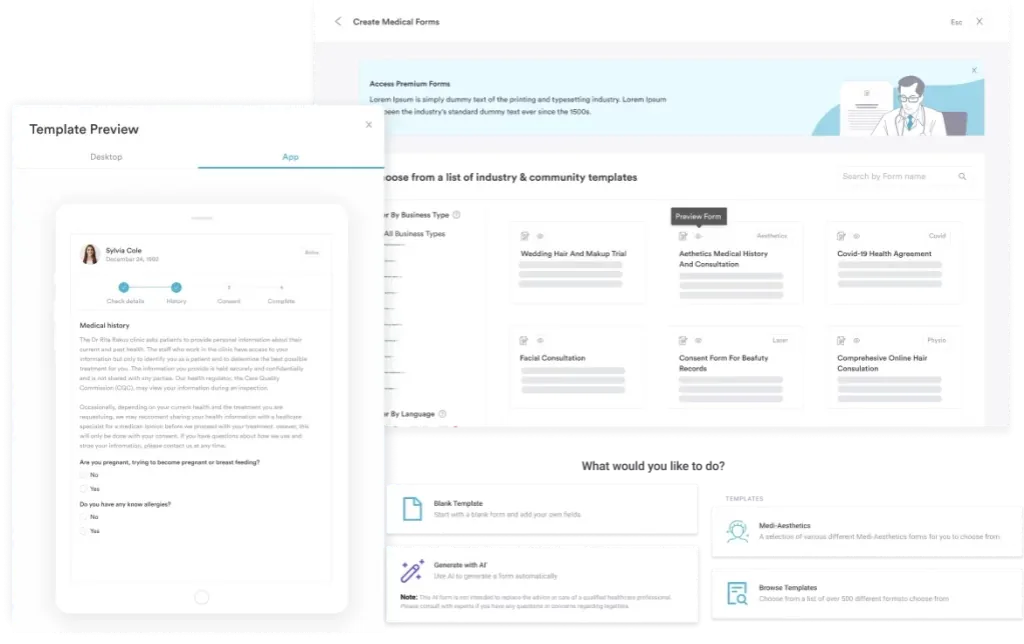
The billing workflow for E3900 follows the same sequence as other major CCSD surgical procedures. Two steps cause most of the problems: prior authorization and modifier selection.
Most UK private health insurers require pre-authorization for major thoracic and ENT procedures, including partial tracheal excision. Requirements vary by insurer, policy type, and whether the case is an emergency or elective. Contact the insurer before the procedure is scheduled, because retrospective authorization is granted inconsistently.
For Bupa cases, the Bupa CCSD codes guide covers the current authorization pathway for surgical ENT codes. A standard pre-authorization request includes the referring clinician’s letter, the imaging report, the bronchoscopy findings, and the proposed procedure with its CCSD code.
CCSD modifier conventions differ from US CPT modifier rules. These situations come up most often with E3900 claims.
Insurers update modifier and multiple-procedure rules each year, so confirm them in each insurer’s current provider manual. The Healix fee schedule and Vitality fee finder list procedure-specific fees for your practice.
Ask for written pre-authorization that names E3900 by code number. A verbal approval, or a generic letter without the CCSD code, is weak evidence if the insurer later queries the claim.
Tracheal coding errors usually come from picking a code for a smaller intervention when the notes support E3900, or the reverse. The table below sets out the CCSD codes in the same procedural area.
When in doubt, two questions settle it, as the diagram below shows. Was a tracheal segment excised, and was the airway restored by direct anastomosis? If the answer to both is yes, E3900 is the correct code. Endoscopic treatment, stenting, tracheostomy formation, or a cartilage-graft reconstruction takes a different code.
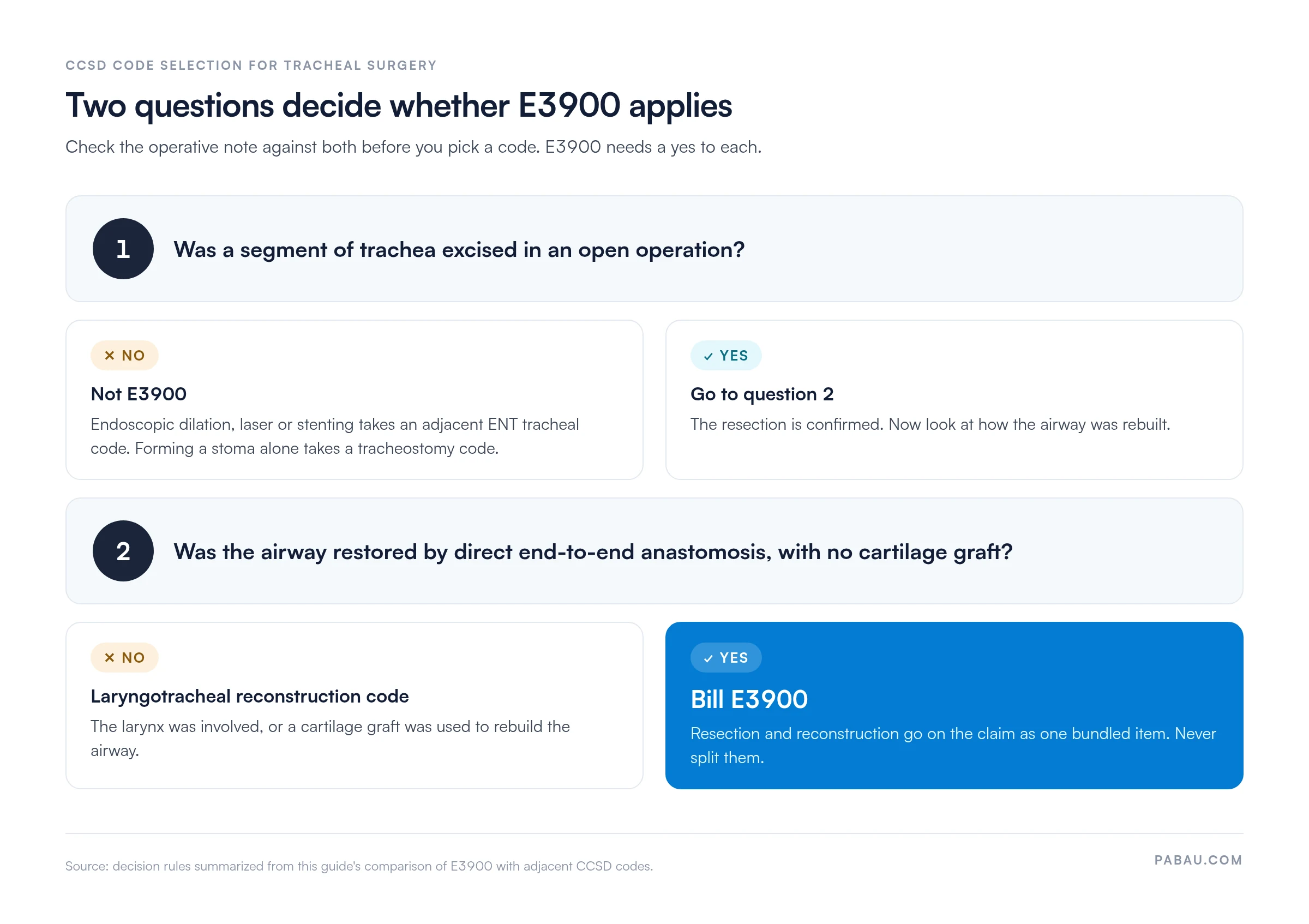
Denial patterns for high-value surgical codes like CCSD Code E3900 are consistent across insurers. Most denials fall into one of five categories, and each can be fixed before the claim leaves the practice.
A pre-submission check against the operative note template catches the documentation and coding errors. For the administrative ones, error-checked claims management helps. Pabau, for example, keeps a claim from sending until details such as membership numbers and authorization codes are filled in.
Every E3900 claim needs a paired diagnosis code that confirms the clinical indication. These ICD-10 codes are the ones most often paired with partial tracheal excision in UK coding practice. Codes are updated annually, so check them against your insurer’s current edition before submitting.
The insurer’s clinical reviewer cross-references the ICD-10 code against the operative note. Pairing E3900 with J98.9 (respiratory disorder, unspecified) prompts a query in most cases. Use the most specific code available, backed by imaging and endoscopy reports.
Malignant tumor resections pair with C33, and the histology report is the document that confirms that diagnosis.
Two principal surgical specialties bill CCSD Code E3900, each coming to partial tracheal excision from a different training background. A third joins on complex cancer cases.
Facility and professional billing are separate in UK private healthcare. The consultant surgeon bills E3900 as a professional fee, and the hospital or day-surgery unit bills facility charges independently. CCSD codes cover professional fees only.
If two surgeons jointly perform the resection and reconstruction, document each surgeon’s contribution in the operative note. A shared note that doesn’t separate individual roles creates ambiguity at claim assessment.
Without a connected system, an E3900 claim gets re-keyed from the invoice into an insurer portal. If one membership number or authorization code is missing, the claim comes back for correction and payment waits.
In Pabau, insurer and policy details sit on the patient record, so each invoice routes to the right insurer automatically. Claims go to Healthcode from inside Pabau, pre-filled from the record, with no double entry.
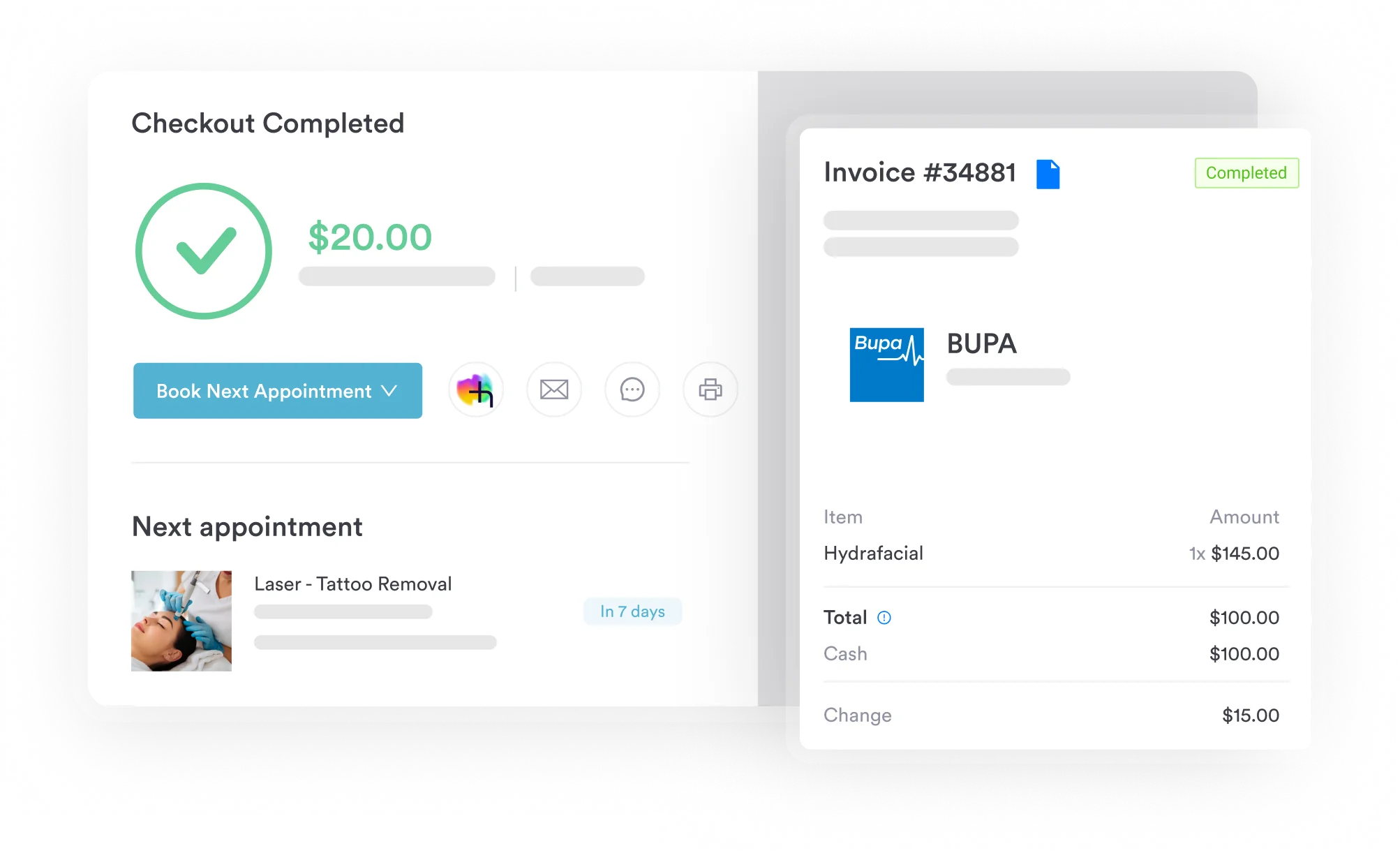
Before a claim goes out, Pabau checks that details like membership numbers and authorization codes are in place. Each claim then shows a live status, from pending to paid, and payments are recorded against the right invoice.

Pabau sends CCSD claims to Healthcode pre-filled from the patient record and checks each one before submission. ENT and thoracic practices spend less time on resubmissions.

E3900 rewards practices that settle the paperwork before the patient reaches the operating room. Written pre-authorization that names the code removes one common reason these claims stall. An operative note that records resection length and anastomosis technique removes the other.
The trade-off is a few extra minutes per case on the surgical side. Against a complex, high-value claim that could otherwise sit in query, that time pays for itself.
Pair that discipline with claims software that checks each claim before it goes out, and fewer E3900 claims come back for correction. Book a demo to see how Pabau handles CCSD claims for tracheal surgery, from invoice to payment.

Looking for a complete billing workflow for your surgical practice? Claims management software from Pabau submits CCSD claims through Healthcode and checks each one before it goes out.
Restoring speech after a laryngectomy? CCSD Code E4100 covers insertion of a tracheoesophageal voice prosthesis and how to bill it.
Billing the endoscopic airway work-up? CCSD Code E3680 explains coding for endoscopic laryngopharyngoscopy.
CCSD Code E3900 describes partial excision of trachea with reconstruction. It covers removing a diseased tracheal segment and rebuilding the airway by end-to-end anastomosis, as one bundled code. It doesn’t cover endoscopic treatment, tracheal dilation, or tracheostomy formation.
The three main indications are tracheal stenosis, primary tracheal tumors, and focal tracheomalacia that hasn’t responded to conservative treatment. Stenosis is commonly post-intubation or post-tracheostomy. Each indication needs a paired ICD-10 diagnosis code on the CCSD claim.
Yes, in most cases. UK private health insurers generally require pre-authorization for major tracheal surgery. Requirements vary by insurer and policy year, so confirm with the insurer before scheduling. Retrospective authorization is granted inconsistently and shouldn’t be relied on.
The most common reasons are missing prior authorization, incomplete operative notes, and ICD-10 codes that aren’t specific enough. Unbundling, where resection and reconstruction are billed as separate items, is the fourth. A pre-submission documentation check prevents all four.
The note must state the diagnosis and medical necessity, the surgical approach, and the number of tracheal rings or centimeters resected. It also records the reconstruction technique, the anesthetic type, and any release maneuvers. For tumor cases, it documents pathology submission too.
ENT surgeons and thoracic surgeons are the two main billing specialties. ENT surgeons usually handle upper-third lesions and post-intubation stenosis, while thoracic surgeons handle mid- and lower-tracheal tumors. Head and neck cancer surgeons may join complex cases involving adjacent structures.



