CPT code 93503: Swan-Ganz catheter billing and modifiers
CPT code 93503: Official descriptor and procedure overview In the AMA CPT code s...

Last Updated: Oct 23, 2026
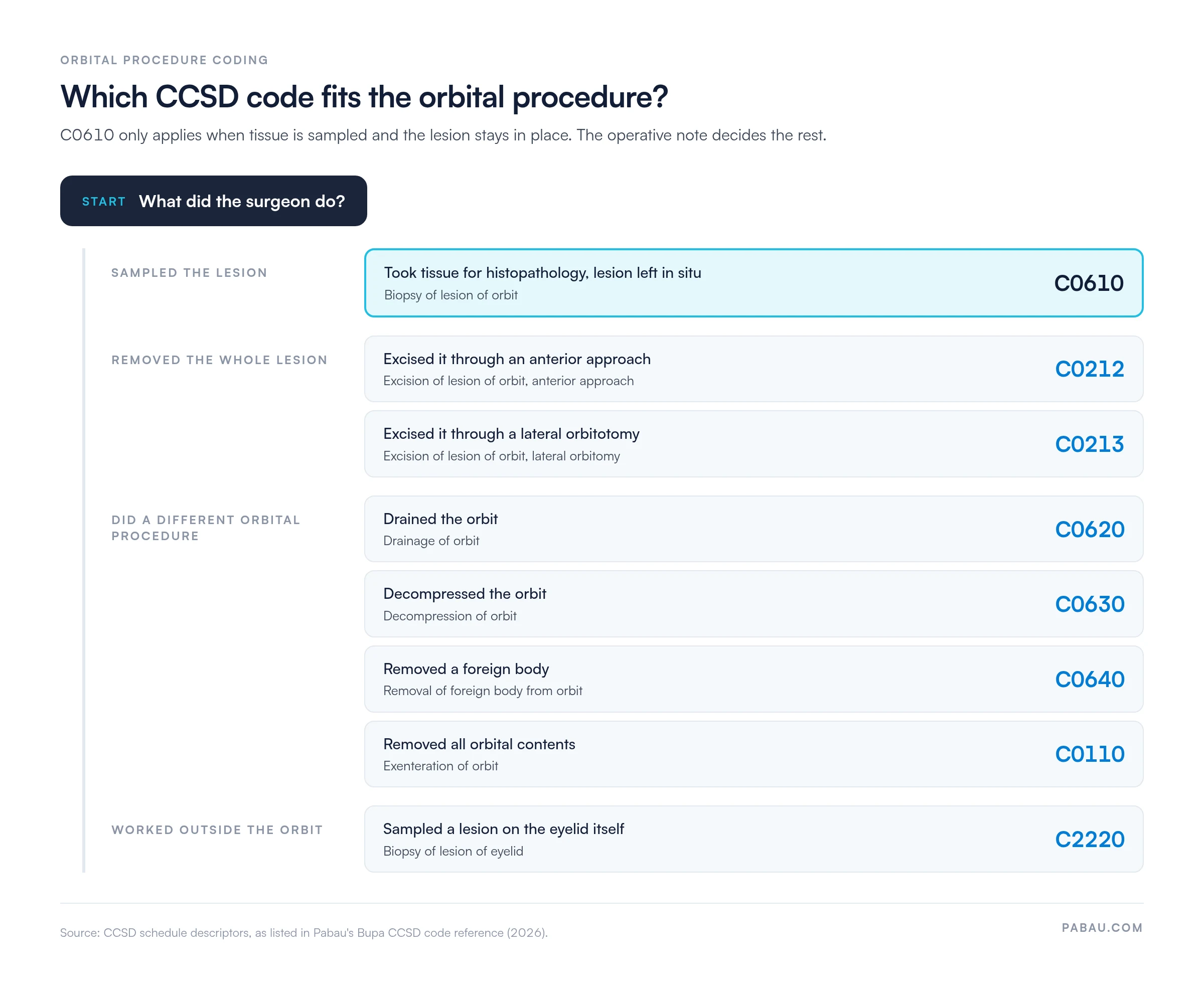
C0610 is the CCSD code for biopsy of lesion of orbit. It bills a diagnostic tissue sample taken from a lesion inside the orbital cavity. The lesion stays in place, and the code applies whichever surgical approach the surgeon uses.
When the whole lesion is removed, the claim moves to an excision code instead: C0212 for an anterior approach or C0213 for a lateral orbitomy. Bupa places C0610 in fee category INTER 4.
Let Pabau's smart automation suggest the right codes, reduce claim denials, and keep your practice compliant—effortlessly.
Automate repetitive tasks and focus on what matters most—your patients.
Reduce coding errors and ensure compliance with the latest regulations.
Clean claims, fewer denials, and faster reimbursements.
Powerful insights and reporting to help your practice thrive.
HIPAA compliant SOC 2 certified GDPR-compliant Trusted by 4,000+ clinics worldwide

CCSD Code C0610 covers biopsy of a lesion of the orbit in UK private practice billing, separate from NHS tariff and US CPT codes.
The code covers anterior and lateral orbitotomy approaches, plus fine-needle aspiration where the insurer accepts it.
A lesion removed in its entirety is billed as C0212 or C0213, not C0610.
A valid claim needs pre-operative imaging, a detailed operative note, a histopathology request, and the insurer’s pre-authorization reference.
Claims software such as Pabau keeps the CCSD code, pre-authorization reference, and operative note on one record, which cuts C0610 denials.
CCSD Code C0610 is the billing code for biopsy of a lesion of the orbit in UK private practice. The orbital cavity is a bony socket housing the eyeball, extraocular muscles, optic nerve, lacrimal gland, and surrounding fat.
Sometimes imaging reveals a space-occupying lesion within that cavity but cannot confirm the diagnosis. An orbital biopsy is then the definitive next step.
The CCSD schedule is maintained by the Clinical Coding and Schedule Development Group, a body representing UK private medical insurers. Its members include Bupa, AXA Health, Aviva, and Vitality. C0610 sits in the schedule’s eye and orbital contents chapter, alongside the excision, drainage, and decompression codes. The neighboring procedures are indexed in our CCSD codes library.
C0610 is a surgical procedure code, not a consultation or diagnostic code. Keep it separate from NHS tariff codes and from the US CPT system.
A biopsy of a lesion of the orbit is a surgical procedure performed by an oculoplastic surgeon. The surgeon enters the orbital cavity and takes a tissue sample from the lesion for histopathological analysis. The procedure establishes a tissue diagnosis where imaging, clinical examination, and serum markers have been insufficient to identify the lesion’s nature.
Orbital biopsies are performed under local or general anesthetic, depending on lesion depth, patient cooperation, and surgeon preference. Anterior lesions can typically be approached under local anesthetic with sedation. Posterior and deep orbital lesions almost always require general anesthetic.
C0610 encompasses several distinct surgical routes. The choice of approach depends on lesion location within the orbital cavity, and the operative note must specify which approach was used.
The key documentation detail is whether the procedure was incisional or excisional. An incisional biopsy takes a tissue sample and leaves the lesion in situ, which is what C0610 covers.
Where the full lesion is excised, bill an excision code from the C02xx range instead. That means C0212 for an anterior approach or C0213 for a lateral orbitotomy, as the chart below shows.
C0610 is indicated when CT or MRI has identified a space-occupying lesion of the orbit. Imaging alone cannot tell benign, malignant, inflammatory, and vascular pathologies apart. A histopathological diagnosis is required to guide treatment decisions.
The most common diagnoses behind an orbital biopsy include:
Every C0610 claim must include at least one ICD-10 diagnosis code. Unspecified codes increase denial risk. Use the most specific code available at the time the claim is submitted.
Verify each code against the NHS Classifications Browser, which reflects the UK ICD-10 fifth edition used by private insurers. Codes verified as current here carry the lowest denial risk.
Incomplete documentation is the primary driver of C0610 claim rejection. Every claim requires a complete evidence trail from pre-operative assessment to post-operative follow-up. Digital operative note templates built around CCSD requirements cut the risk of a missing field triggering a denial.
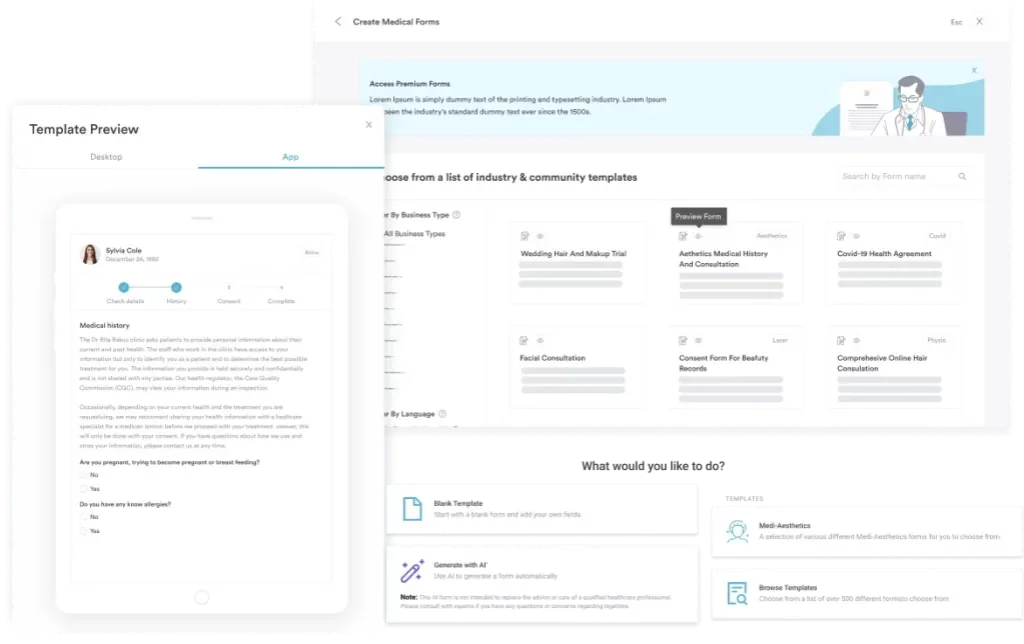
The six documents every C0610 claim needs:
The histopathology request form is the document most often missing from orbital biopsy claims. Without it, insurers have no proof the tissue went for analysis, so the biopsy code looks unsubstantiated. Billing tools that block submission until every mandatory field is complete prevent this oversight.
Attach the histopathology request form reference number directly to the C0610 claim record at the time of submission, not retrospectively. Insurers that require pathology confirmation before settling surgical claims will place the claim on hold if this reference is absent. Build this as a mandatory field in your billing workflow.
C0610 is specific to diagnostic tissue sampling from the orbit. Several related CCSD codes cover neighboring procedures, and picking the wrong one is the most common orbital coding error. The critical distinction is biopsy versus excision. Using an excision code for a diagnostic biopsy inflates the claim and may count as improper billing.
If the operative note records drainage of the orbit rather than a tissue sample, bill C0620. Removal of all orbital contents is exenteration, billed as C0110.
If the whole eye is removed and an orbital implant is placed during the same operation, bill C0122. Where the orbit is opened and inspected but no tissue is taken, bill C0650 instead.
For how these codes map to insurer fee schedules, see our guide to Bupa CCSD codes. It also covers the wider ophthalmology chapter and bundling conventions.
CCSD bundling rules affect what can be billed alongside C0610 on the same invoice. Billing a consultation code on the same day as a procedure code by the same surgeon is generally disallowed under CCSD rules. Verify the current CCSD schedule preamble for any updates to these conventions.
Elective orbital biopsy under CCSD Code C0610 typically requires pre-authorization from the patient’s private medical insurer before the procedure date. Without a valid pre-auth reference, the claim is likely to be rejected even if the documentation is complete. Check the Aviva fee schedule and provider guidelines and the equivalent portal for each insurer to confirm current requirements.
Major UK private medical insurers and their typical pre-auth requirements for C0610:
Emergency orbital biopsies (for example, where rapid tissue diagnosis is required to exclude a high-grade lymphoma causing compressive optic neuropathy) can often be retrospectively authorized. Document clinical urgency clearly in the referral letter and notify the insurer within 24 hours of the procedure.
C0610 claim denial is almost always preventable. The six most common denial reasons and their fixes:
Many billing teams still assemble a C0610 claim from pieces held in different places. The pre-auth reference sits in an email, the operative note in a Word file, and the lab request on paper. Each handoff is a chance to submit without one of the documents insurers check.
Pabau, the practice management platform we build, keeps the CCSD code, the pre-authorization reference, and the supporting documents on one patient record. Our claims management software then tracks each reference and attachment in a single workflow.
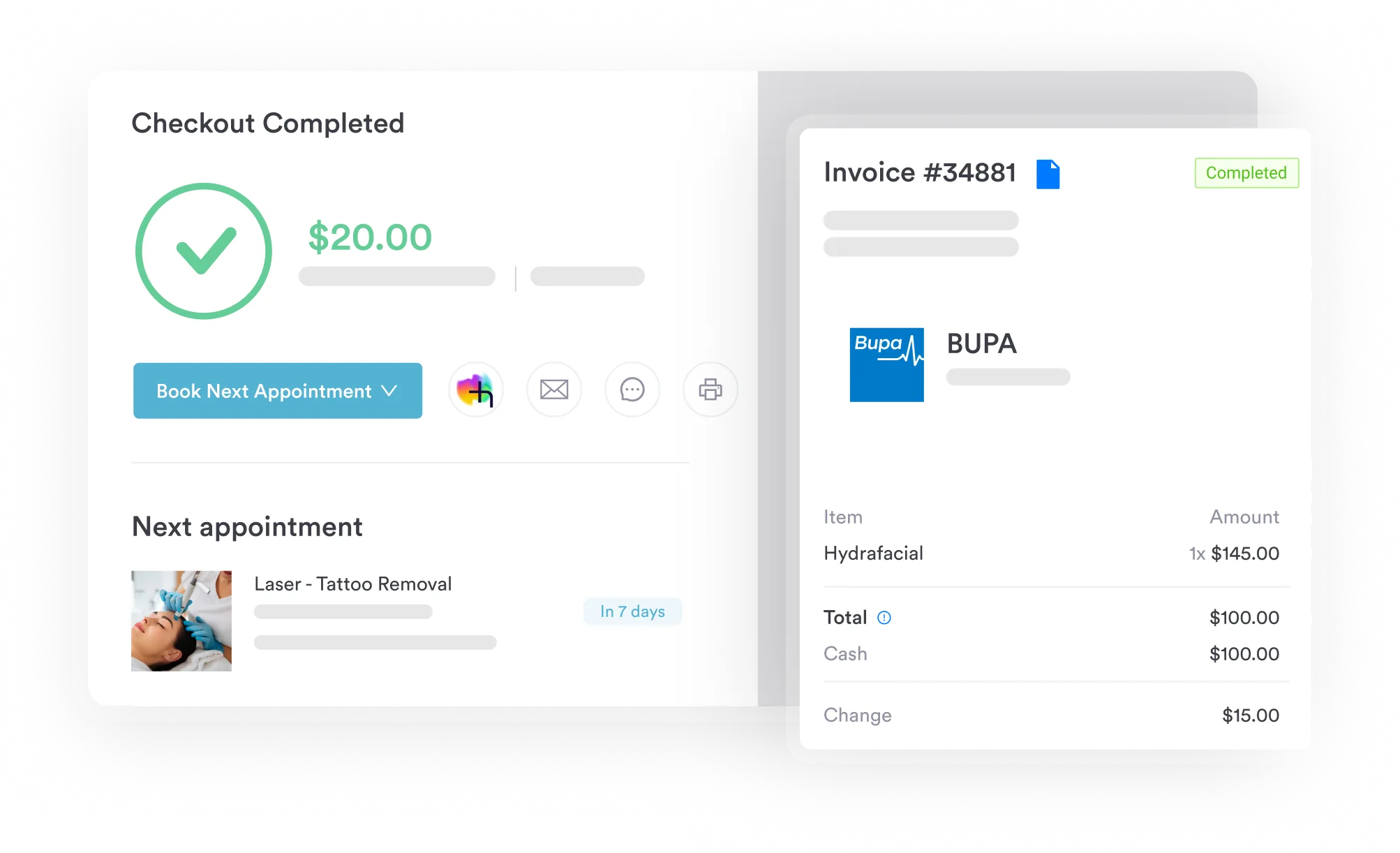
A clean C0610 claim submission workflow in practice management software:
Billing teams working with several oculoplastic surgeons can use the Bupa procedure fee schedule as a baseline. It helps reconcile CCSD fee levels against what each insurer settles. Fees follow the live CCSD schedule, so always verify the in-force rate before invoicing.
The result is a claim that leaves the practice complete, so fewer orbital biopsy invoices come back from insurer review asking for a missing document.
Flag C0610 claims that are older than 60 days and have not been settled. Orbital biopsy claims with incomplete documentation tend to sit in insurer review queues rather than generating an immediate rejection. A 60-day chase cycle catches these before they fall outside the insurer’s claim submission window.

Pabau lets oculoplastic surgeons and billing teams attach pre-auth references, operative notes, and histopathology records to each CCSD claim. That cuts the back-and-forth behind C0610 denials.

Treat the operative note as the document that decides the claim. If it names the approach and confirms the lesion stayed in situ, C0610 holds up. If the lesion came out whole, switch to C0212 or C0213 before the invoice goes anywhere.
The trade-off is a few extra minutes at sign-off against weeks spent chasing a held claim. Build the pre-auth check and the histopathology reference into scheduling and billing, and the denial reasons above stop recurring.
Book a demo to see how Pabau keeps pre-auth references, operative notes, and pathology numbers attached to every orbital biopsy claim.

Want to reduce claim errors across all CCSD procedures? Private practice claims management in Pabau supports pre-auth tracking, document attachment, and CCSD code entry in one workflow.
Coding a biopsy elsewhere in the head and neck? CCSD Code D0610 walks through billing a biopsy of a lesion of the pinna.
CCSD Code C0610 is the procedure code for biopsy of a lesion of the orbit in UK private practice. It covers diagnostic tissue sampling from within the orbital cavity, whichever surgical approach is used. It is distinct from the excision codes (C0212, C0213) and the eyelid biopsy code (C2220).
Yes, in the vast majority of cases. Elective orbital biopsy under C0610 typically needs pre-authorization before the procedure date. That applies with Bupa, AXA Health, Aviva, Vitality, and other UK private medical insurers. Emergency cases may qualify for retrospective authorization if the clinical urgency is documented clearly and the insurer is notified within 24 hours.
C0610 covers incisional biopsy, where tissue is sampled and the lesion remains in situ. Where the lesion is excised in its entirety, the right code is C0212 (anterior approach) or C0213 (lateral orbitomy). C0620 is drainage of orbit, not excision. Confirming this distinction in the operative note before submission prevents the most common orbital coding error.
Generally, no. CCSD rules typically prohibit billing a consultation code on the same day as a procedure code by the same surgeon. This is one of the more common unbundling errors on orbital biopsy invoices. Check the current CCSD schedule preamble or the specific insurer’s provider guidelines to confirm the rule for each payer.
Common ICD-10 pairings for C0610 include D31.6 (benign neoplasm of orbit), C69.6 (malignant neoplasm of orbit), and H05.0x (inflammatory conditions of orbit). Orbital metastases take C79.89 (secondary malignant neoplasm of other specified sites). D09.21 is carcinoma in situ of right eye, a laterality code rather than an orbit-specific one. Use the most specific subcode available at billing, as unspecified codes increase denial risk.
Six causes come up most often. The first four are missing or lapsed pre-authorization, a non-specific ICD-10 code, an incomplete operative note, and histopathology not linked to the claim. The other two are the wrong code (excision vs biopsy) and a same-day consultation billed by the same surgeon.