CPT Code 69610: Tympanic membrane patch repair (myringoplasty)
CPT code 69610: official descriptor and procedure overview CPT code 69610 descri...

Last Updated: Oct 19, 2026
B2232 is the CCSD code for adrenalectomy – unilateral (open). It covers removal of one adrenal gland through an open incision. Laparoscopic and robotic-assisted removal of one gland are coded B2233 and B2234 instead. Bilateral adrenalectomy has its own codes, B2222 to B2224, so B2232 is never billed twice for both glands.
Let Pabau's smart automation suggest the right codes, reduce claim denials, and keep your practice compliant—effortlessly.
Automate repetitive tasks and focus on what matters most—your patients.
Reduce coding errors and ensure compliance with the latest regulations.
Clean claims, fewer denials, and faster reimbursements.
Powerful insights and reporting to help your practice thrive.
HIPAA compliant SOC 2 certified GDPR-compliant Trusted by 4,000+ clinics worldwide

CCSD Code B2232 covers open removal of one adrenal gland. Laparoscopic removal is B2233, and robotic-assisted removal is B2234.
Bilateral adrenalectomy has its own codes (B2222 open, B2223 laparoscopic, B2224 robotic-assisted), so never bill B2232 twice.
The operative note must explicitly state laterality and surgical approach for the code to be accepted.
All major UK private medical insurers require pre-authorisation before elective open adrenalectomy.
Practice management software like Pabau keeps the authorisation reference, operative note and claim together, so a B2232 claim leaves the practice complete.
CCSD Code B2232 is the Clinical Coding and Schedule Development (CCSD) procedure code whose official descriptor is “Adrenalectomy – unilateral (open).” It covers the surgical removal of one adrenal gland through an open incision.
The code sits in Chapter 11 of the CCSD schedule, “Abdomen (excluding urinary and reproductive organs),” under the Adrenal subheading. The code applies only when the approach is open. A laparoscopic removal of one gland is coded B2233, and a robotic-assisted removal is coded B2234.
Two qualifiers determine whether B2232 is the correct selection. First, the operation must be unilateral: one adrenal gland is removed, not both.
Second, the operative technique must be open, meaning a formal incision through the flank, anterior abdomen, or posterior retroperitoneum rather than port-based access. Both qualifiers must be documented explicitly in the operative note before a UK insurer will process the claim.
Knowing the clinical steps behind CCSD Code B2232 helps billing staff confirm the code and check that the operative note covers what insurers ask for. An open unilateral adrenalectomy follows a consistent sequence, whether the surgeon uses a flank, anterior transabdominal or posterior approach.
For billing, the operative note should name the approach and confirm the operation was on one side only. It should also record how the surgeon achieved haemostasis and vein ligation. Practice managers should check each of these elements before a B2232 claim goes out.
B2232 applies whenever a surgeon performs a unilateral open adrenalectomy for a recognised clinical indication. The list below sets out the five most common diagnoses behind open adrenalectomy claims. Each one shows the ICD-10 code typically paired with the CCSD claim.
Every B2232 claim requires a supporting diagnosis code. Using an ICD-10 code that does not match the documented clinical indication is a leading cause of denial. The table below maps the principal indications to their ICD-10 codes for UK private practice submission.
Insurers verify that the ICD-10 code aligns with biochemical workup results and imaging documented in the referral letter. Phaeochromocytoma claims often draw a request for further information when the clinical summary lacks 24-hour urinary catecholamine results. That request delays payment.
Picking the wrong adrenalectomy code is a common reason these claims are queried. The Adrenal subheading of CCSD Chapter 11 holds six adrenalectomy codes, and our CCSD guides for billers cover the rest of the schedule. Each code maps to a single combination of laterality and surgical approach.
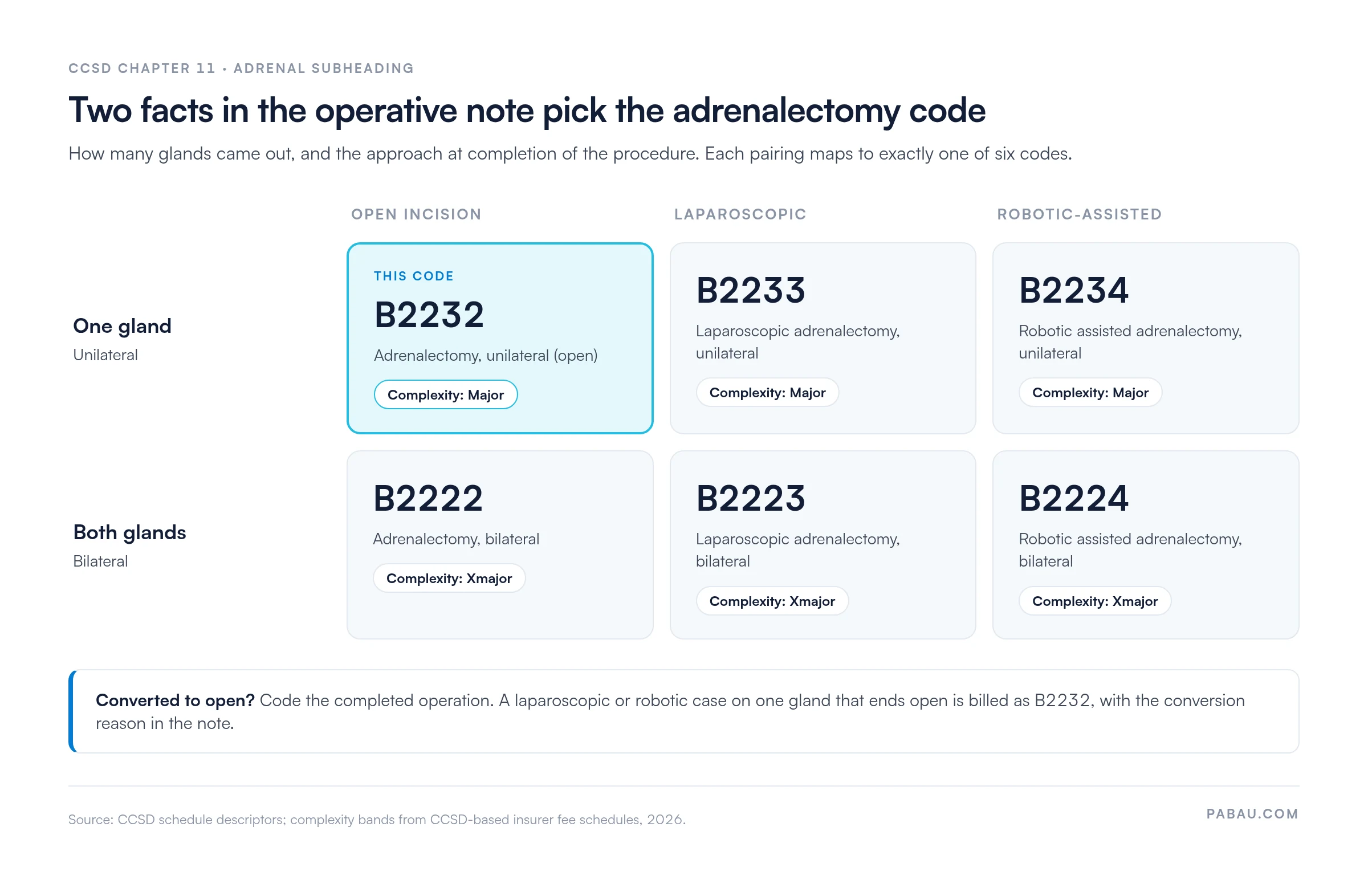
B2232 has two unilateral siblings. B2233 covers laparoscopic removal of one gland, and B2234 covers robotic-assisted removal of one gland. Bilateral surgery sits in a separate family, B2222 to B2224, split by the same three approaches.
The operative note governs code selection. Say the surgeon planned a laparoscopic or robotic approach but converted to open because of bleeding or tumour adherence. The correct code is then B2232, because the completed operation was an open unilateral adrenalectomy.
Record the conversion reason in the operative note, because some insurers ask for clarification on converted cases. Check the descriptors against the current CCSD schedule before submission, since CCSD reviews them annually.
An operative note that misses key details leads to a query or denial, even when the surgeon performed and coded the surgery correctly. For a B2232 claim, the operative note must address five areas explicitly.
Beyond the operative note, most insurers require the pre-operative biochemistry. That means catecholamine levels for phaeochromocytoma, or the aldosterone-to-renin ratio for Conn syndrome. They also expect CT or MRI imaging of the adrenal glands and the referring specialist’s letter confirming the indication.
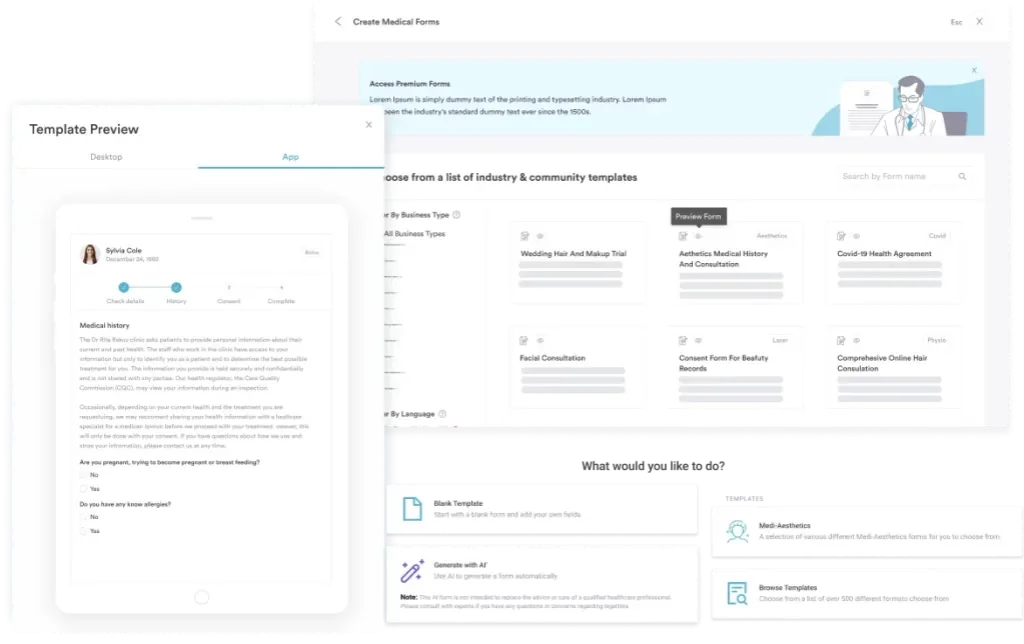
These documents are easier to gather when structured digital forms capture the clinical data at consultation. Retrieving paper records after surgery is slower and misses details.
UK GDPR requirements apply to all patient data submitted as part of an insurance claim. Make sure patient consent covers sharing clinical records with insurers. Data sent via Healthcode or other systems must also meet current Information Commissioner’s Office (ICO) standards.
All major UK private medical insurers treat elective open adrenalectomy as a procedure requiring pre-authorisation before the insurer will pay the claim. Submitting a B2232 claim without a valid authorisation reference number attached to the Healthcode submission is a near-certain denial. Check each insurer’s current provider handbook, as insurers update authorisation criteria periodically.
Pre-authorisation approval does not guarantee payment if the submitted claim later contradicts the approved details. Suppose the insurer authorised surgery for Conn syndrome, but the post-operative histology returns a phaeochromocytoma. Contact the insurer before submission to confirm whether the authorisation still stands or needs updating.
Practices new to UK private billing often underestimate how closely insurers match the authorised procedure code against the submitted claim.
Obtain the pre-authorisation reference number before the patient’s admission date and record it in your practice management system against the appointment. A claim submitted without a valid reference number will be rejected at the gateway, adding weeks to payment turnaround.
Insurers deny B2232 claims for a predictable set of reasons. Knowing these in advance allows billing staff to build a pre-submission checklist that catches the most expensive errors before the claim leaves the practice.
A structured operative-note template for adrenalectomy reduces the risk of inadequate documentation. Standardised templates that prompt the surgeon to record laterality, approach, vein ligation method and haemostasis technique catch omissions at the source, before submission.
For removal of one adrenal gland, the approach decides the code. Open surgery is B2232, laparoscopic surgery is B2233, and robotic-assisted surgery is B2234. All three share the same CCSD complexity band, Major, so the approach recorded in the operative note is what separates them. The table below sets out the differences.
When the surgeon removes both glands in one operation, none of these three codes applies. Use the bilateral code for the approach instead: B2222 for open, B2223 for laparoscopic, or B2224 for robotic-assisted surgery. The grid below puts both decisions side by side.
The surgeon performs open adrenalectomy under general anaesthesia, and the anaesthetist submits a separate claim using the applicable CCSD anaesthesia codes. The surgeon’s B2232 claim and the anaesthetist’s claim go through Healthcode independently. The practice does not need to combine them into one submission, but both must reference the same authorisation number.
Assistant surgeons may also submit a separate claim for their participation in the procedure. The assistant’s fee is typically a percentage of the principal surgeon’s fee, as set out in each insurer’s provider handbook. Important points for billing staff:
Payer-specific co-billing rules change periodically. Always verify anaesthesia co-billing policies against the current insurer provider handbook before submission, particularly for Bupa, which updates its fee schedule annually. Our guide to Bupa CCSD codes covers the code lookup for Bupa submissions in more detail.
Healthcode is the main electronic claims clearinghouse for UK private healthcare. It handles most CCSD claims submitted to Bupa, AXA Health, Aviva, Vitality and WPA. Submitting CCSD Code B2232 correctly through Healthcode requires attention to a small number of data-entry points where errors most commonly occur.
Audit every B2232 claim before it leaves the practice. Confirm the pre-auth reference matches the operative date, and that the ICD-10 code matches the histology or biochemistry report. Then check that the operative note names the approach and laterality. Catching these three points before submission prevents most B2232 denials.
A B2232 claim depends on three records lining up: the pre-authorisation reference, the operative note, and the claim itself. When those sit in email threads, insurer portals and spreadsheets, a claim can leave the practice with the wrong code or no reference number.
Practice management software like Pabau keeps those records together. Pabau’s claims management software pulls patient, insurer, policy and authorisation details into each claim. Validation checks flag a missing membership number or authorisation code before the practice sends the claim.
UK practices can submit claims directly through the Healthcode integration. Structured operative-note templates built with Pabau’s digital forms prompt the surgeon to record laterality and approach, so the note supports the code on the claim.
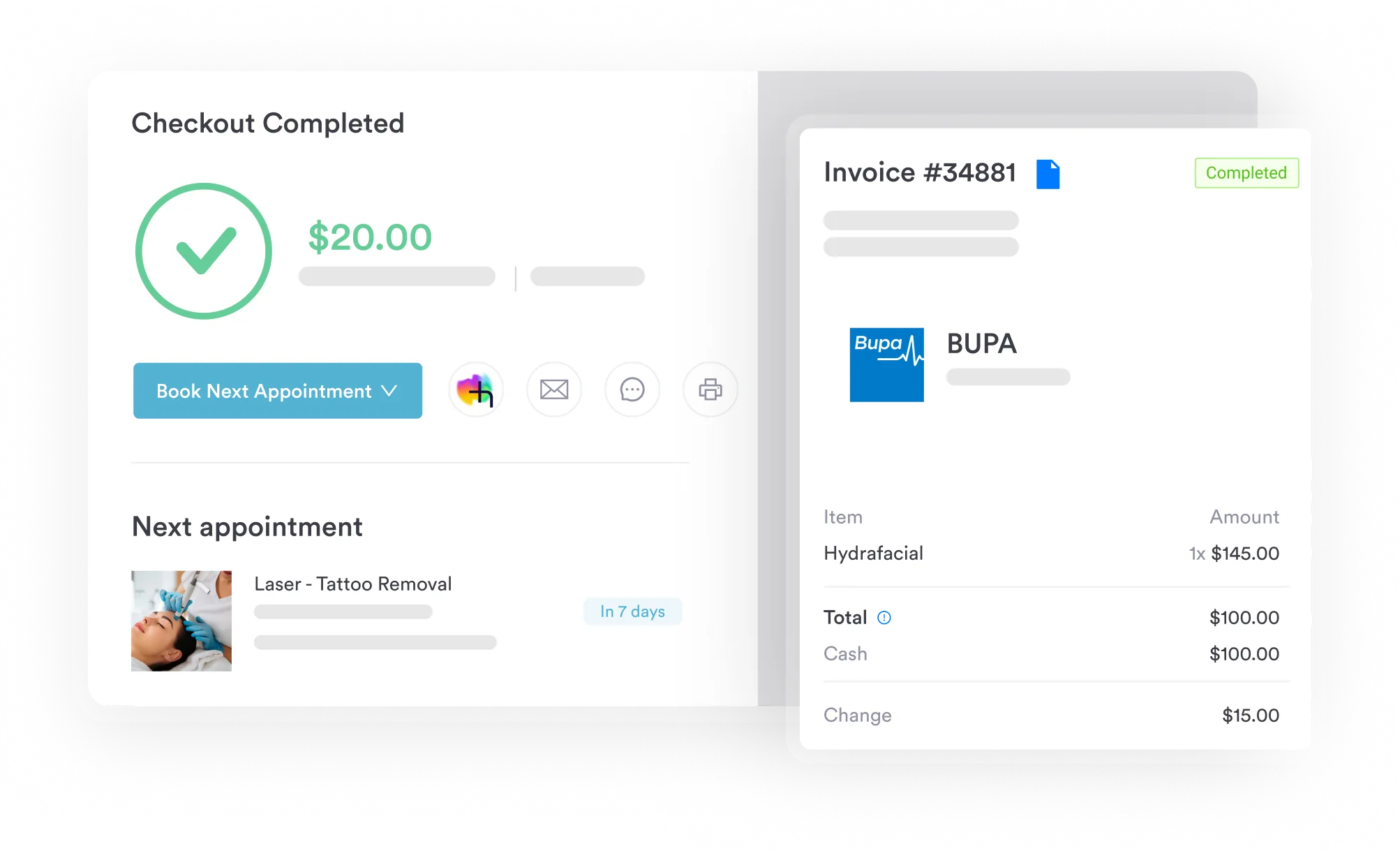

Pabau keeps authorisation references, operative documentation and claim status together, so B2232 claims leave the practice complete and coded to the right approach.

B2232 is the right code only when one adrenal gland comes out through an open incision. Check the operative note for laterality and final approach before you look at the rest of the claim. A laparoscopic case is B2233, a robotic-assisted case is B2234, and bilateral surgery moves to B2222-B2224.
The effort sits before surgery. Securing pre-authorisation for the planned approach, and updating the insurer when a case converts to open, costs a phone call. A denied adrenalectomy claim costs weeks of resubmission.
Book a demo to see how Pabau keeps authorisation references, operative notes and claim status together for every CCSD claim your practice submits.

Need a reference for all Bupa CCSD codes in one place? Bupa CCSD codes walks through the code lookup for Bupa procedure submissions.
Coding another procedure under the CCSD schedule? CCSD codes collects every CCSD billing guide in one place, chapter by chapter.
Billing other endocrine surgery on the neck? CCSD code B1250 covers thyroid re-operation claims and the documentation insurers ask for.
Working on another endocrine gland excision? CCSD code B0610 explains how pineal gland excision is coded and submitted.
CCSD Code B2232 covers unilateral open adrenalectomy, the removal of one adrenal gland through an open incision. It applies to a flank, subcostal or anterior transabdominal approach. Laparoscopic (B2233), robotic-assisted (B2234) and bilateral (B2222-B2224) removals are coded separately.
Before granting pre-authorisation, most UK private medical insurers want a specialist referral letter and CT or MRI imaging of the adrenal glands. They also need biochemistry confirming the diagnosis. For phaeochromocytoma, 24-hour urinary catecholamine or metanephrine results are typically expected; for Conn syndrome, adrenal vein sampling results or an aldosterone-to-renin ratio report.
Yes, but they are submitted as separate claims. The anaesthetist submits independently using the applicable CCSD anaesthesia codes, referencing the same pre-authorisation number as the primary surgeon’s B2232 claim. The two claims are not merged into one submission through Healthcode. Check individual insurer handbooks for any co-billing restrictions.
The most frequent trigger is a missing or expired pre-authorisation reference. Others are an operative note that omits the approach or laterality, and billing B2232 for a laparoscopic or robotic case. Insurers also deny claims where the ICD-10 code does not match the clinical documents, or where an assistant surgeon bills the primary surgeon’s full fee.