



CCSD code G5100: Bypass of duodenum billing guide
CCSD code G5100 bills a bypass that leaves the duodenum in place CCSD code G5100...

Last Updated: Oct 16, 2026

CCSD code 0443B is a chenodeoxycholic acid blood test, a bile acid the liver makes. It sits in pathology, under biochemistry, so it is a test and not a procedure.
UK private insurers use the code to process and pay claims for the test, from Bupa and AXA Health to Aviva, Vitality, and WPA.
Payment turns on three things the code cannot fix on its own: the patient’s cover, the clinician’s recognition, and any pre-authorisation.
The fee is not fixed. Each insurer sets and updates its own rate, so check the current schedule before you invoice.
CCSD code 0443B is the code UK private insurers use for a chenodeoxycholic acid blood test. Chenodeoxycholic acid is a bile acid your liver makes, and the test measures how much of it is in the blood. It is a pathology test, filed under biochemistry, and not a procedure.
That last part is where people slip up. Bill it like a surgical procedure and the claim comes back. Get it wrong and you spend the next few weeks chasing payment instead of banking it, so it is worth a minute to understand what you are actually billing for.
Chenodeoxycholic acid, or CDCA, is one of the two primary bile acids the liver makes from cholesterol. It helps you break down fats, and it cycles between the liver and the gut. When a clinician orders 0443B, they ask the lab to measure how much of it is in a blood sample. That is the whole test.
So why order it? Bile acids are a useful window into how the liver and bile ducts are working. When bile stops flowing properly, as in cholestasis, the levels shift, and the same testing helps flag the rarer inherited disorders of bile acid production. The clinician reads the result. Your job is to bill it.
Picture a consultant working up a patient with unexplained itching and odd liver enzymes. A bile acid measurement is a sensible next step. If that patient is on private cover, the test needs a code the insurer recognises, and for CDCA that code is 0443B.
Here is the shape of it at a glance.
The obvious next question is what it is worth, and that is where it gets less tidy.
There is no national price for 0443B. Each insurer sets its own rate and revises it now and then, so Bupa, AXA Health, and Aviva will not necessarily agree, and last year’s figure is only a starting point. Check the current number with whoever is paying.
The schedule itself moves too, so confirm the live entry for 0443B on the CCSD site before you lean on any figure for a real claim.
Knowing roughly what you will be paid, the next thing that matters is making sure you actually get it. The journey from blood draw to settled invoice is short, but it has a few handoffs, and each one is a place a claim can stall.
Private practices coding with CCSD still need solid practice management behind every invoice and insurer submission.
Most of those steps are routine. The rejections cluster around the ones that are not, and after enough of them you start to see the same few culprits.
The wrong code is the classic. One transposed character and the claim points at a different test, or at nothing at all, which is the whole reason you pick it from a list instead of memory.
Close behind is the pre-authorisation reference that never made it onto the invoice. Then there is recognition: a perfectly valid code still gets refused if the insurer does not recognise the clinician who asked for the test.
The quiet one is duplication. You bill the test on its own, not realising it already sat inside a panel you had charged for, and nobody spots it until the remittance comes back light.
None of that is hard to prevent. It just needs a habit, a quick look before the invoice goes out. Run through this each time:
That check takes under a minute when everything lives in one place. It takes a lot longer when the request sits in one system, the code in another, and the invoice in a third.
This is where a practice management system like Pabau earns its keep. The 0443B code attaches to the patient’s record the moment the clinician requests the test, and the invoice builds from that same record. You copy nothing by hand, so what you bill always matches what you did.
Pabau also connects to Healthcode, the standard route for private claims in the UK, so it can validate a coded invoice, send it electronically, and track it to payment without you leaving the screen. That is the difference between a claim that clears first time and one that lands in the rejections pile because a detail slipped between two apps. A pre-authorization number has to reach the claim, and a missing reference is a common avoidable denial.
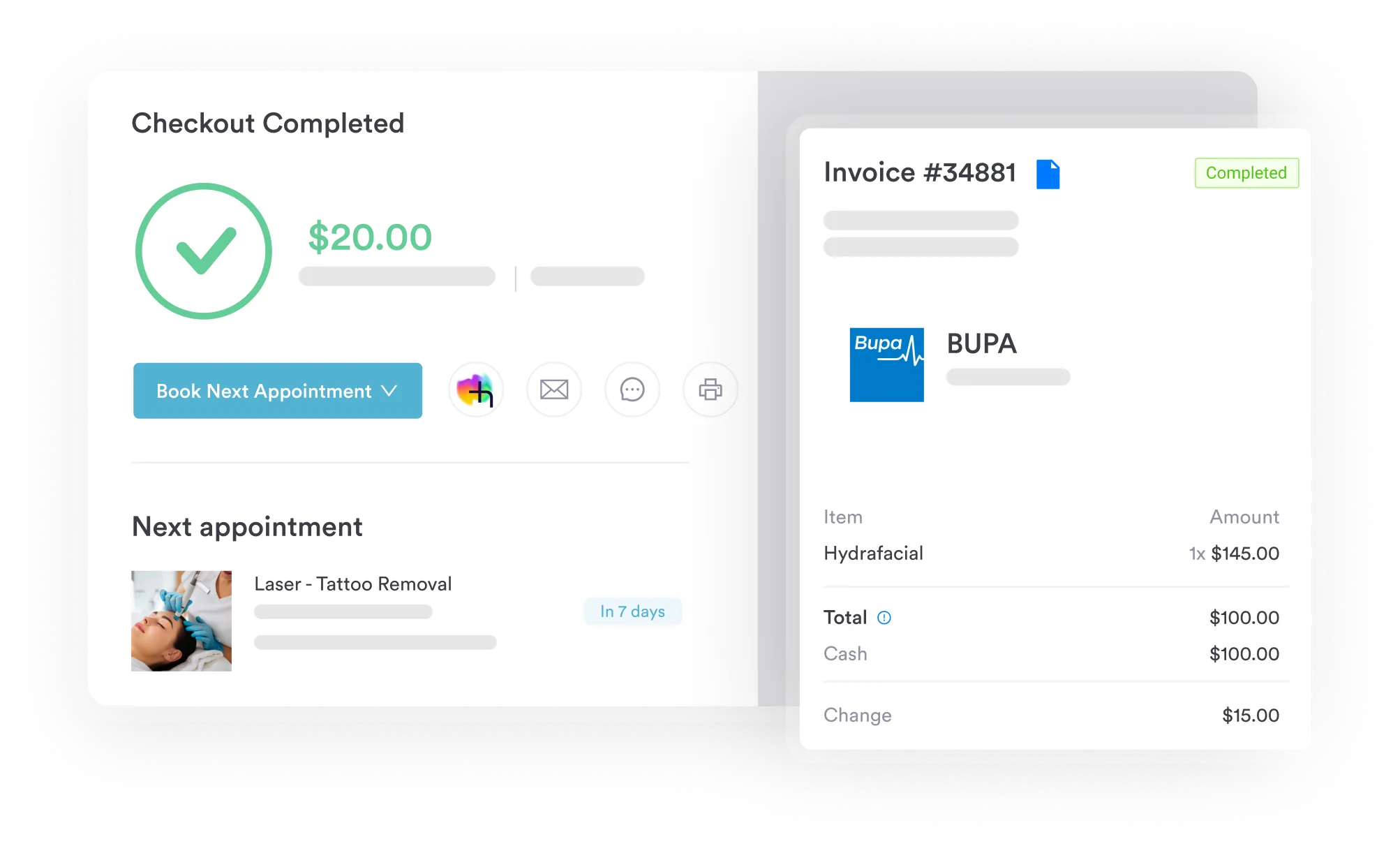

Pabau attaches CCSD codes to the patient record, builds the insurer invoice from it, and submits and tracks the claim through Healthcode, so tests like 0443B get billed right the first time.


Billing pediatric equipment instead? pediatric hospital crib guide covers the fully enclosed, hospital-grade pediatric crib billed as a capped rental.
Want to see how private practice billing is structured? Bupa procedure codes fee schedule breaks down how Bupa fee schedules work and where to find current rates.
Billing a bariatric equipment claim instead? bariatric hospital bed billing guide covers the bariatric hospital bed rated above 600 pounds and how to avoid the E0301 mix-up.
CCSD code 0443B is the code UK private medical insurers use for a chenodeoxycholic acid blood test, one of the bile acids the liver produces. It sits in the pathology, biochemistry part of the CCSD schedule.
It is a test. CCSD code 0443B sits in pathology, biochemistry and covers a chenodeoxycholic acid blood test, not a surgical procedure.
Bile acid levels give clinicians one signal for how the liver and biliary system are working. A chenodeoxycholic acid measurement can support the assessment of conditions such as cholestasis, and bile acid testing also helps diagnose rarer inherited bile acid synthesis disorders.
Confirm the patient’s cover, check that the insurer recognises the requesting clinician, and record any pre-authorisation reference. Attach code 0443B when the clinician requests the test, then raise an invoice showing the code, test date, recognition number, and membership number. Submit it through Healthcode where you can, and track it to payment.
No fixed national fee exists. Each insurer sets its own rate for the test and updates it periodically, so the amount differs across Bupa, AXA Health, Aviva, Vitality, and WPA.
The CCSD schedule underpins UK private medical insurance, so every major insurer that runs on it recognises the code, including Bupa, AXA Health, Aviva, Vitality, WPA, Cigna Healthcare UK, Allianz Care, and Healix.



