Hell’s Itch pain scale
The Hell’s Itch pain scale is a numeric rating system that quantifies the ...

4
Last Updated: Oct 5, 2026

A speech therapy goal bank is a curated collection of pre-written, measurable goals organized by disorder area-used by SLPs to save documentation time while ensuring IEP compliance and evidence-based practice.
Goals must follow measurable, observable language (e.g. ‘Client will produce /s/ sound with 80% accuracy in conversation’) rather than vague statements (‘improve speech clarity’).
Using a structured goal bank reduces clinical documentation time by 2-3 hours per week per therapist while ensuring each goal meets IDEA requirements and CMS medical necessity criteria for billing.
Pabau’s clinical note-taking and treatment planning features help SLPs track progress against goals, auto-generate SOAP notes from goal milestones, and integrate goals seamlessly into client records for continuity of care.
A ready-to-use collection of measurable, IEP-compliant goals spanning articulation, language, fluency, AAC, voice, cognitive-communication, dysphagia, and aphasia for pediatric and adult populations.
Download templateA speech therapy goal bank is one of the most efficient tools an SLP can use to streamline treatment planning and documentation. Instead of writing goals from scratch for every client, you have a library of tested, measurable objectives ready to customize. This free PDF resource gives you a structured starting point-organized by disorder area and population-so you can spend more time on clinical care and less time on paperwork.
A speech therapy goal bank is a curated collection of pre-written, measurable therapeutic objectives. SLPs use goal banks to save documentation time, ensure compliance with IDEA (Individuals with Disabilities Education Act) IEP requirements, and ground their treatment planning in evidence-based practice.
Rather than constructing goals from scratch, which can consume hours per week, speech therapists reference a pre-built bank, select the goals most relevant to a client’s disorder and functional needs, and customize them for the individual. This approach has two immediate benefits: faster documentation and consistent, legally defensible goal language.
According to the American Speech-Language-Hearing Association (ASHA), SLPs are responsible for setting goals that are measurable, observable, and tied to functional outcomes. A goal bank accelerates this process while reducing the risk of non-compliance during IEP reviews or clinical audits.
The foundation of any speech therapy goal bank is the SMART framework: Specific, Measurable, Attainable, Relevant, and Time-bound. Before selecting goals from a bank, understand the structure that makes them defensible and effective.
A goal bank gives you templates that already follow this structure. Your role is to customize the specifics-the sound, the context, the accuracy percentage-for each client.
A comprehensive speech therapy goal bank spans the full range of SLP practice areas. The sections you’ll find in most goal banks reflect the major disorder domains SLPs treat.
A well-organized speech therapy goal bank helps you quickly locate the disorder area and developmental level most relevant to your client’s needs, rather than starting from a blank page.
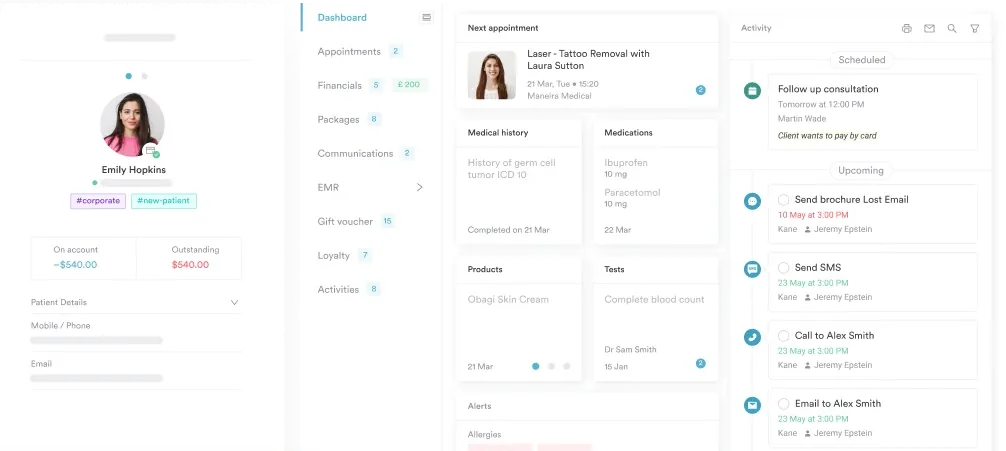
For school-based SLPs, IEP compliance is non-negotiable. Under 34 CFR § 300.320, every IEP goal must be measurable and reviewed annually. A speech therapy goal bank ensures your goals meet this federal requirement by providing language that is observable and tied to specific, quantifiable outcomes.
Goals in an IEP must also differentiate between short-term objectives (interim milestones toward the annual goal) and the annual goal itself. A goal bank organized by these distinctions helps you write defensible documentation that withstands IEP review meetings and due process hearings.
Beyond compliance. As clients reach milestones, you log data directly into a system that aggregates the evidence you’ll need for annual IEP reviews-reducing last-minute scrambling to compile progress reports.
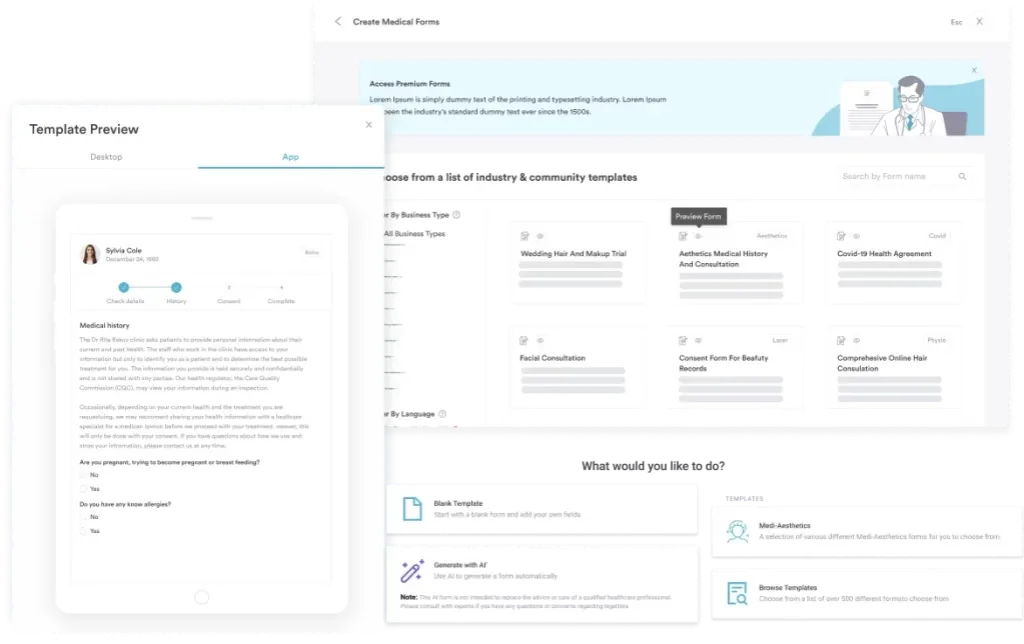
Adult SLPs in medical, skilled nursing, and outpatient settings use goal banks differently than school SLPs-but measurement remains equally critical. In medical settings, goals must align with CMS medical necessity criteria, meaning they must address a functional deficit that impairs participation in activities of daily living (ADL) or instrumental ADL (IADL).
A speech therapy goal bank for adult SLPs includes aphasia recovery, cognitive-communication repair, and dysphagia management objectives. These goals typically emphasize functional outcomes-returning to work, safe eating, or independent living-rather than developmental milestones. Your goal bank should reflect this distinction and help you write goals that payers will recognize as medically necessary. A dysphagia care plan template carries the detail a swallowing goal omits, including IDDSI texture levels, positioning, and aspiration precautions for each patient.
Organizing your treatment plan and client records around functional milestones also strengthens documentation for licensing audits and compliance reviews in adult settings.
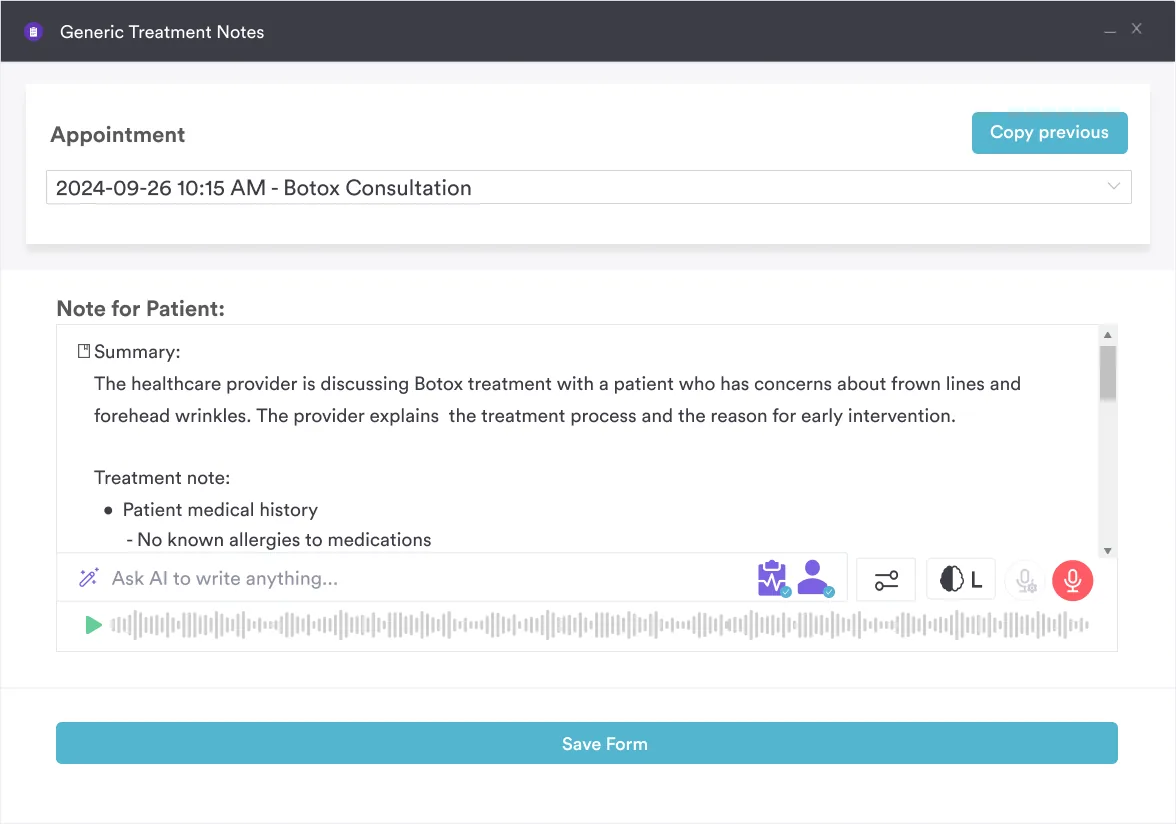
A goal bank is not a one-size-fits-all tool-customization is the key to making it clinically valuable. Here’s how to adapt bank goals for individual clients.
When you customize goals from a bank within a practice management system that tracks team performance and client outcomes, you gain the ability to compare your customizations across clients and refine your approach over time.
Managing a speech therapy goal bank on paper or in fragmented spreadsheets quickly becomes unwieldy as your caseload grows. Pabau integrates goal management into your client record system, so your goals feed directly into treatment notes, progress reports, and IEP documentation-eliminating manual re-entry and inconsistency. Your team can track progress against multiple goals per client in real time and export evidence-based reports for compliance reviews. Book a demo to see how speech therapy practices use integrated goal tracking to cut documentation time and improve clinical outcomes.
Writing vague goals-“improve communication,” “better language skills,” “increase clarity”-exposes you to compliance risk and makes progress measurement impossible. Evidence-based SLP practice demands measurable, observable outcomes. A goal bank ensures every goal you set reflects this standard and can withstand scrutiny from IEP teams, payers, and licensing boards.
Beyond compliance, measurable goals drive better client outcomes. When you know exactly what you’re targeting, your treatment sessions are more focused and clients see faster progress. A goal bank accelerates this precision while saving you hours every month on documentation.
A speech therapy goal bank is essential infrastructure for any SLP practice. By providing tested, measurable goal language across all disorder areas and populations, a goal bank cuts documentation time in half while protecting you from compliance risk. Download this free resource, customize it for your caseload, and integrate it into your practice management system to track progress and streamline reporting. Your clients will benefit from faster, more focused treatment-and you’ll reclaim hours every week currently lost to goal-writing paperwork.
A speech therapy goal bank is a curated collection of pre-written, measurable therapeutic objectives organized by disorder area (articulation, language, fluency, etc.) and population (pediatric, adult). SLPs use goal banks to save documentation time and ensure IEP and medical compliance while grounding their treatment in evidence-based practice.
Select 2-3 goals from the bank’s relevant section, customize the specifics (sound, vocabulary level, accuracy percentage) for your client, and align the timeline with your IEP meeting date. A goal bank provides the measurable, observable language your IEP team expects; you customize it to fit the individual.
A free goal bank should cover the major disorder areas (articulation, language, fluency, AAC, voice, cognitive-communication, dysphagia, aphasia) and include both pediatric and adult populations. Paid versions may offer more disorder-specific subspecialties or digital tracking features, but a well-built free bank covers the core SLP practice areas.
Yes. A goal bank is designed for reuse. You select the goal that matches the client’s disorder and developmental level, then customize the specifics (sounds, vocabulary, measurement criterion) for that individual. This is the core efficiency gain of a goal bank.
A measurable goal includes a specific behavior (e.g. “produce /s/ sound”), a context (e.g. “in word-initial position”), and a criterion (e.g. “with 80% accuracy across three consecutive sessions”). Vague goals like “improve clarity” are not measurable and do not meet IDEA or CMS standards.
Yes. A goal bank is your content library; practice management software is your operational system. Used together, they allow you to select and customize goals from a bank, then track progress, generate progress reports, and integrate goals into your clinical notes all in one place.