Antipsychotic medication list
An antipsychotic medication list is a structured reference that organizes psychi...

2
Last Updated: Oct 13, 2026

A gender identity quiz is a structured self-reflection tool that helps clinicians explore patient gender identity in a sensitive, person-centered framework, not a diagnostic instrument.
Gender identity data is highly sensitive and protected under HIPAA and GDPR as special category health data requiring explicit consent and secure storage.
Clinicians who integrate gender identity assessment into intake workflows create safer, more affirming clinical environments and catch mental health concerns earlier.
Practice management software like Pabau embeds a downloadable Gender Identity Quiz template directly into patient records and digital forms, enabling clinicians to capture identity data systematically without manual workarounds.
Clinicians face a practical challenge: many existing intake forms do not ask about gender identity, leaving patients to self-disclose or stay silent. Structured.
A comprehensive, clinician-administered assessment tool for exploring gender identity with patients in mental health, therapy, and primary care settings. Includes identity spectrum definitions, self-reflection prompts, dysphoria screening, and documentation fields for integration into Pabau client records.
Download templateThis guide explains what a gender identity quiz is, why it matters clinically, and how to deploy it as part of affirming practice workflows.
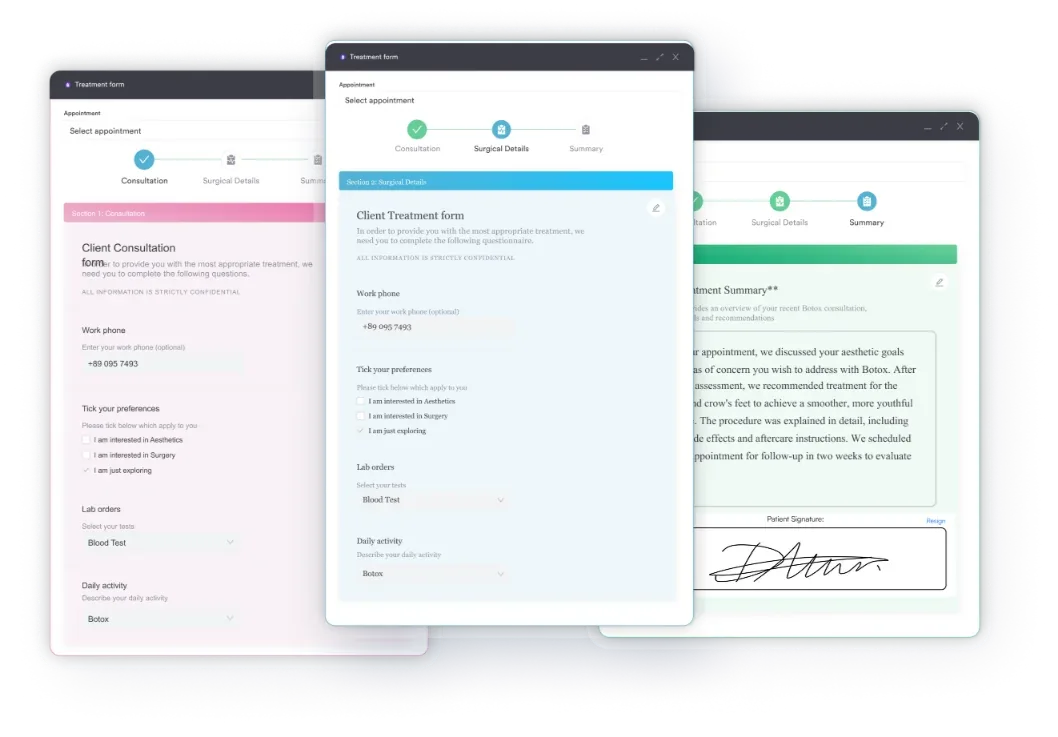
A gender identity quiz is a structured self-reflection tool that invites patients to explore and articulate their internal sense of gender in a safe, confidential setting, rather than a test or a diagnosis.
The quiz asks targeted questions about gender identity, gender expression, dysphoria, and affirming support needs, then translates those responses into clinical documentation.
Unlike consumer-facing quizzes (which are often standalone, gamified, and designed to drive users to therapist directories), a clinical gender identity quiz embedded in practice management software for patient records serves a different purpose: it becomes part of the official clinical intake, legally protected under HIPAA and GDPR, and accessible to the entire care team during treatment planning.
Important disclaimer: No quiz can determine a person’s gender identity. Gender identity is self-determined. A quiz cannot diagnose, predict, or “prove” gender identity. What it can do is create a structured opportunity for clinicians and patients to discuss identity together, catch dysphoria signals early, and ensure the patient’s identity is documented respectfully in their medical record.
Clinicians in therapy and counseling practices who use a structured gender identity quiz in intake report three immediate benefits:
Integrated patient care management systems make deployment effortless: clinicians send the digital form before the first visit, review responses during the intake conversation, and the data is automatically stored in the patient’s permanent record. No manual transcription. No separate filing. No silos between clinical teams.
Gender identity is a person’s internal, deeply held sense of their own gender, separate from their biological sex assigned at birth. While biological sex refers to chromosomes and anatomy, gender identity is about how someone experiences their gender internally. The two do not always align, and that mismatch is neither rare nor pathological. Clinicians should also watch for overlapping traits, since a highly sensitive person can experience these questions with added emotional intensity.
The gender spectrum is not binary. People do not experience gender as simply “male” or “female.” Current clinical frameworks, including the DSM-5, ICD-11, and WPATH Standards of Care Version 8 (2022), recognize that gender exists on a spectrum and that identity can be stable, fluid, or evolving over time.
A comprehensive gender identity quiz should invite patients to identify across the full spectrum recognized in current clinical practice:
Gender dysphoria is significant distress or impairment that some people experience when their gender identity does not align with their sex assigned at birth or their bodily characteristics.
It is classified in both the DSM-5 (as “gender dysphoria”) and ICD-11 (as “gender incongruence”) as a recognized clinical condition. The classification reflects that the distress some people experience is real and treatable, not that gender identity itself is pathological.
Not all transgender or non-binary people experience dysphoria, and dysphoria is not required for a person to be transgender or non-binary. A clinician must protect dysphoria screening responses with the same HIPAA compliance and GDPR safeguards as any other mental health data, and clinicians must use those findings to enable access to gender-affirming treatment, not to gatekeep identity.
Storing completed assessments in patient management software keeps every score searchable within the patient’s record.
The Pabau Gender Identity Quiz template integrates into digital intake forms, enabling clinicians to deploy it before or during the first visit. Here is the step-by-step workflow:
Quiz responses generate clinical data that informs the conversation and the care plan, not a “score” or diagnosis. Here is how to interpret common response patterns:
Identity is clearly stated: The patient has a coherent sense of their gender identity and expressed it confidently in the quiz. Clinically, this signals stability and self-knowledge. Document the stated identity and proceed with affirming care informed by that identity.
Identity is uncertain or evolving: The patient reports questioning, fluid, or newly evolving gender identity. This is a normal developmental process, especially in adolescents and young adults, not a pathological one. Create follow-up conversations to improve patient engagement and give the patient space to explore without pressure. Ongoing clinical documentation of this evolution supports continuity of care.
Dysphoria is present: The patient reports distress related to gender mismatch, body dysphoria, or unmet affirmation needs. This is a clinical signal: assess severity with an outcome measure like the CORE-10, explore impact on functioning (sleep, mood, social engagement), and discuss access to gender-affirming treatment options, mental health support, or specialist referral.
Affirming needs are unmet: The patient may report they are out to some people but not others, or they lack access to gender-affirming medical care.
Clinically, this warrants a closer look: assess safety (is the patient at risk of harm from non-affirming family or community?), isolation with a tool like the chronic loneliness test (do they have affirming social connections?), and what your practice can offer (name/pronoun documentation, referrals to gender-affirming providers, affirmation in treatment itself).
A gender identity quiz is a starting point for clinical dialogue, not a complete assessment. Clinicians should consider referral to a gender-affirming therapist, psychiatrist, or endocrinologist in these situations:
Maintaining contact after initial referral matters just as much. Following up ensures the patient connected with the specialist, and coordinating care across providers gives the patient continuity and confidence.

Explore how Pabau’s digital forms and integrated patient records let you deploy inclusive, structured gender identity assessment as part of your routine clinical workflow, with secure storage, care team visibility, and automatic documentation.

Gender identity data is sensitive personal information. Under HIPAA (in the US), GDPR (in the EU), and equivalent privacy laws, responses to a gender identity quiz are protected health information requiring explicit patient consent, secure storage, and restricted access. Clinicians must:
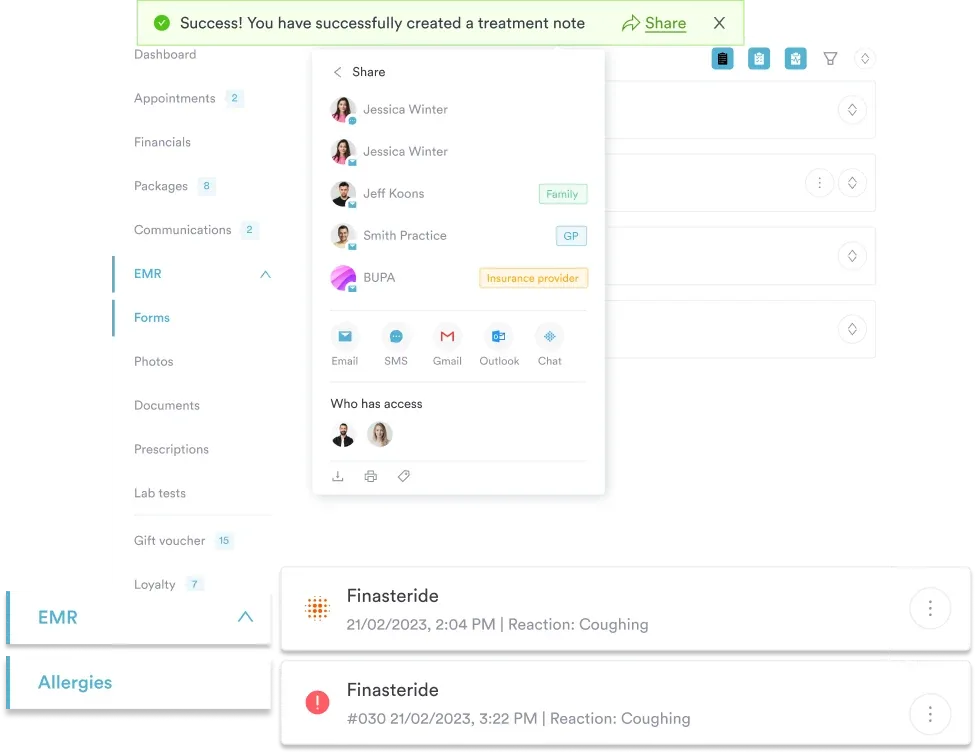
Patient record systems built for clinical sensitivity encrypt gender identity fields, limit access to authorized clinicians and staff, and create audit logs of who accessed the data and when, ensuring compliance with privacy regulations.
A structured gender identity quiz sends a clear message to patients: your identity is important, safe to disclose, and will shape how we care for you.
Clinicians who integrate a gender identity assessment into routine intake catch dysphoria signals early, ensure affirming documentation, and build trust with a population at higher risk for depression, anxiety, and unmet healthcare needs. Book a demo to see how Pabau supports inclusive, compliant intake as part of your standard clinical workflow.
No. Only a person can know their own gender identity. A quiz provides structured reflection and documentation but cannot determine, diagnose, or prove gender identity. Gender identity is self-identified, and clinicians must trust and affirm the patient’s stated identity.
A comprehensive quiz should cover cisgender, transgender, non-binary, genderfluid, agender, gender nonconforming, and culturally specific identities like two-spirit. Include an open-response field so patients can describe their identity in their own words if none of the standard categories fit.
Document the patient’s stated identity, pronouns, and preferred name prominently in the clinical record and use them in all clinical communication, regardless of legal documents. Many practice management systems allow separate fields for legal name (required for billing) and preferred name/pronouns (for clinical use), reducing friction for both staff and patients.
Refer if the patient reports significant dysphoria, requests gender-affirming medical care, experiences mental health symptoms related to identity, or faces family or social conflict. Adolescents questioning identity benefit from gender-affirming therapy even before any medical intervention.
Store responses in an encrypted practice management system with role-based access control, audit logging, and two-factor authentication. Obtain explicit patient consent before collecting the data, limit staff access to authorized clinicians, and never share the data with third parties without authorization.