List of vitamins: All 13 with RDAs and deficiency signs
A list of vitamins names the 13 essential vitamins the body needs from food or s...

8
Last Updated: Oct 8, 2026

An endocrinology quiz is a structured educational assessment covering hormones, endocrine glands, feedback mechanisms, and common clinical disorders.
The quiz uses multiple-choice questions with detailed answer explanations to help clinicians, students, and educators evaluate hormone knowledge.
A downloadable endocrinology quiz PDF saves time on staff training and provides a consistent evaluation framework across your practice.
Practice management software like Pabau lets you deploy this quiz directly in patient consultations through its digital forms feature, capturing baseline knowledge before clinician-led education begins.
A ready-to-use multiple-choice assessment covering hormones, endocrine glands, feedback mechanisms, diabetes, thyroid, and adrenal disorders. Includes 20+ questions with complete answer key and clinical explanations for medical education and staff training.
Download templateAn endocrinology quiz is one of the most practical educational tools for clinicians and healthcare educators. In practice, this ready-to-use template gives you a structured test that covers the basics of hormones, gland function, body feedback, and clinical endocrine disorders in a single PDF.
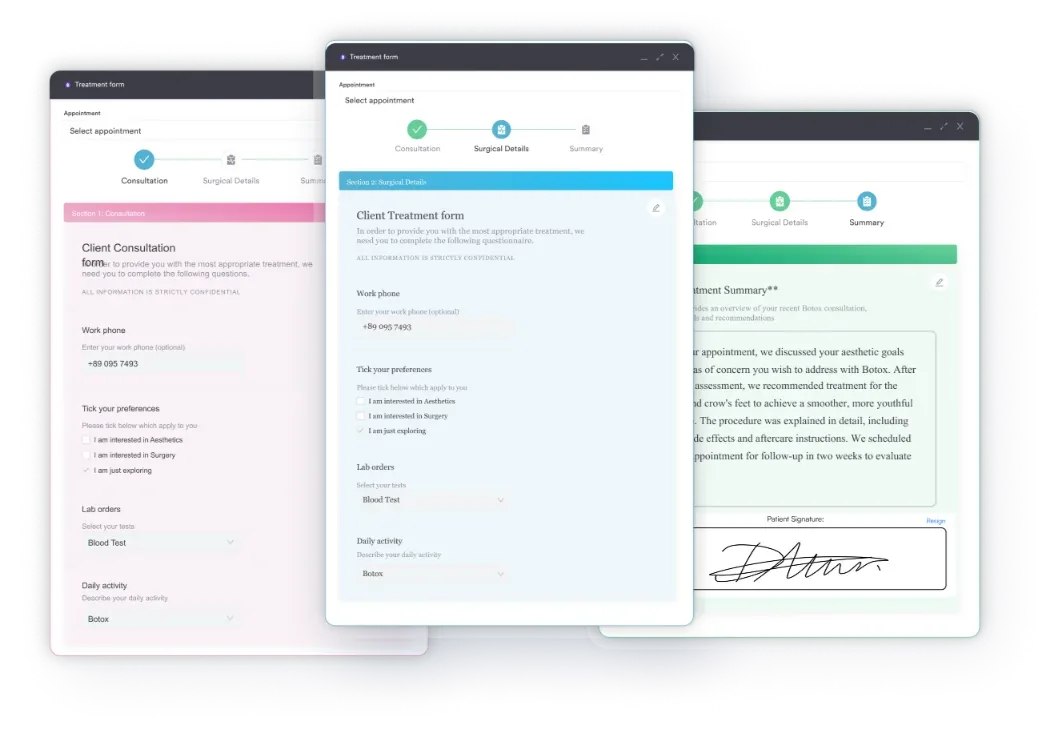
An endocrinology quiz is a structured assessment tool that evaluates understanding of the endocrine system through multiple-choice questions.
It covers hormones (chemical signaling molecules), endocrine glands (organs that produce hormones), feedback mechanisms (how the body self-regulates hormone levels), and common clinical disorders. In turn, the quiz captures patient or clinician knowledge in areas like diabetes management, thyroid disorders, adrenal function, and the hypothalamic-pituitary axis.
Clinicians use endocrinology quizzes for: staff training and continuing professional development (ensuring team members understand endocrine physiology before managing complex cases), patient education (assessing baseline knowledge before delivering treatment information), and exam preparation (supporting medical students and nursing students revising for formal qualifications).
From a regulatory and educational perspective. As a result, it becomes a solid record for clinical governance, compliance audits, and CPD accreditation.
This endocrinology quiz is split into themed sections, and each one covers a core skill in endocrine physiology and clinical practice.
Each section contains 3-5 multiple-choice questions with a complete answer key and clinical reasoning. In addition, educators and clinicians use these notes to teach the thinking behind correct answers, turning the quiz from a simple test into a teaching tool.
The core section of any endocrinology quiz covers the major endocrine glands, their hormones, and main functions.
Quiz questions in this section ask clinicians to identify glands by location or function, match hormones to their glands. Above all, this core knowledge supports every other part of the quiz.
A good patient management system files each completed scale under the right patient automatically.
The body maintains stable hormone levels through negative and positive feedback loops. For this reason, this principle shows up in every endocrinology quiz.
Ultimately.
The clinical section of an endocrinology quiz focuses on three common endocrine disorders that clinicians see often.
Each disorder has its own symptoms and care pathways. So quiz questions test how clinicians personalize treatment plans based on the specific disorder and patient.
In total, a complete endocrinology quiz includes 20-25 multiple-choice questions spread across the sections above.
Example question 1: “Which of the following hormones is regulated primarily by negative feedback from circulating cortisol levels?” Answer: ACTH (adrenocorticotropic hormone). Clinical context: In practice, understanding this feedback loop helps clinicians read abnormal cortisol and ACTH levels when working up suspected Cushing’s syndrome.
Example question 2: “A 45-year-old patient presents with fatigue, weight gain, cold intolerance, and elevated TSH (8.2 mIU/L) with low free T4. What is the most likely diagnosis?” Answer: Primary hypothyroidism. Clinical application: Clinicians must recognize this pattern and initiate thyroid replacement therapy while counseling patients on symptom resolution timelines.
Example question 3: “The hypothalamic-pituitary-adrenal axis is controlled by negative feedback. Which step would be suppressed if a patient had chronically elevated cortisol?” Answer: Release of CRH (corticotropin-releasing hormone) from the hypothalamus and ACTH from the anterior pituitary.
Clinical significance: This principle allows clinicians to interpret why ACTH can be low in secondary (pituitary) adrenal insufficiency but high in primary (adrenal) insufficiency.
Each question includes a clear note on why the other options are wrong, not just which one is correct. This way.
Using an endocrinology quiz well means knowing its structure and the learning goals you want to reach.
Overall, this structured approach turns the quiz from a one-time test into a living teaching and compliance tool tied to your practice’s learning goals.
In fact, an endocrinology quiz template serves many healthcare settings and professional groups.
Medical schools and nursing programs use quizzes like this during anatomy and physiology modules to check student understanding before exams. For example, the multiple-choice format mirrors USMLE, NCLEX, and professional qualification formats, helping students build exam-taking skills.
Hormone replacement therapy practices give endocrinology quizzes to patients before prescribing therapy, which supports informed consent and baseline knowledge. Notably, practices managing gender-affirming hormone therapy, menopause management, or testosterone replacement all benefit from structured patient education.
Functional medicine and metabolic health practitioners use quizzes to check how well patients understand how diet, stress, and lifestyle affect hormones. As a result, education becomes a core step alongside supplements or lab testing.
Mental health practices treating mood, anxiety, and ADHD know that endocrine problems (thyroid, adrenal, reproductive hormone imbalances) can mimic or worsen mental health symptoms. Similarly, endocrinology quizzes make sure staff can teach patients about this link.
Staff training and continuing professional development – any practice managing endocrine conditions needs team members (nurses, prescribers, admin staff) to understand core concepts. As a result, an endocrinology quiz brings knowledge together across roles.
Compliance and records. Using a standard endocrinology quiz creates solid records of patient education and staff skill. Records like this support the kind of documentation regulators look for during inspections, and they align with the educational standards promoted by bodies like the Endocrine Society. A completed quiz gives your practice that paper trail.
Consistent education. Every team member uses the same questions and answers, so patients get no mixed messages about hormones and disorders. As a result, that consistency builds patient confidence and cuts follow-up questions.
Measurable learning outcomes. Pre-quiz and post-quiz scores show whether education has been effective. If team members’ scores improve 30% after a training session, you have clear proof that the training worked. That’s valuable for CPD portfolios and accreditation audits.
Time-efficient testing. A 20-question quiz takes 15-20 minutes to complete, so it stays practical for busy practices. By comparison, informal chats about hormone knowledge give you data slowly, while a quiz captures it quickly and clearly.
Targeted teaching. When quiz results show which topics are weakest (for example, a poor grasp of thyroid feedback), you know exactly where to focus. So you waste no time on topics the team already knows well.
Flag team members or patients who score below 60% on the initial endocrinology quiz for one-on-one coaching before they manage complex cases. Use the answer explanations as teaching scripts during these sessions, and re-quiz after 2-3 weeks to confirm understanding. This targeted support prevents costly clinical errors.
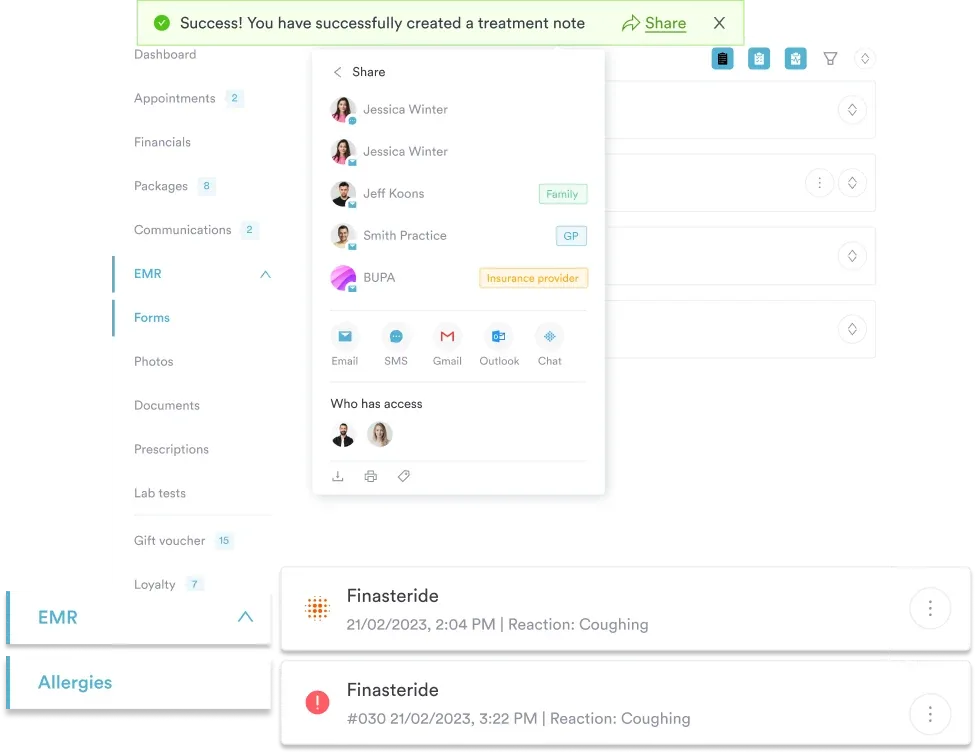
Pabau fits naturally into workflows like this. After a patient completes an endocrinology quiz, their responses save directly to the client record, giving the clinician a clear view of what to cover before the consultation starts.
Educators using an endocrinology quiz can adapt it to different teaching settings.
In-class assessment during anatomy and physiology lectures: Give the quiz mid-module (after covering hormones and glands but before disorders) to identify which concepts students have internalized. Review incorrect answers in the next class session, using real patient case studies to illustrate why the endocrine system matters clinically.
Exam preparation study groups: Distribute the quiz 2-3 weeks before formal exams. Students work through it individually, then discuss answers collectively. The built-in notes act as a “tutorial” that backs up textbooks without needing instructor time.
Staff onboarding in endocrine specialty practices: New nurses or prescribers take the endocrinology quiz on their first day. Scores below 70% trigger mentoring or extra training. Then re-quiz after 2 months; improvement shows the new hire is picking up the knowledge.
CPD accreditation: Self-directed learning like this typically counts toward CPD requirements with most professional bodies. Record quiz completion dates, scores, and time spent, then upload records to your CPD portfolio. An endocrinology quiz completed annually demonstrates ongoing professional development in endocrine medicine.

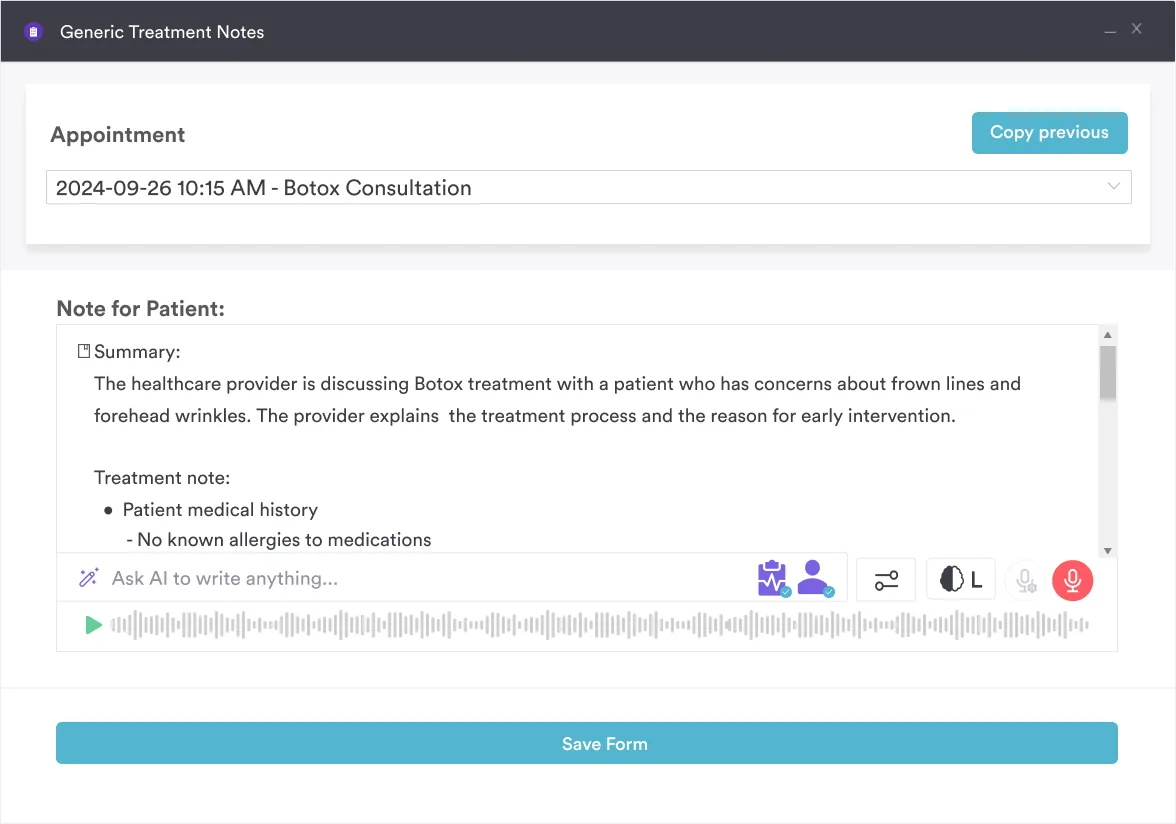
Pabau’s digital forms and clinical documentation features let you deploy educational quizzes directly in patient consultations, auto-populate learning outcomes into charts, and track team competency over time. See how Pabau supports both patient education and staff training.

In summary, an endocrinology quiz is a core teaching tool that helps clinicians, patients, and staff understand hormonal health and spot common endocrine disorders.
This template gives you a ready-made resource covering glands, hormones, feedback loops, diabetes, thyroid problems, and adrenal disorders. In short, these are the core skills every healthcare professional needs.
Ultimately, using it in patient consultations, staff training, and ongoing CPD creates clear evidence of education while driving real gains in knowledge and clinical outcomes. Book a demo to see how Pabau combines education tracking with secure clinical records.

Running a first sexual health consultation? This sexology consultation note template covers presenting symptoms, history, fertility, and standard symptom-score prompts for first visits.
Assessing sexual orientation during intake? This Kinsey scale reference sheet explains the 0-6 rating system, the X category, and ethical protocols for intake use.
Tracking hormone levels through menopause instead? This menopause hormone levels template enables systematic tracking of FSH, estradiol, and LH across perimenopause, menopause, and postmenopause.
An endocrinology quiz covers hormones and endocrine glands (structure and function), feedback mechanisms and homeostasis, common endocrine disorders (diabetes, thyroid, adrenal conditions), and clinical applications of endocrine knowledge. Most quizzes include 20+ multiple-choice questions with detailed answer explanations.
A typical 20-question endocrinology quiz takes 15-20 minutes to complete, depending on the clinician’s familiarity with the content. Allow an additional 10-15 minutes for review of answers and explanations during group learning.
Endocrine glands secrete hormones directly into the bloodstream for internal regulation (thyroid, pancreas, adrenals). Exocrine glands secrete products through ducts to external surfaces (sweat glands, salivary glands, oil glands). Endocrinology quizzes focus on endocrine physiology; exocrine function is covered briefly as context.
Negative feedback is the dominant control mechanism: when hormone levels rise, signaling to the hypothalamus and pituitary suppresses further secretion, maintaining stable levels. Positive feedback is rarer and occurs when a hormone triggers more of itself (e.g., estrogen surge before ovulation). Both are tested in endocrinology quizzes.
Diabetes mellitus (Type 1 and Type 2), thyroid dysfunction (hypothyroidism and hyperthyroidism), and adrenal disorders (Cushing’s syndrome, Addison’s disease) are the three most-tested endocrine conditions. These appear in every major medical exam and are encountered frequently in clinical practice across multiple healthcare settings.
Yes, this page offers a complete endocrinology quiz PDF with 20+ multiple-choice questions and full answer explanations. Download it above to use in your practice, educational setting, or staff training program.
Deploy the quiz mid-module or before exams to assess baseline knowledge, use answer explanations as teaching content in group discussions, and re-administer after education to measure learning gains. Document completion for CPD accreditation. For patient education, use pre-quiz scores to identify weak spots, then tailor clinical explanations to address those areas.