CPT Code 62284: Injection procedure for myelography
CPT Code 62284: official descriptor and procedure overview The American Medical ...

Last Updated: Oct 19, 2026
A4772 is the HCPCS Level II code for blood glucose test strips, for dialysis, per 50.
The dialysis-specific designation in the code description is clinically significant. A4772 is distinct from general-purpose blood glucose test strip codes. The distinction matters because monitoring occurs in the dialysis clinical context, where glucose fluctuations are a routine management concern. Billers should not substitute A4772 for non-dialysis glucose strip codes, or vice versa, since payer coverage rules differ between the two use cases.
For broader context on how CPT and HCPCS billing codes differ in structure and application, Pabau's procedure code library covers both systems.
Let Pabau's smart automation suggest the right codes, reduce claim denials, and keep your practice compliant—effortlessly.
Automate repetitive tasks and focus on what matters most—your patients.
Reduce coding errors and ensure compliance with the latest regulations.
Clean claims, fewer denials, and faster reimbursements.
Powerful insights and reporting to help your practice thrive.
HIPAA compliant SOC 2 certified GDPR-compliant Trusted by 4,000+ clinics worldwide

HCPCS code A4772 describes blood glucose test strips for dialysis, per 50 — a Level II HCPCS supply code maintained by CMS under the Medical and Surgical Supplies category.
A4772 is billed by DME suppliers and dialysis facilities to Medicare Part B. The billing unit is per 50 strips, so accurate unit counting directly affects reimbursement.
Modifiers such as KX (necessity established) and RR (rental) are commonly required. Missing a required modifier is among the most frequent causes of A4772 claim denials.
Practice management software like Pabau helps billing teams centralize documentation and monitor claim status, reducing the back-office rework that drives A4772 claim resubmissions.
Medicare reimburses A4772 through the Durable Medical Equipment, Prosthetics, Orthotics, and Supplies (DMEPOS) fee schedule, updated annually by CMS. Rates vary by geographic locality and are subject to competitive bidding program adjustments in applicable areas. Because fee schedule amounts change each calendar year, this article does not publish a specific dollar figure without a dated CMS source.
To find the current 2026 Medicare payment amount for A4772, use the CMS DMEPOS fee schedule page. Search by HCPCS code and locality to see the applicable rate. Key rate considerations include:
Effective procedure code fee schedules are the backbone of accurate reimbursement planning. Building a lookup workflow into your billing process, rather than relying on memory from last year’s rates, reduces underbilling and avoids fee schedule compliance issues.
A4772 coverage under Medicare Part B is governed by Local Coverage Determinations (LCDs) issued by the relevant Medicare Administrative Contractor (MAC) for each jurisdiction. National Coverage Determinations (NCDs) may also apply. Coverage is not automatic. The claim must establish medical necessity based on the beneficiary’s documented clinical need for glucose monitoring in the dialysis treatment context.
Medicaid coverage varies by state. Some state Medicaid programs follow federal Medicare LCD criteria; others apply separate coverage determinations. Billers serving Medicaid beneficiaries should verify coverage rules directly with the relevant state Medicaid agency before submitting A4772 claims. Maintaining HIPAA-compliant documentation practices is a prerequisite for substantiating coverage eligibility across both payers.
Before submitting any A4772 claim, verify that your practice falls within the correct MAC jurisdiction and pull the current LCD for that contractor. LCDs are accessible through the CMS Coverage Database and are updated independently of the national fee schedule. A claim that meets the national description but fails a MAC-specific LCD criterion will be denied regardless of code accuracy.
Correct unit counting is the single most common billing error on A4772 claims. Because the code is defined as “per 50 strips,” a supplier providing 100 strips in one month must bill quantity 2, not quantity 1. Billing quantity 1 for 100 strips results in a 50% underpayment that cannot be corrected after timely filing limits expire.
The core billing workflow for A4772 follows this sequence. Integrate it with your EHR integration for billing workflows to reduce manual entry errors:
An inventory management tool flags when supply usage and supply billing drift apart.
Modifiers communicate specific circumstances about the claim to the payer. For A4772, modifier requirements depend on the supplier type, rental status, and beneficiary circumstances. Using an incorrect or missing modifier causes immediate denial in most Medicare processing systems.
Modifier usage requirements are set by the applicable MAC LCD and the CMS Medicare Claims Processing Manual. Always verify modifier requirements against the current LCD for your jurisdiction. Source modifier guidance from the AAPC HCPCS code reference or the CMS manual, rather than relying on prior-year workflows. Requirements can change at the start of each fiscal year. The billing compliance checklist framework also covers modifier documentation requirements applicable across supply codes.
Every A4772 claim requires at least one ICD-10-CM diagnosis code that establishes medical necessity. The diagnosis must reflect the patient’s documented need for blood glucose monitoring in the dialysis setting. CMS and MAC LCDs specify which diagnoses support coverage. The following codes are commonly accepted for A4772 claims, though billers should always verify against the applicable LCD before submitting.
Do not use ICD-10-CM codes from memory on A4772 claims. Pull the crosswalk from the applicable MAC LCD each year. Payers do not accept diagnosis codes that appear on their non-covered or excluded lists, even if the code is clinically accurate. For billers managing ICD-10 crosswalks across multiple DME codes.
CMS requires DME suppliers to maintain documentation that substantiates every element of an A4772 claim. Missing or incomplete documentation is the leading cause of post-payment audits and overpayment demands on supply codes. The core documentation set for A4772 includes:
Organizing these documents at the point of supply, rather than reconstructing them at audit, is the most reliable audit-mitigation strategy. This reduces the missing documentation that creates A4772 audit exposure. Separately.
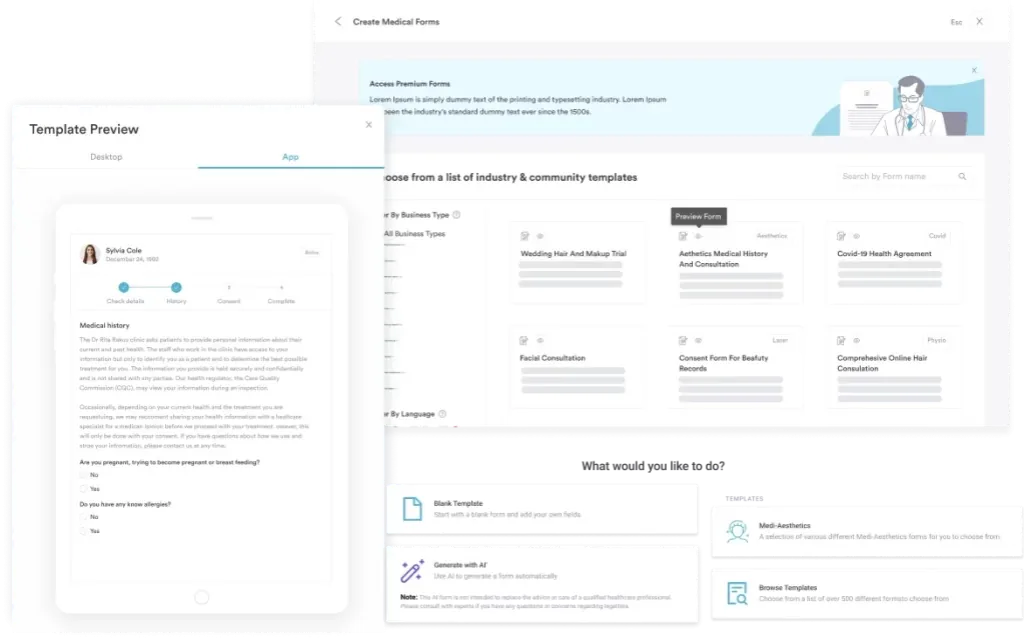
CMS and MAC LCDs establish quantity limits for A4772 that billers must follow to avoid automatic denials and pre-payment review flags. Quantity limits are expressed as the maximum number of billing units (each unit = 50 strips) allowed per defined time period.
The specific quantity limit applicable to A4772 is set in the MAC LCD for your jurisdiction, not in a single national policy. Key principles that apply broadly:
Overbilling beyond the allowed quantity, even unintentionally, creates False Claims Act exposure. Build quantity verification into your billing workflow as a pre-submission checkpoint. For practices also managing claims under other supply codes.
A4772 sits within a cluster of HCPCS codes covering glucose monitoring supplies and DME-adjacent products. Understanding the related codes reduces cross-code billing errors and supports accurate claim differentiation. Use the PGM Billing HCPCS lookup tool to verify active status and current descriptors for any related code before billing.
A4253 is the most frequently confused code. The critical distinction: A4253 covers home blood glucose monitoring strips for general use, while A4772 is specific to the dialysis clinical context. Payers apply different LCDs, coverage criteria, and quantity limits to each code. Substituting one for the other, even unintentionally, creates a claim accuracy issue. Billers managing supply code libraries benefit from EMR software for DME billing that enforces code-specific rules at the point of claim creation. The denial code on the remittance names the reason, and grouping by that reason turns rework into prevention. The CARC denial code list is short enough to learn, and most rework traces to a handful of entries.
Run a quarterly audit of all A4772 claims billed in the prior period. Check three things: Unit counts match strips dispensed divided by 50, every claim has a KX modifier where the LCD requires one, and proof of delivery is on file for every line. Most A4772 compliance problems are found and fixed through routine self-audits before an external review triggers them.
DME suppliers and dialysis facilities often track modifier requirements, delivery proof, and claim status across spreadsheets, email threads, and paper files. The same patchwork shows up at infusion centers and primary care practices billing similar supply codes. That makes it easy to miss a required modifier or lose track of a pending claim.
Pabau’s claims management tools bring that tracking into a single system. They help billing teams centralize documentation and monitor claim status in one place, cutting the back-office work that drives claim rework.
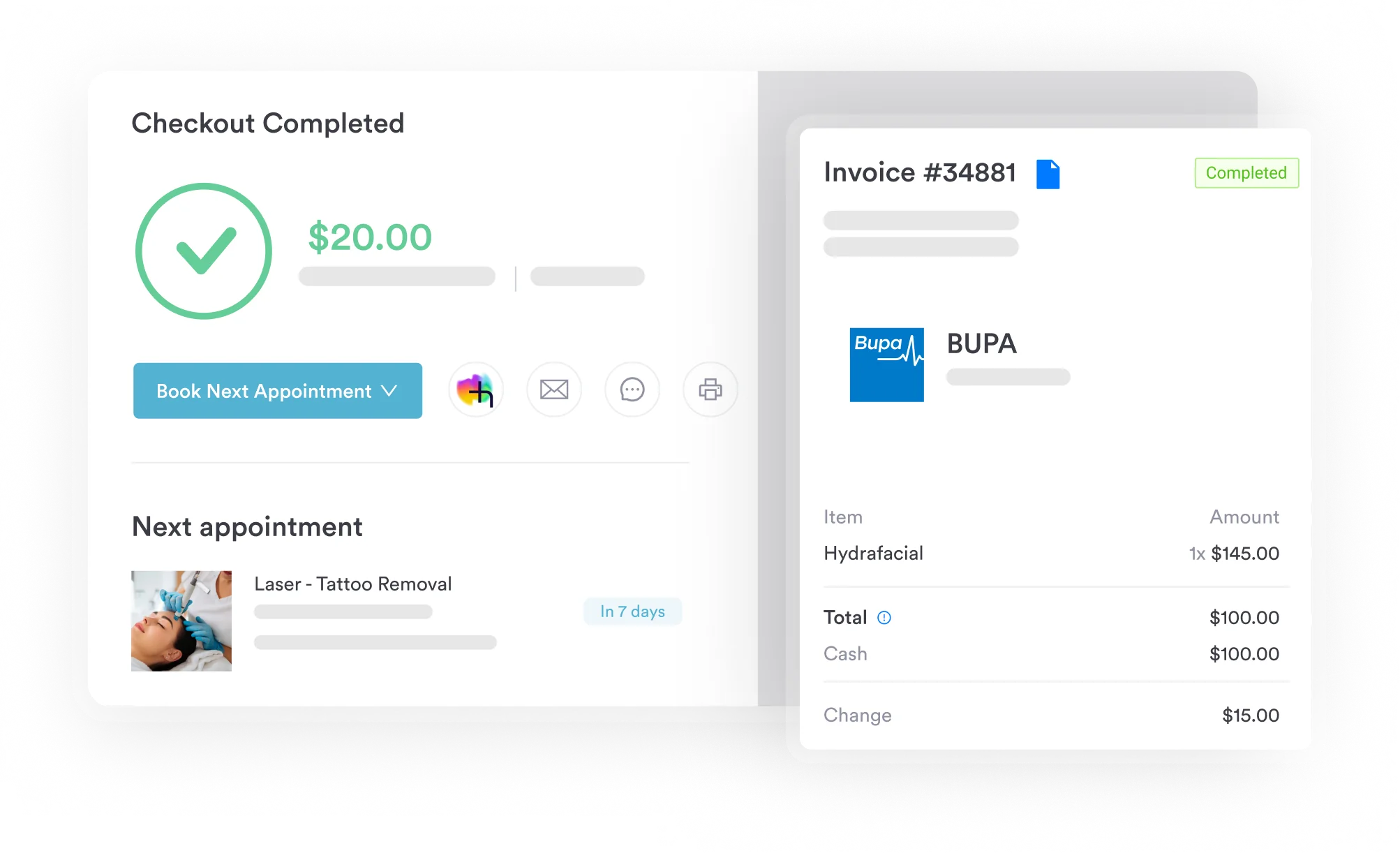

Pabau helps billing teams centralize documentation and track claim status, reducing the back-office work that leads to denials and resubmissions.

A4772 claim errors cluster around three points: incorrect unit counts, missing modifiers, and missing documentation at the time of delivery. Each is preventable with a structured pre-submission workflow.
Consolidating dialysis supply billing inside one platform, rather than splitting it across spreadsheets and separate systems, reduces the rework that drives A4772 compliance exposure. Book a demo to see how Pabau supports healthcare billing teams.

Billing another DME supply code? A4652 walks through claim accuracy and documentation rules for a different supply item.
Managing enteral nutrition claims too? B4154 covers billing units, modifiers, and documentation for a related DME code.
Need a home health billing reference? G0157 breaks down billing guidelines for physical therapist assistant services.
Coding a cardiac device claim? C1824 explains billing for a cardiac contractility modulation generator.
HCPCS code A4772 is the Level II HCPCS code for blood glucose test strips for dialysis, per 50 strips. It is maintained by CMS under the Medical and Surgical Supplies category and is used by DME suppliers and dialysis facilities billing Medicare Part B and Medicaid for glucose monitoring supplies used in the dialysis clinical context.
Medicare reimbursement for A4772 is set through the DMEPOS fee schedule and varies by geographic locality and competitive bidding area. CMS publishes updated rates at the start of each calendar year. Use the CMS DMEPOS fee schedule lookup tool, filtered to A4772 and your locality, to obtain the current 2026 payment amount; specific dollar figures change annually and are not published here without a dated CMS source.
Required documentation includes a signed physician order predating the date of service, proof of delivery with the beneficiary’s signature, medical records supporting glucose monitoring necessity in the dialysis context, and an Advance Beneficiary Notice if coverage is in doubt. Some MAC LCDs also require a Certificate of Medical Necessity or detailed written order; verify the applicable LCD for your jurisdiction.
Quantity limits for A4772 are set by the MAC LCD applicable to your jurisdiction, not a single national rule. Generally, the allowable quantity is tied to the documented testing frequency: One unit (50 strips) covers a month of once-daily testing. Quantities above the standard allowance require documentation of higher testing frequency and may trigger pre-payment review. Verify current limits with your MAC before dispensing above-standard amounts.
A4253 covers blood glucose test strips for home blood glucose monitors in a general use context, while A4772 is specific to dialysis settings. The two codes are governed by different LCDs, carry different coverage criteria, and apply different quantity limits. Substituting one code for the other constitutes a claim accuracy error even if the physical product supplied is similar.
Yes, A4772 is covered under Medicare Part B’s DME benefit when medical necessity is established and the supplier is a Medicare-enrolled DMEPOS supplier. Coverage is governed by the MAC LCD for the supplier’s jurisdiction. Medicaid coverage for A4772 varies by state and should be verified separately with the relevant state Medicaid agency.