CCSD Code S5535: Description, tariff, medical aid and claim requirements
CCSD Code S5535: Official description and procedure scope CCSD Code S5535 is a b...

Last Updated: Nov 20, 2026
T7790 is the CCSD code for excision of benign soft tissue tumour (eg glomus, giant cell).
Let Pabau's smart automation suggest the right codes, reduce claim denials, and keep your practice compliant—effortlessly.
Automate repetitive tasks and focus on what matters most—your patients.
Reduce coding errors and ensure compliance with the latest regulations.
Clean claims, fewer denials, and faster reimbursements.
Powerful insights and reporting to help your practice thrive.
HIPAA compliant SOC 2 certified GDPR-compliant Trusted by 4,000+ clinics worldwide

CCSD Code T7790 covers surgical excision of benign soft tissue tumours, with glomus and giant cell tumours specifically named in the descriptor.
The code sits in Chapter 15 (Skin and Subcutaneous Tissue) of the CCSD Schedule, used by Bupa, AXA Health, and other UK private insurers.
Most UK insurers require pre-authorisation and a histopathology report confirming benign status before settling a T7790 claim.
Pabau’s clinical documentation and billing tools support accurate T7790 coding, operative note capture, and claim tracking for UK private practices.
CCSD Code T7790 is defined in the CCSD Schedule as: Excision of benign soft tissue tumour (eg glomus, giant cell). The code applies whenever a surgeon removes a benign mass originating in the soft tissues, with glomus tumours and giant cell tumours of the tendon sheath (GCTTS) listed as representative examples. The parenthetical “eg” signals that the code is not exclusive to those two types. It also covers other discrete benign soft tissue masses where no more specific CCSD code exists. Use the Bupa CCSD billing guide alongside insurer-specific fee schedules when preparing an invoice.
The code is based on a single excision episode and does not distinguish by anatomical site within the soft tissues. Whether the tumour sits at the fingertip, palm, wrist, or foot, the same code applies provided the mass is benign and no more specific Chapter 15 code is indicated.
The surgical approach varies by tumour type and location, but most T7790 cases follow a broadly consistent intraoperative pathway. Understanding the steps helps coding staff match the operative note to the code accurately.
A glomus tumour is a benign vascular neoplasm arising from the glomus body, most commonly located beneath the fingernail (subungual). Patients typically present with severe point tenderness, cold sensitivity, and aching pain at the fingertip. Excision is curative in the majority of cases. The operative note should document the subungual site, the approach (nail reflection), tumour dimensions, and the confirmatory clinical triad. Failure to record size and depth in the note is a common driver of insurer queries on T7790 claims.
Giant cell tumour of tendon sheath (GCTTS) is the most common benign soft tissue tumour of the hand, arising from the synovium of tendon sheaths, most frequently in the fingers. It presents as a slow-growing, painless firm nodule. Local recurrence after excision occurs in roughly 10 to 30 per cent of cases depending on completeness of excision and proximity to the joint. The operative note must record the relationship of the tumour to the tendon sheath, the technique for ensuring complete removal, and any intraoperative findings suggesting joint involvement. Recurrence is not a basis for upcoding to a malignant tumour code.
Not every soft tissue mass removal falls under T7790. The table below sets out the main inclusion and exclusion boundaries coders encounter in practice.
Coders frequently query whether a neighbouring code better fits the presentation. The table below covers the codes most often confused with T7790 in Chapter 15 and relevant adjacent chapters.
Key distinction: T7790 applies to masses arising within the soft tissue compartment (subcutaneous or deeper). Intradermal lesions belong under skin lesion excision codes. When the histology report categorises the specimen as a nerve sheath tumour or ganglion rather than a soft tissue mass, switch codes accordingly and resubmit with an amendment note.
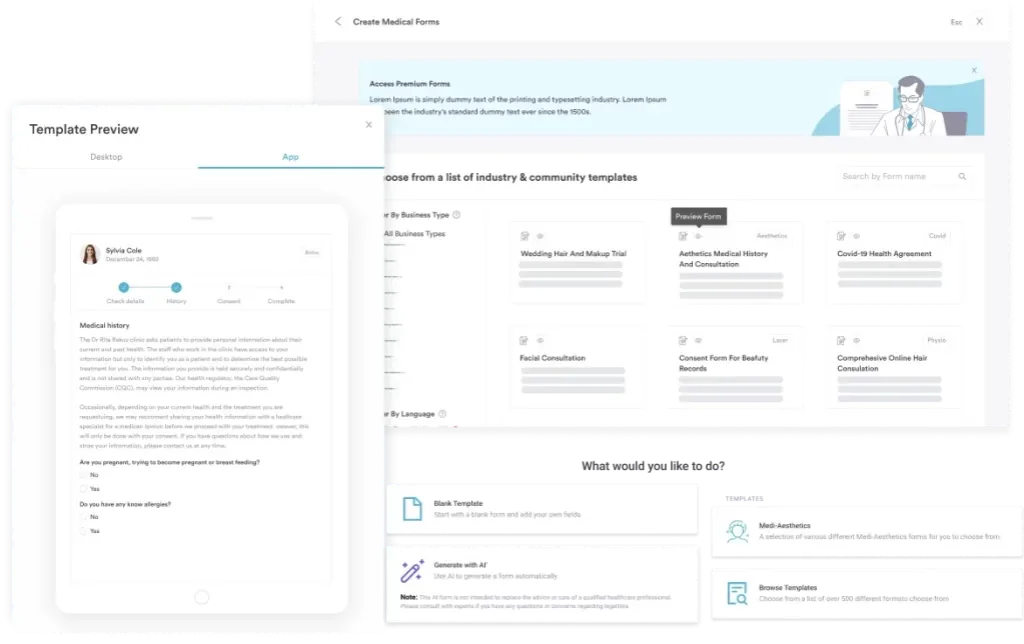
Inadequate documentation is the leading reason insurers query or refuse T7790 claims. Pabau’s digital clinical forms can be configured to prompt clinicians for every required data point at the point of care, reducing post-episode chasing.
The following items are expected by most UK private medical insurers before settling a T7790 claim:
Pre-authorisation requirements for soft tissue tumour excision vary by insurer, but elective surgical procedures under T7790 almost always require prior approval. Using Pabau’s compliance workflows to track authorisation status before the procedure date prevents the most avoidable claim failures.
If a procedure proceeds without pre-authorisation and the insurer later declines to retrospectively authorise, the clinician may need to absorb the cost or enter a lengthy dispute process. Always confirm authorisation status in writing before the procedure date and retain the authorisation reference number. Specific pre-auth rules change periodically; verify directly with each insurer before each episode.

Pabau supports UK private practices with CCSD code workflows, clinical documentation, and claim tracking. See how it works for your team.

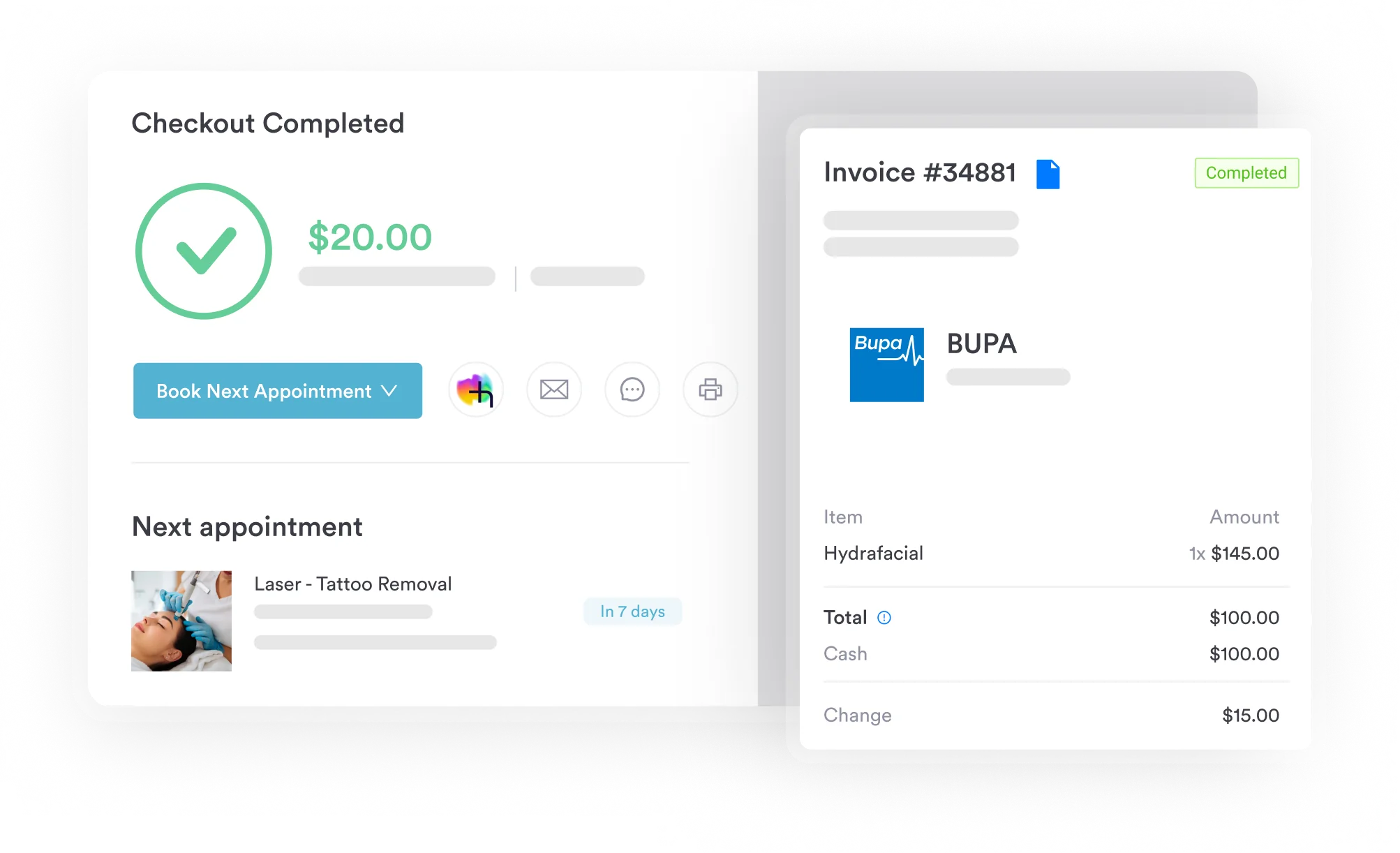
Healthcode is the principal electronic billing clearinghouse used by UK private practices to submit CCSD-coded claims to PMI providers. The step-by-step process below applies to most insurer portals accessed via Healthcode, though interface details vary by insurer.
Pabau’s claims management software stores CCSD codes, links the operative note to the claim record, and flags incomplete documentation fields before submission, reducing the chance of avoidable rejections.
Understanding why T7790 claims are refused makes it possible to prevent denials upstream. The following are the most frequent rejection triggers seen in UK private practice billing.
A rejected T7790 claim is not necessarily final. Most UK insurers have a formal clinical appeal process and many reversals succeed when adequate supporting evidence is provided. The steps below apply to Bupa, AXA Health, and most other PMI providers, though timelines and submission portals vary.
Document the appeal submission date, the portal reference number, and the name of the insurer contact for every appeal you raise. Insurers occasionally lose uploaded appeal bundles. A timestamped submission record prevents the case being closed on administrative grounds.
UK private practices billing under CCSD Code T7790 face a consistent documentation challenge: The operative note, consent record, and histology reference must all be linked to the claim before submission. Pabau’s clinical record management keeps every patient-related document in one place, so billing staff can verify completeness before exporting to Healthcode.
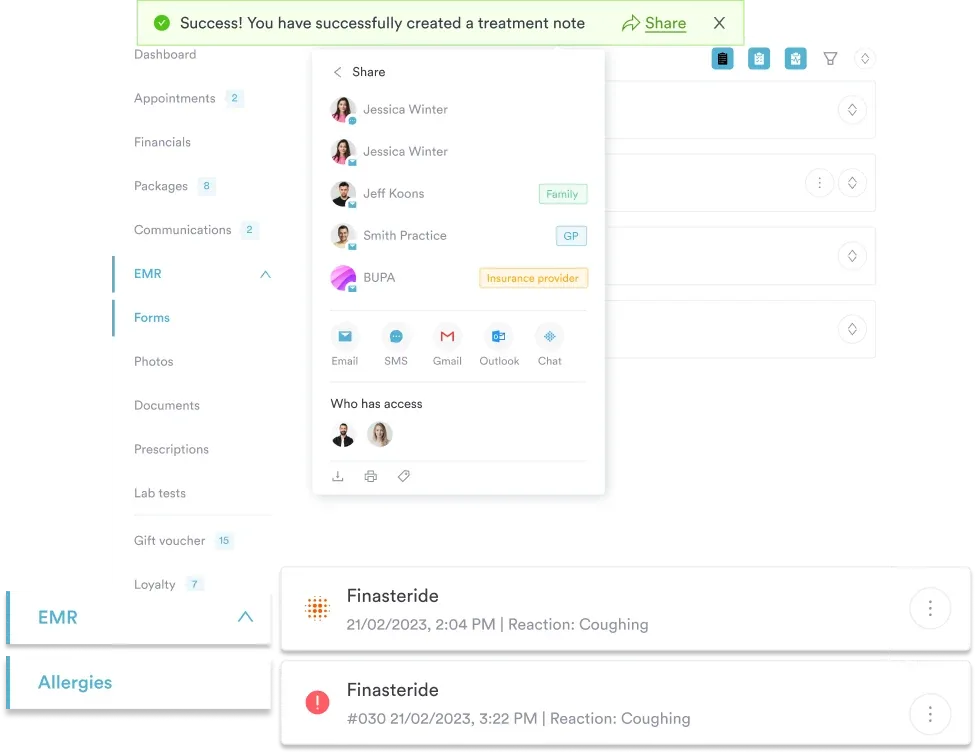
Key Pabau capabilities relevant to T7790 workflows include structured clinical note templates (configurable for operative note fields like tumour dimensions, anatomical site, and excision technique), plastic surgery practice management features built for private surgical teams, and claim status tracking that surfaces outstanding documentation gaps before submission. For practices managing multiple CCSD procedures and several PMI relationships simultaneously, having the pre-authorisation reference, the histology report, and the operative note linked to a single patient record significantly reduces the administrative burden of claim preparation.
CCSD Code T7790 is a straightforward code when the documentation is in order, but claim failures are disproportionately common because practices underestimate what insurers need to see. The fix is consistent: Obtain pre-authorisation, dispatch the specimen for histology, write a complete operative note, and pair the correct ICD-10 diagnosis code on every claim.
Pabau’s clinical documentation and billing tools help UK private practices meet those requirements systematically, with configurable operative note templates and claim tracking that flags gaps before submission. To see how Pabau handles CCSD coding workflows, book a demo with the team.

Need a broader CCSD billing reference for Bupa procedures? Bupa CCSD codes guide covers code structure, fee schedules, and submission requirements for UK private practice.
Looking for a practice management platform built for UK private surgical teams? Plastic surgery practice management explains how Pabau supports surgical workflows from consent through post-operative care.
Want to reduce documentation gaps before claim submission? Digital clinical forms can be configured to prompt clinicians for every required data field at the point of care.
CCSD Code T7790 covers the surgical excision of a benign soft tissue tumour, with glomus tumours and giant cell tumours of the tendon sheath named as examples in the official descriptor. It applies to any discrete benign soft tissue mass removed from the subcutaneous or deeper soft tissue compartment where no more specific CCSD code exists.
T7790 is specific to benign soft tissue tumours. Lipoma excision, ganglion cyst removal, nerve sheath tumour excision, and malignant soft tissue tumour excision each have their own CCSD codes. Use T7790 only when the mass is a discrete benign soft tissue tumour confirmed by clinical assessment and, after surgery, by histopathology.
Yes, in most cases. Bupa and AXA Health both require pre-authorisation for elective surgical procedures, and T7790 is an elective procedure for most presentations. Obtain written authorisation and record the reference number before the procedure date. Retrospective authorisation is frequently refused, leaving the practice exposed to the full fee.
The most common reasons are: Missing pre-authorisation, no histopathology report attached, an operative note that lacks tumour dimensions or anatomical site, an absent or mismatched ICD-10 diagnosis code, or duplicate billing alongside a skin lesion excision code for the same procedure episode. Addressing all five points before submission resolves the majority of denials.
Yes. Subungual glomus tumour excision is one of the named examples in the T7790 descriptor. The operative note should document the nail-reflection approach, the subungual site, and tumour dimensions. Some insurers may query whether a nail unit procedure code applies; the operative record makes clear that this is a soft tissue tumour excision, not a nail-unit procedure.
Most UK insurers require a formal histopathology report confirming benign classification of the excised specimen. The report should include the pathologist’s diagnosis, specimen dimensions, and margin status. Submit the report reference number on the claim and retain the full report in the patient record. Insurers may request the full report during a claim audit.