GLP-1 usage by state: Who’s taking, searching and paying in 2026
GLP-1 usage by state peaks in West Virginia, America’s GLP-1 capital, with...

Last Updated: Oct 16, 2026

Mesotherapy aftercare includes a phased recovery timeline: 24-hour restriction period, 48-72 hours of ongoing care, then gradual return to normal activities.
Redness, swelling, and bruising are normal post-treatment reactions that typically resolve within 3 days. Persistent symptoms beyond 72 hours warrant practitioner contact.
Avoid makeup, heat, alcohol, NSAIDs, and strenuous exercise for 24-48 hours post-treatment to prevent complications and maximize outcomes.
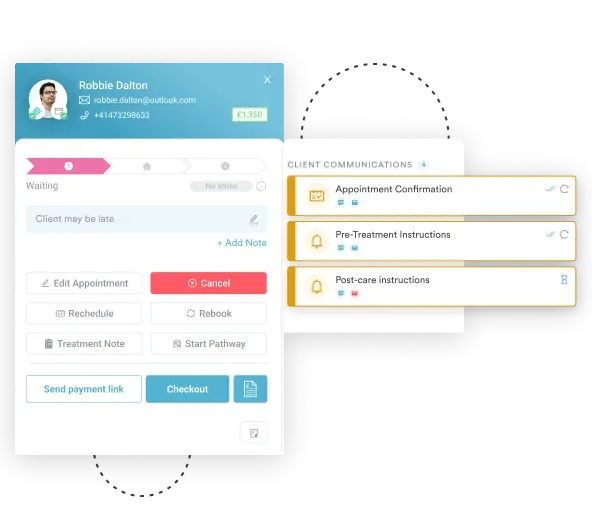
Pabau’s pre- and post-care templates and automated SMS or email communications help practices deliver consistent aftercare instructions, track patient compliance, and schedule maintenance appointments seamlessly.
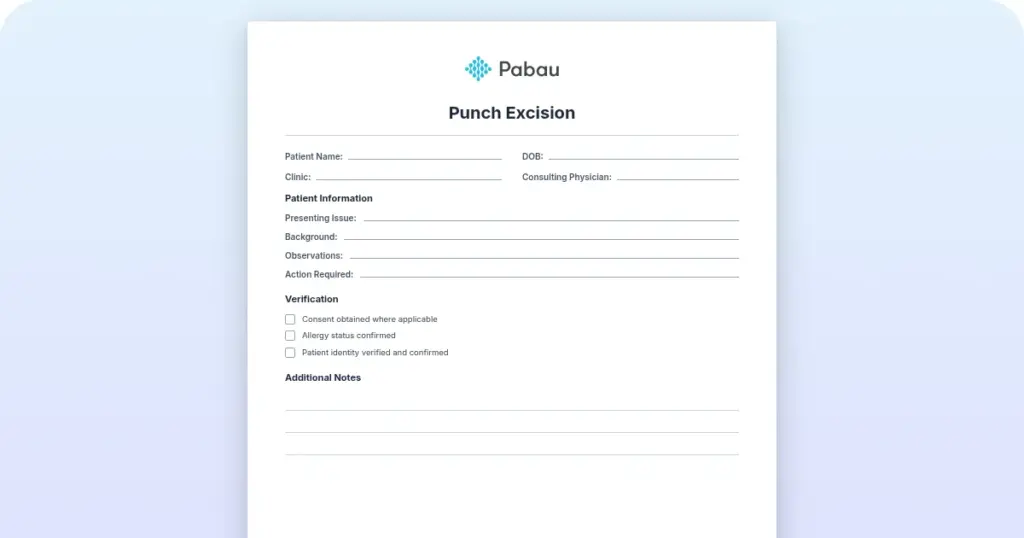
A ready-to-use aftercare protocol covering recovery timeline, injection site care, side effect management, skincare product restrictions, and red-flag warning signs for practices to distribute to patients after mesotherapy treatment.
Download templateMesotherapy aftercare begins immediately after treatment and continues for at least one week. Proper post-treatment guidance reduces bruising, minimizes infection risk, and helps patients understand what reactions are expected versus which symptoms warrant practitioner contact.
The first 24-48 hours after mesotherapy typically involve temporary swelling, redness, and bruising at injection sites. These are normal inflammatory responses. Most patients experience mild to moderate reactions that peak at 24-48 hours and resolve within 3-5 days. Small bumps or lumps at the injection sites often fade within 48 hours as the solution disperses.
Understanding these expected reactions helps patients feel reassured rather than alarmed, improving compliance with aftercare instructions and follow-up appointment attendance.
The first 24 hours are the highest-risk window for complications. Strict avoidance of heat, makeup, touching the treated area, and strenuous activity prevents secondary infection and reduces swelling. Patients should keep the treated area clean and dry, gently pat (never rub) with a clean towel, and avoid active skincare routines.
Patients should apply a gentle, fragrance-free moisturizer and broad-spectrum SPF 30+ sunscreen (if going outside). Practice management software like Pabau can automate this step:

By 48 hours, inflammation typically peaks and then begins subsiding. Patients can cautiously reintroduce gentle skincare and light makeup, though treated areas may still feel tender. By day 7, most redness has faded and swelling is minimal, allowing return to normal activities including exercise and heat exposure.
If your current platform cannot handle digital worksheets, compare Carepatron alternatives before committing.
The treated skin is in a heightened state of sensitivity post-mesotherapy. Practitioners should provide patients with specific product guidance to prevent irritation and support healing. Consistent messaging matters most in high-volume settings like a medspa or skin clinic, where dozens of patients need the same instructions every week.
Most post-mesotherapy reactions resolve spontaneously and require no intervention. However, practitioners must educate patients on red-flag symptoms that warrant immediate contact. This differentiation is critical for patient safety and medico-legal protection.
Practices should provide clear contact protocols – a direct phone number, WhatsApp line, or email monitored during business hours. According to NHS guidance on cosmetic procedures, practitioners must document all patient contact and any reported complications for audit and regulatory compliance.
Mesotherapy encompasses several delivery and solution variants, each with subtly different aftercare considerations. Our downloadable template can be customized for each modality, but key differences include:
When implementing variant-specific aftercare, our automated workflows enable practices to branch post-treatment communications based on the service type selected at booking, ensuring each patient receives tailored guidance.
Mesotherapy typically requires a course of 4-6 treatments spaced 2-4 weeks apart to achieve optimal results. Branded cocktails such as Toskani’s peptide and vitamin blends also build results across a course of sessions. Our Toskani consent form template covers eligibility and contraindication screening before the first visit. Patients should maintain results through a maintenance routine and scheduled follow-up appointments. Skin hydration, sun protection.
Practices using patient portals can send reminders for follow-up sessions and maintenance appointments, improving treatment compliance and revenue retention. A simple two-sentence reminder sent 3 weeks post-treatment (“Your mesotherapy course continues next week – book your appointment now”) can meaningfully improve rebooking and show-rates.
Not all patients are suitable candidates for mesotherapy. The downloadable template should include a contraindication reminder so practices can reference it during pre-treatment consultations. Absolute contraindications include pregnancy, active skin infection, severe bleeding disorders, and allergy to mesotherapy solution components. Relative contraindications (requiring practitioner judgment) include autoimmune conditions, uncontrolled diabetes, and active inflammatory skin conditions. Practitioners should reference current American Academy of Dermatology guidance on injectable treatments when screening patients.
Distributing aftercare instructions manually creates inconsistency and often results in patient non-compliance. Pabau’s email and SMS campaigns allow practices to schedule aftercare communications immediately after treatment: A detailed SMS on day zero, an email on day two with product recommendations, and a reminder on day 14 to book the follow-up appointment. Getting the tone right matters as much as the timing – our communication styles worksheet has tips for wording that reassures patients rather than alarming them. This systematic approach reduces post-treatment complications, improves patient satisfaction, and increases follow-up booking rates by ensuring every patient receives the same evidence-based guidance. Consent, photos and the treatment note belong in the same patient record, which is what medical spa software does.
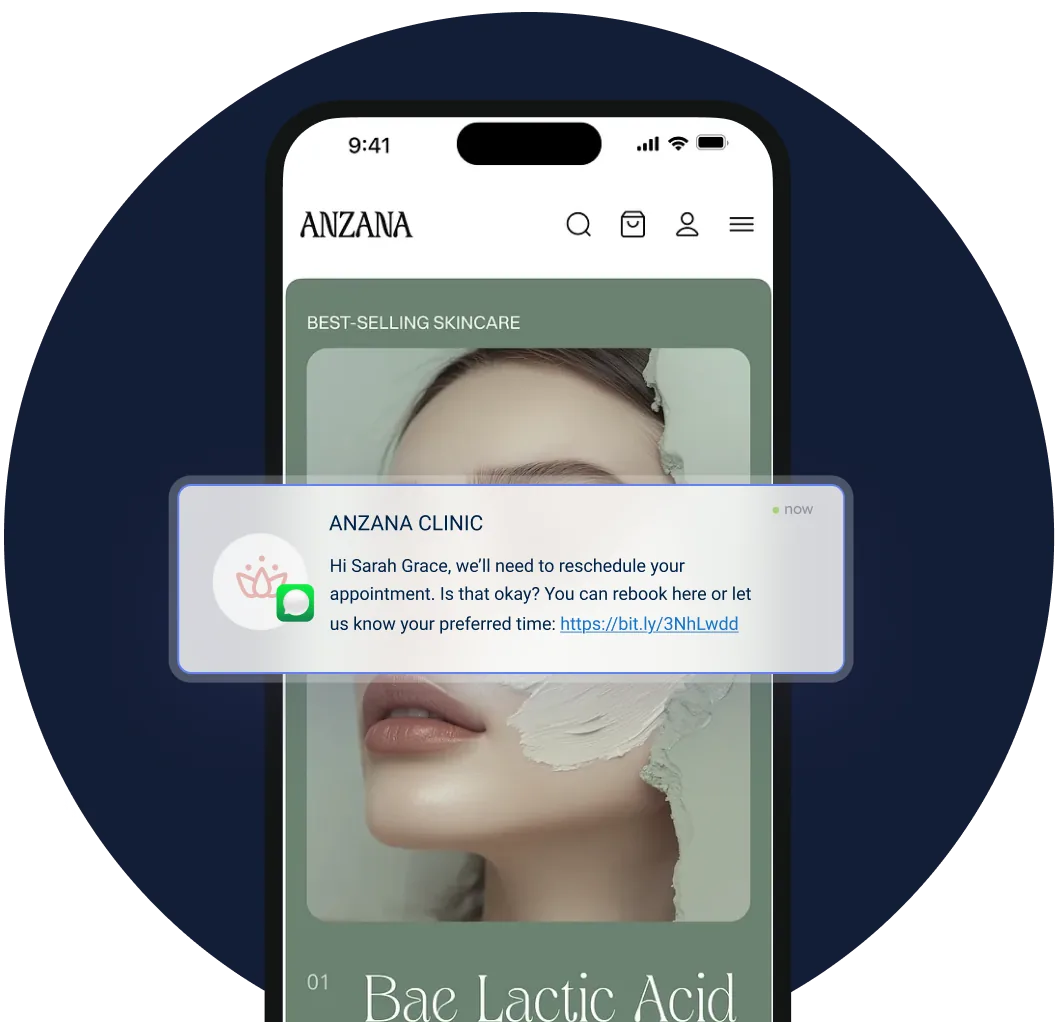

Send templated aftercare instructions, track patient compliance, and schedule follow-up appointments automatically-so your team focuses on clinical care, not manual follow-ups.

Comprehensive mesotherapy aftercare instructions are essential for practice credibility, patient safety, and treatment outcomes. This downloadable template provides the structure practices need to communicate recovery phases, activity restrictions, product guidance, and red-flag warning signs consistently. Combined with Pabau’s automated follow-up workflows, practices can deliver professional, evidence-based aftercare that reduces complications and strengthens patient trust.
Ready to standardize your aftercare process? Book a demo to see how Pabau’s templates and automation features streamline patient communication.

Need a structured consultation form for mesotherapy patients? Our aesthetic interest questionnaire template captures patient goals, skin type, and contraindications in one streamlined intake.
Want to automate patient follow-up bookings? Lead management tools with automated reminders ensure no patient falls through the cracks between treatment phases.
Looking for before-and-after photo management? Clinical photography tools help track mesotherapy results across your patient cohort for audit and outcome documentation.
Avoid makeup, heat (saunas, hot showers), alcohol, NSAIDs, strenuous exercise, and touching or rubbing the treated area for at least 24 hours. These increase circulation, bruising, and infection risk during the critical first recovery window. If you take a prescribed blood thinner, check with your prescribing physician before stopping it.
Most side effects (redness, swelling, bruising) resolve within 3-5 days. However, full skin recovery and visible results may take 2-4 weeks, particularly after the first treatment in a series. Plan for minimal downtime in terms of visible symptoms. Most patients can return to work the next day.
Yes, but gently. Use cool or lukewarm water and a non-foaming cleanser, and pat dry with a clean towel without rubbing. Avoid washing directly over the treated area for the first 24 hours if possible. Wait 48 hours before reintroducing active skincare ingredients like retinol or acids.
Yes, bruising is a normal inflammatory response, especially if needles penetrated deeper tissues or the patient is prone to bruising. Most bruising fades within 5-7 days. Severe, spreading, or persistent bruising beyond one week should be reported to your practitioner.
For the first 24 hours, use only gentle, fragrance-free moisturizer and SPF 30+ sunscreen. After 48-72 hours, you can reintroduce hyaluronic acid serums and other hydrating products. Wait at least 48 hours before using retinol, AHAs, BHAs, or vitamin C serums.
Contact your practitioner immediately if you experience signs of infection (increasing redness, warmth, pus, fever), severe swelling beyond the treated area, blistering, persistent pain beyond 48 hours, or unusual skin reactions. These are not normal and require professional assessment.