Alex Koch
What state has the most plastic surgery per capita? America’s cosmetic map in 20 numbers
What state has the most plastic surgery per capita? Florida is America’s p...

Last Updated: Oct 16, 2026
Free PDF 1 page, print-ready Clinician-reviewed
Download your free Adam’s apple reduction aftercare template Adam’s Apple Reduction (Tracheal Shave) Aftercare Instructions A ready-to-use post-operative care template covering wound care protocols, activity restrictions, pain and swelling management, recovery milestones, and emergency warning signs for patients recovering from tracheal shave surgery. Download template Adam’s apple reduction, also known as tracheal shave or chondrolaryngoplasty, […]
A ready-to-use post-operative care template covering wound care protocols, activity restrictions, pain and swelling management, recovery milestones, and emergency warning signs for patients recovering from tracheal shave surgery.
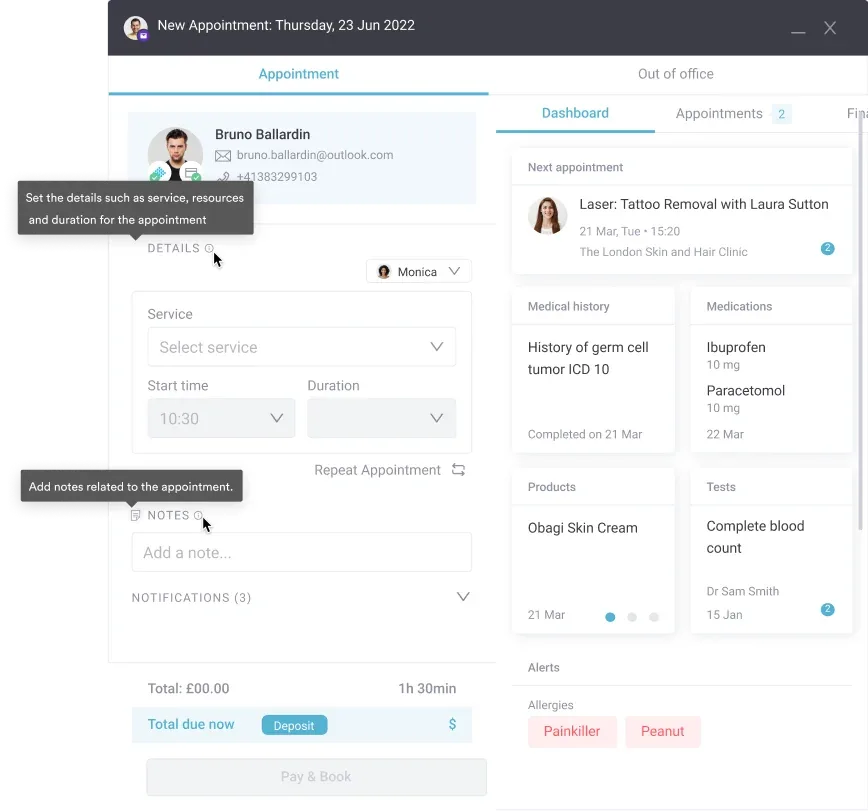
Upload this PDF, or any form you already use, and Pabau's AI Form rebuilds it with tick boxes, text fields and a signature. Attach it to the treatment once, and every patient gets it on time.
AI Form rebuilds the consent, history and aftercare forms you already use. You review each one, then publish.
Patients complete forms on their phone before they arrive, so the front desk stops retyping paper.
Every signed form is versioned and attached to the treatment record, ready when you need it.
Set how long a consent stays valid. Returning patients skip forms they have already signed.
Supports HIPAA and GDPR compliance AES-256 encryption 4.8 on G2 4.7 on Capterra Trusted by 4,000+ practices worldwide

Adam’s apple reduction (chondrolaryngoplasty / tracheal shave) is a surgical procedure that reduces the prominence of the laryngeal cartilage through a small horizontal neck incision.
Post-operative recovery typically involves swelling, voice changes, and restricted neck movement for 1-2 weeks, with full healing over 6-8 weeks.
Proper aftercare including wound care, activity modification, and pain management directly impacts surgical outcomes and minimizes complication risk.
Pabau’s digital forms and patient portal streamline pre-operative consent collection and post-operative recovery tracking for surgery practices.
Adam’s apple reduction, also known as tracheal shave or chondrolaryngoplasty, is a surgical procedure that reduces the prominence of the thyroid cartilage in the neck. It is commonly performed for patients seeking facial feminization, gender-affirming care, or a smoother neck profile.
Clear, structured aftercare instructions guide patients through the first eight weeks of healing and cut the number of avoidable follow-up calls to your front desk. This guide walks through the procedure, the recovery timeline, and how to run consent and aftercare digitally, with a free template you can download and adapt to your protocols.
Adam’s apple reduction, medically termed chondrolaryngoplasty, is a surgical procedure that reshapes the thyroid cartilage to create a smoother, less prominent neck contour. The procedure is performed through a small horizontal incision placed within the natural neck crease, minimizing visible scarring.
During the surgery, the surgeon carefully shaves down the anterior surface and lateral wings of the laryngeal cartilage while preserving the integrity of the vocal cords and surrounding structures. The procedure typically takes 30 to 90 minutes and is usually performed on an outpatient basis under local or general anesthesia.
Adam’s apple reduction serves multiple purposes across different patient populations. For transgender women and non-binary individuals, it is a key component of facial feminization surgery (FFS), supporting gender-affirming goals. For cisgender individuals, the procedure addresses aesthetic concerns about a prominent Adam’s apple or improves neck harmony in the context of broader facial recontouring.
According to surgical literature on chondrolaryngoplasty, the procedure is safe and effective when performed by experienced surgeons. When done correctly, the procedure does not affect voice quality or vocal cord function, though patients may experience temporary voice changes during early healing due to swelling.
The aftercare instructions template provided in this guide is designed to streamline your practice’s post-operative patient communication and support optimal recovery outcomes. Here are five essential steps for implementing these instructions:
Implementing structured aftercare improves patient compliance, reduces complication rates, and strengthens your practice’s reputation for thorough, compassionate post-operative care.
This aftercare template serves multiple healthcare settings and specialties:
GP practices often build forms like this into GP clinic software so records stay complete and auditable.
Improved patient outcomes: Clear, structured aftercare instructions reduce post-operative complications by guiding patients through the critical early healing phase. Proper wound care, activity modification, and recognition of warning signs directly support successful surgical recovery.
Enhanced patient confidence: Patients who receive detailed aftercare guidance feel supported throughout recovery. Knowing what to expect reduces anxiety and increases adherence to post-operative protocols.
Legal and compliance protection: Documented discharge instructions and signed patient acknowledgment provide evidence that informed consent was obtained and aftercare education was delivered. This protects your practice in case of complications or disputes.
Streamlined practice workflow: Standardized templates reduce the time staff spend creating individualized instructions for each patient.
Consistent communication: Every patient receives the same evidence-based aftercare guidance, regardless of which surgeon or staff member is managing their care. Consistency strengthens your practice’s brand and reduces variability in patient experiences.
Document post-operative swelling and recovery progress with photo tracking. Ask patients for consent to take standardized before and after photos at week 1, week 4, and week 12. Store these images securely in the patient’s digital record using Pabau’s before-and-after photo feature, which allows you to compare outcomes and provide visual reassurance to patients during recovery.
Understanding the expected recovery timeline helps patients distinguish normal post-operative effects from complications requiring medical attention. Recovery from Adam’s apple reduction follows a predictable pattern, though individual variation exists based on surgical technique and patient factors.
Days 0-2 (Immediate post-operative period): Swelling peaks, throat discomfort and mild pain are expected, voice may be hoarse or weak due to anesthesia and swelling. Patients should rest, apply ice as directed, and take prescribed pain medication. Limited neck movement is normal due to discomfort and protective muscle tension.
Week 1: Swelling begins to subside gradually. Voice may remain hoarse as swelling decreases. Patients should continue activity restrictions, avoid heavy lifting or strenuous exercise, and maintain proper wound care. First follow-up appointment typically occurs at 7 days to assess healing and remove sutures if needed.
Weeks 2-4: Significant improvement in swelling and discomfort. Voice quality normalizes as laryngeal edema resolves. Patients may resume light activities but should avoid strenuous exercise or contact sports. Scar begins to mature and fade. Most patients can return to work during this phase if their job does not involve heavy physical exertion.
Weeks 4-8: Near-complete resolution of swelling. Full voice restoration. Patients can usually resume all normal activities, including exercise, though high-impact sports may be restricted until week 8-12. Scar continues to improve in appearance over months to years.
Warning signs that require immediate medical attention include:
Successful Adam’s apple reduction outcomes depend partly on thorough pre-operative consultation and appropriate patient selection. Before surgery, clinicians should assess whether the procedure aligns with patient goals and whether the patient is a suitable candidate.
Clinical assessment factors: Examine the degree of thyroid cartilage prominence relative to other facial and neck features. Assess voice quality and vocal cord function via laryngoscopy if clinically indicated. Review medical history for previous neck surgery, thyroid conditions, or voice disorders that may affect surgical planning or outcomes.
Patient education and realistic expectations: Discuss expected outcomes including residual cartilage visibility (complete removal is not possible without risking voice damage), timeline for swelling resolution, and scar appearance. Clarify that the procedure does not address skin laxity or other neck aging signs that may require additional procedures.
Informed consent specifics: Ensure patients understand risks including temporary voice changes, infection, bleeding, unsatisfactory cosmetic result, and rare complications. According to American Society of Plastic Surgeons (ASPS) standards, informed consent must document the patient’s understanding of these risks and their agreement to proceed.
For gender-affirming procedures, follow guidance from WPATH (World Professional Association for Transgender Health) Standards of Care, which outline appropriate assessment and documentation for gender-affirming surgical procedures. This context is particularly important for obtaining insurance approval when applicable and for supporting patient autonomy and informed choice.
Use your clinical documentation system to record pre-operative assessment findings, patient education topics discussed, and informed consent specifics. This creates a comprehensive record supporting both clinical continuity and compliance documentation.
Efficient integration of aftercare templates into your practice’s existing workflows maximizes their benefit and reduces friction for staff and patients. Consider these implementation strategies:
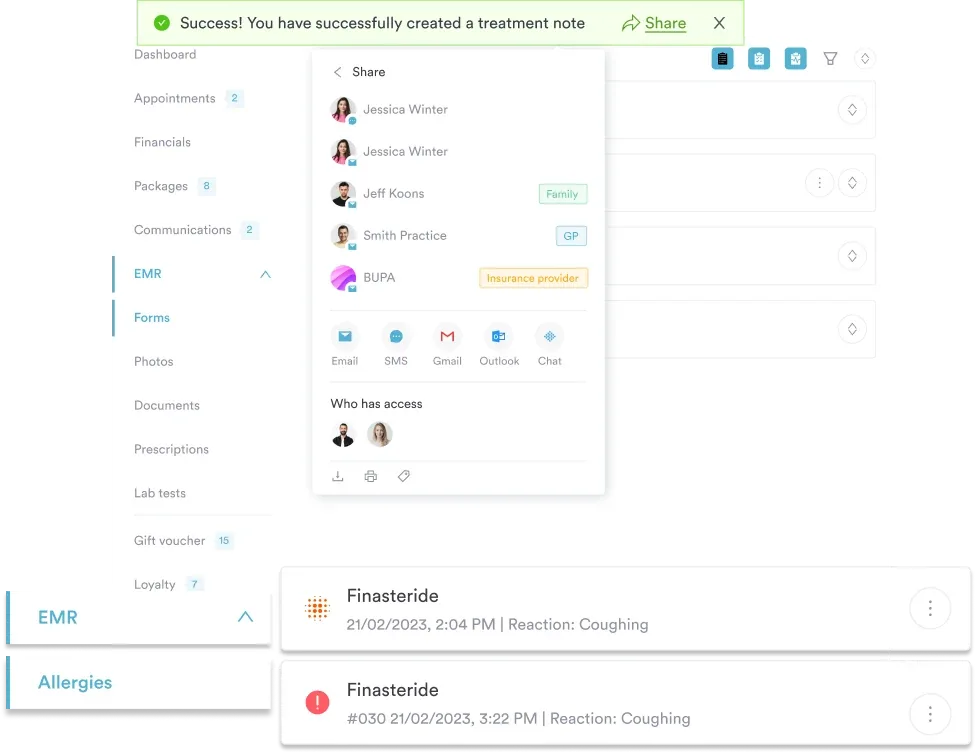
Modern practice management systems like Pabau’s patient management platform integrate templates, automated workflows, and patient communication tools in one system, reducing redundancy and improving patient experience. A busy aesthetic practice offering both surgical and non-surgical treatments needs one system to manage scheduling, records and follow-up.

Manage pre-operative consent, post-operative instructions, and recovery tracking all in one integrated platform. Automate patient reminders, store clinical records securely, and improve outcomes with organized workflows.

Adam’s apple reduction is a straightforward, well-established procedure that delivers meaningful results for patients seeking gender-affirming care or aesthetic improvement of the neck. The key to patient satisfaction and optimal surgical outcomes is comprehensive post-operative support.
Structured, evidence-based aftercare instructions do more when paired with automated patient communication and integrated clinical documentation. Together they help your practice reduce complications, improve patient confidence, and build a reputation for thorough surgical care. Use the downloadable template as a starting point, then adapt it to your practice’s protocols, surgical approaches, and patient population.

Adding dimple surgery to your procedure list? Dimple surgery aftercare template offers a free download covering recovery, wound care, and warning signs.
Managing multiple post-operative patients simultaneously? Patient scheduling software with automated follow-up helps you track post-operative appointments and recovery milestones without manual oversight.
Want to showcase before and after results? Before and after photo management provides secure, HIPAA-compliant image storage and patient consent workflows that build trust and support clinical documentation.
Adam’s apple reduction, medically called chondrolaryngoplasty or tracheal shave, is a surgical procedure that reduces the prominence of the thyroid cartilage in the neck through a small horizontal incision in the natural neck crease. The surgeon carefully shaves down the anterior cartilage surface while preserving vocal cord function.
Recovery occurs in stages: peak swelling subsides by week 2-4, voice normalizes by week 3-4, and most patients resume normal activities by week 6-8. However, final scar maturation and cartilage remodeling continue for 6-12 months.
Temporary voice changes (hoarseness, weakness) are normal during the first 1-2 weeks due to swelling and anesthesia effects. These resolve as swelling decreases. When performed by experienced surgeons, the procedure does not permanently damage vocal cord function or voice quality.
In the US, Adam’s apple reduction typically costs between $3,000 and $5,500, excluding anesthesia and facility fees. When the procedure is performed as gender-affirming care, some insurance plans cover part of the cost, though coverage varies by policy and location.
Risks include temporary voice changes, infection, bleeding, unsatisfactory cosmetic result, and rarely, vocal cord injury. Following post-operative aftercare instructions significantly reduces complication risk. Infection signs (fever, increasing redness, discharge) warrant immediate medical attention.
Yes. Adam’s apple reduction is commonly performed as part of comprehensive facial feminization surgery (FFS) alongside forehead contouring, rhinoplasty, chin reduction, or other procedures. Combined procedures may extend operative time and recovery, but are often performed safely with proper surgical planning.
The template covers post-operative wound care instructions, activity restrictions by recovery phase, pain and swelling management, warning signs of complications, follow-up appointment scheduling, and patient acknowledgment of care instructions. It is designed for easy customization to match your practice’s specific surgical techniques and protocols.