CCSD code L8530: Recurrent varicose vein re-exploration
CCSD code L8530: Definition and clinical scope CCSD code L8530 is the billing co...

Last Updated: Nov 18, 2026
S7010 is the CCSD code for wedge excision or avulsion of a nail, including chemical ablation of the nail bed. The ablation, usually with phenol, is part of the code and is not billed on its own.
S7010 sits in chapter 15 of the CCSD schedule, under Lesions of skin. AXA Health lists it as a minor procedure. Surgical excision of the nail bed (Zadik's procedure) has its own code, S6400.
Let Pabau's smart automation suggest the right codes, reduce claim denials, and keep your practice compliant—effortlessly.
Automate repetitive tasks and focus on what matters most—your patients.
Reduce coding errors and ensure compliance with the latest regulations.
Clean claims, fewer denials, and faster reimbursements.
Powerful insights and reporting to help your practice thrive.
HIPAA compliant SOC 2 certified GDPR-compliant Trusted by 4,000+ clinics worldwide

CCSD code S7010 covers wedge excision or avulsion of a nail, with chemical ablation of the nail bed included in the same code.
Chemical ablation with phenol or sodium hydroxide is part of S7010, so it is never billed as a separate line.
L60.0 (ingrowing nail) is the most common WHO ICD-10 pairing. Record the side and the digit in the procedure note.
S7010 is billed to UK private medical insurers such as Bupa, AXA Health, Aviva and VitalityHealth. Get the authorisation number before treatment.
The CCSD schedule defines S7010 as wedge excision or avulsion of nail including chemical ablation of nail bed. AXA Health’s published code schedule lists S7010 under that wording in chapter 15.
CCSD (Clinical Coding & Schedule Development) is the UK procedure schedule owned by Bupa, AXA Health, Aviva and Vitality. UK private insurers use it to identify, price and pay for treatment.
The code covers the whole surgical episode. The nail edge or plate is removed, then the germinal matrix is destroyed chemically so that part of the nail can’t regrow. S7010 sits in chapter 15 (Skin and subcutaneous tissue), under Lesions of skin. To check a neighbouring procedure, you can search more CCSD codes in our code library.
The procedure usually follows the same sequence. The clinician gives a digital nerve block and applies a tourniquet to the toe. They then excise the offending nail edge (wedge excision) or remove the whole nail plate (avulsion).
The exposed matrix is treated with phenol, commonly an 80% solution, or with sodium hydroxide. The wound is then flushed and dressed, and the patient goes home with aftercare instructions.
Chemical ablation is what makes the procedure permanent. Without it, the nail regrows and the patient comes back. That clinical distinction is also the billing distinction: a temporary avulsion with no matrix destruction doesn’t match the S7010 descriptor.
S7010 is correct when the clinician removes a nail segment or the full plate and chemically destroys the matrix in the same session. The indication is usually a painful, recurrent or misshapen nail that conservative care hasn’t resolved.
Common indications include:
S7010 doesn’t apply when no chemical ablation is performed. A temporary avulsion or simple nail care belongs under a different code, and the record must show what was done. Insurers check exactly this point when they query a claim. A note that mentions no phenol or sodium hydroxide doesn’t support S7010.
Chapter 15 of the CCSD schedule has two nail procedures, and coders sometimes pick the wrong one. The table sets out how S7010 differs from S6400, the code for Zadik’s procedure.
Fees are from AXA Health’s published chapter 15 schedule, checked in November 2026. AXA Health also lists a separate £142 general anaesthesia fee for S7010. Other insurers set their own fees, so check each insurer’s schedule before quoting a patient. For Bupa’s figures, see our guide to Bupa procedure codes.
AXA Health also lists S6400 as an unacceptable combination with S7010, so the two can’t be billed together. The chart below sets out which code fits the note, and which codes can’t share a claim with S7010.
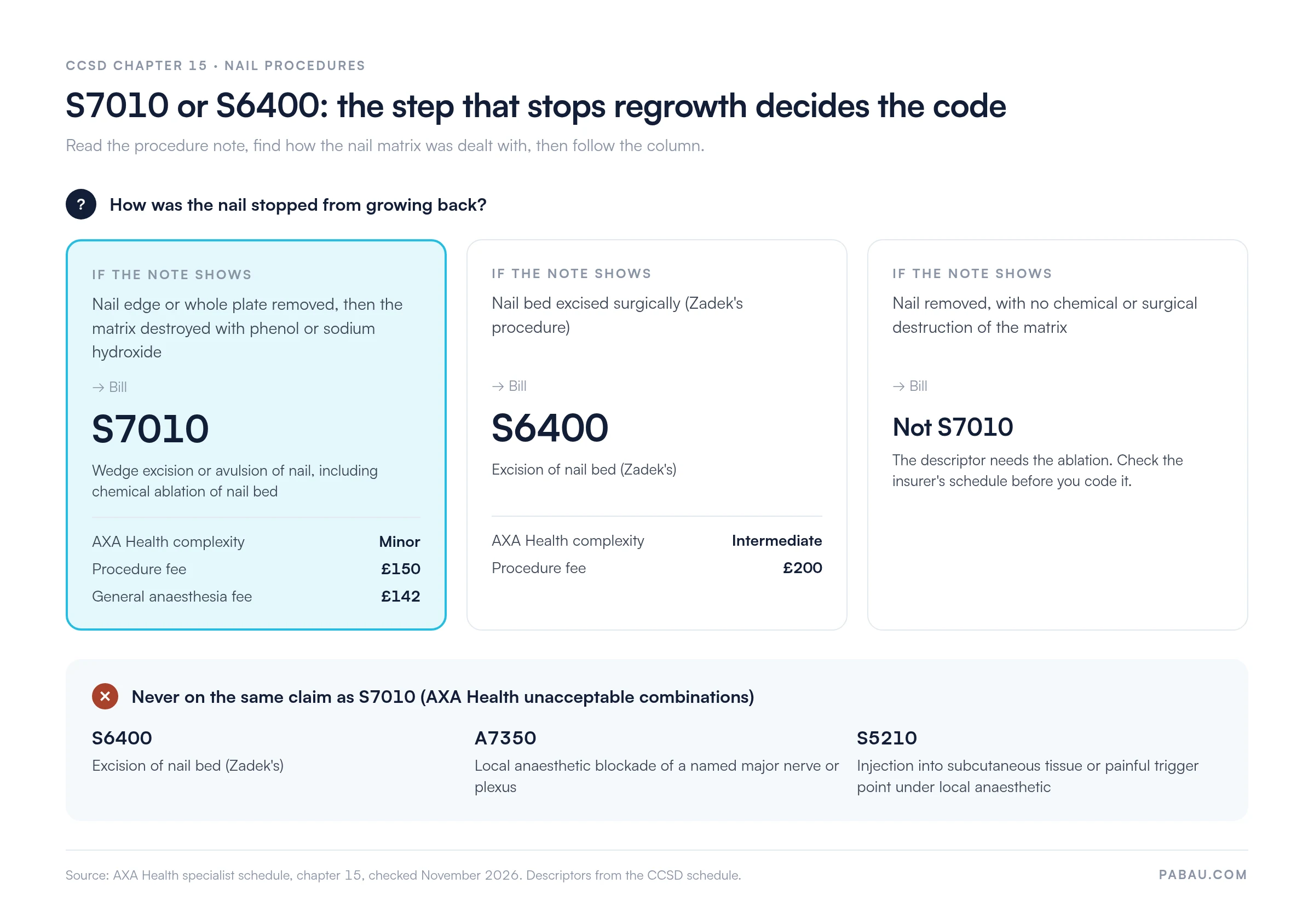
If neither descriptor matches what was done, don’t force the nearest code. Check the insurer’s schedule or call its provider team before you bill.
UK insurers code diagnoses with WHO ICD-10, not the US ICD-10-CM. Every S7010 claim needs a diagnosis that names the nail problem and matches the clinical notes. A vague or mismatched diagnosis is a common reason for a claim query.
Look each code up in the WHO ICD-10 browser before you submit. L60.1 is onycholysis, not onychogryphosis, so check the fourth character carefully.
Record the side and the specific digit (for example, right hallux or left fourth toe) in every S7010 procedure note. Insurers can ask for this detail when they query a claim, and a note without it reads as incomplete.
Documentation is where most S7010 claims succeed or fail. The record must show that the procedure performed matches the code submitted. A claims reviewer looks for both parts: the removal and the ablation. A note that says only “nail avulsion” doesn’t support S7010.
A complete S7010 procedure note should include:
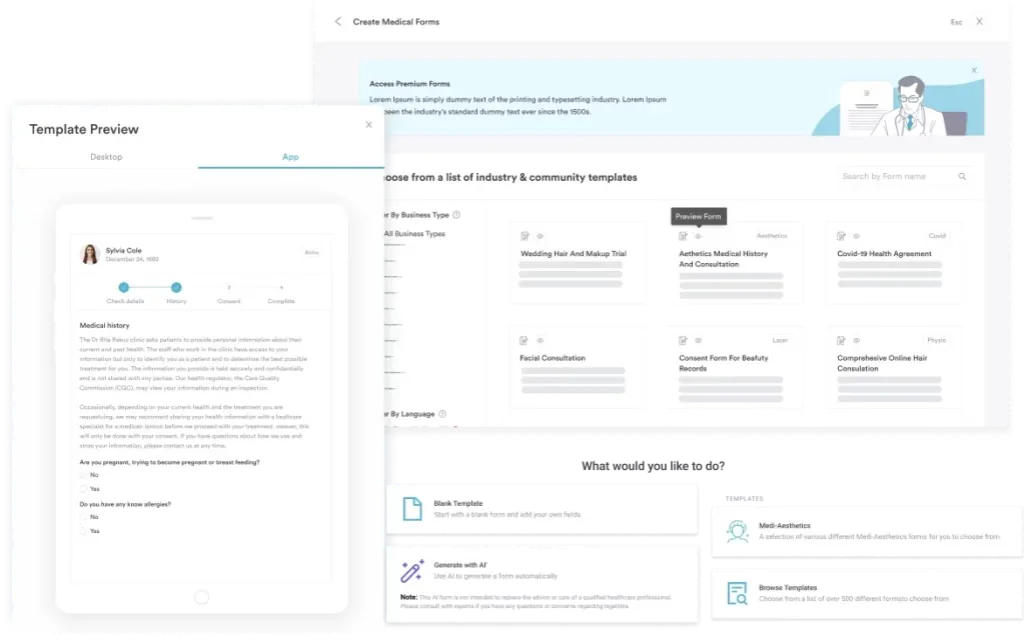
Structured digital clinical forms make this far more reliable. A podiatric surgical note template can make each of these fields required, so an incomplete note never reaches billing.
Most UK private medical insurance policies need the patient to contact their insurer before treatment. Insurers such as Bupa, AXA Health, Aviva and VitalityHealth typically issue an authorisation number once they approve it. That number should travel with the claim.
Before booking an S7010 procedure, check three things:
Requirements vary by insurer and by policy, so check with the insurer before each procedure. When you request approval, give the nail condition, how long symptoms have lasted and the treatment already tried.
Three billing questions come up often with S7010 claims. Getting any one of them wrong can lead to a query or a reduced payment.
Phenol and sodium hydroxide are the two established agents for nail bed ablation under S7010. The descriptor says “including”, so the ablation is part of the procedure, not an extra. Billing a separate chemical cautery or ablation code alongside S7010 is an unbundling error.
Insurers don’t all treat more than one nail in a session the same way. Before you bill S7010 more than once on the same date, check the insurer’s guidance or ask its provider team. Document each nail separately in the operative note, so the claim can support whichever approach the insurer uses.
A digital nerve block given by the operating clinician is part of the procedure and isn’t billed as its own line. A general anaesthetic is different.
The anaesthetist bills it separately, and AXA Health lists a general anaesthesia fee for S7010. AXA Health also lists A7350, local anaesthetic blockade of a named major nerve or plexus, as an unacceptable combination with S7010.
The table maps the most frequent S7010 claim problems to their fix. Most start with an operative note that leaves out a required detail, and a complete note usually resolves them on appeal.
Check every S7010 claim before it leaves the practice. Does the note name the agent and concentration? Does the ICD-10 code match the diagnosis? Is the authorisation number attached? Is no separate block or ablation line on the claim?
Accurate S7010 billing depends on capturing three things before the claim is sent: the ablation step, the diagnosis code and the authorisation number. When those live in separate systems, one of them gets missed.
Pabau, the practice management software we build, supports UK insurance billing through Healthcode and Bupa. The CCSD code and the authorisation number are recorded against the episode, and the claim pulls them from the patient record.
Procedure templates can include every S7010 field, so clinicians complete them at the point of care. Pabau’s claims management software checks that required fields are complete before a claim can be sent. For codes beyond the nail procedures, see our CCSD billing reference.
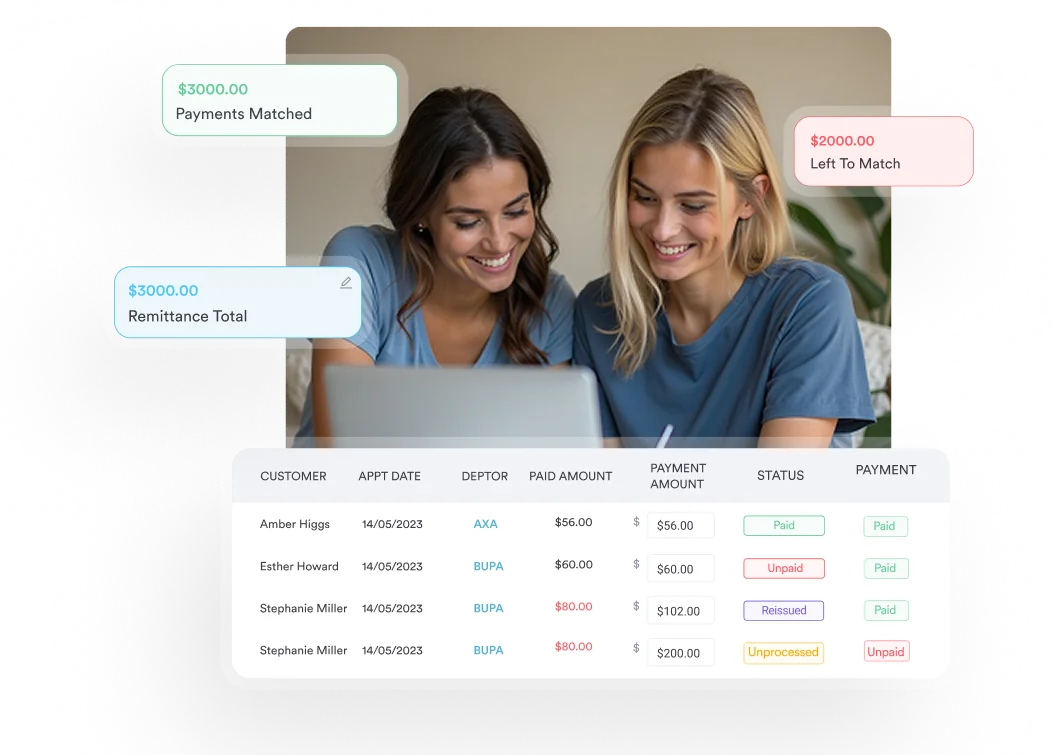

Pabau records the CCSD code and authorisation number against each episode and sends UK insurance claims through Healthcode. See how it works for your practice.

S7010 covers a short, routine procedure, and its claims turn on one line of the operative note. The descriptor includes the chemical ablation, so the note has to show it was done. Name the agent, record the concentration and method, and pair the right WHO ICD-10 code.
The rest is settled before the procedure: the authorisation number, the insurer’s rule on multiple nails and the patient’s cover. Pabau keeps the note, the authorisation and the claim in one record for UK private practices. Book a demo to see how it handles CCSD claims.

Need a broader CCSD billing reference for UK private healthcare? Bupa CCSD codes overview covers how CCSD-coded schedules are structured and how insurer billing works.
Looking for tools to reduce insurance claim errors? Claims management software explains how integrated billing cuts submission errors and speeds up payment.
CCSD code S7010 covers wedge excision or avulsion of a nail, including chemical ablation of the nail bed. It captures nail removal and permanent chemical destruction of the matrix with phenol or sodium hydroxide in one code.
S7010 destroys the nail matrix chemically after a wedge excision or avulsion. S6400 is excision of the nail bed (Zadik’s procedure), a surgical removal of the nail bed. AXA Health lists S7010 as minor and S6400 as intermediate.
Insurers handle this differently. Check the insurer’s guidance or ask its provider team before billing S7010 more than once on the same date. Document each nail separately in the operative note.
The note must record the nail treated (digit and side) and the removal technique. It must also name the chemical agent and concentration, the application method, the indication and the wound status. Without the ablation details, the note doesn’t support S7010.
The usual reasons are an undocumented ablation step, a wrong or missing ICD-10 code and no authorisation number. Claims also fail when treatment reads as cosmetic, or when a block or ablation is billed as a separate line.
Phenol, typically an 80% solution, and sodium hydroxide are the two established agents for nail bed ablation under S7010. Name the agent and its concentration in the note. Check with the insurer before relying on any other agent.
Most UK private medical insurance policies need the patient to get approval before treatment. Insurers such as Bupa, AXA Health, Aviva and VitalityHealth issue an authorisation number. Requirements vary by insurer and policy, so check before the procedure date.