CCSD code H0410: Panproctocolectomy and ileostomy
CCSD code H0410: What it covers and when to use it CCSD code H0410 sits within t...

Last Updated: Nov 23, 2026
H5101 is the CCSD code for laser haemorrhoidectomy (including sigmoidoscopy).
Let Pabau's smart automation suggest the right codes, reduce claim denials, and keep your practice compliant—effortlessly.
Automate repetitive tasks and focus on what matters most—your patients.
Reduce coding errors and ensure compliance with the latest regulations.
Clean claims, fewer denials, and faster reimbursements.
Powerful insights and reporting to help your practice thrive.
HIPAA compliant SOC 2 certified GDPR-compliant Trusted by 4,000+ clinics worldwide

CCSD code H5101 covers laser haemorrhoidectomy WITH sigmoidoscopy; the two components form a single billable unit and the sigmoidoscopy cannot be billed separately
H5101 is typically indicated for grade III-IV haemorrhoids after conservative treatments such as rubber band ligation have failed
Missing pre-authorisation or an operative note that does not confirm laser technique are the two most common reasons H5101 claims are denied
Pabau’s digital forms and structured patient records help coloproctology teams capture procedure documentation and insurer requirements before submission
CCSD code H5101 is the Classification of Clinical Services and Diagnoses procedure code for laser haemorrhoidectomy including sigmoidoscopy, as published by the CCSD maintaining group. It sits within the coloproctology chapter of the CCSD schedule alongside adjacent haemorrhoid codes H5100 and H5102. The code is recognised by all major UK private medical insurers, including Bupa, AXA Health, Aviva, Vitality, and WPA.
The defining feature of H5101 is the word “including” in its descriptor. Under CCSD bundling conventions, any procedure listed as “including X” means X is subsumed into the single code. The sigmoidoscopy is not an optional add-on; it is an integral part of the procedure as defined by H5101.
Laser haemorrhoidectomy including sigmoidoscopy is a two-component surgical procedure performed under general or regional anaesthesia. The sigmoidoscopy comes first: It is used to inspect the lower rectum and sigmoid colon, confirm the grade and extent of haemorrhoidal disease, and exclude concurrent pathology before the ablative phase begins. This diagnostic step is not separable from H5101 because the clinical decision to proceed with laser treatment depends on its findings.
The laser phase uses either an Nd:YAG or diode laser to coagulate haemorrhoidal tissue. The energy is applied directly to the submucosal haemorrhoidal cushions, shrinking the vascular supply without excision. The procedure is typically performed in a day-surgery or short-stay setting, with the patient in lithotomy position.
The operative note must record which laser was used, the energy settings applied, the number of haemorrhoidal piles treated, and the sigmoidoscopy findings. Insurers audit these elements when validating H5101 claims.
H5101 is typically indicated for grade III or grade IV haemorrhoids where conservative measures have failed, in line with guidance from the Association of Coloproctology of Great Britain and Ireland (ACPGBI). Surgical coding for haemorrhoidal disease requires the grade to be documented in the clinical record, as payers use this to establish medical necessity.
Payer coverage thresholds vary. Some insurers will approve H5101 for refractory grade II disease if previous rubber band ligation is documented. Always record the grade explicitly in the clinical notes and confirm the insurer’s specific medical necessity criteria before proceeding.
Selecting the wrong code from the haemorrhoid cluster is the most correctable billing error in coloproctology. The difference between H5100 and CCSD code H5101 turns entirely on whether a sigmoidoscopy was performed as part of the procedure. H5102 and rubber band ligation codes sit further apart clinically.
A common coding error is selecting H5100 when a sigmoidoscopy was performed, leaving fee value on the table because the higher-complexity code was not used. Conversely, claiming H5101 when no sigmoidoscopy was documented creates an audit risk. Let the operative note drive code selection, not assumption.
CCSD code H5101 is a bundled code. Everything within the official descriptor is subsumed into a single fee; anything outside the descriptor requires a separate line item on the invoice.
Whether a concurrent additional procedure can be billed alongside H5101 depends on insurer-specific unbundling policy. Check with the relevant insurer before adding a second surgical code on the same claim.
Before submitting an H5101 claim, audit the invoice against the operative note: every item on the invoice must map to a documented finding or action in the note. If the note does not mention a sigmoidoscopy, the code is H5100, not H5101. This one check prevents the most common mismatch denial.
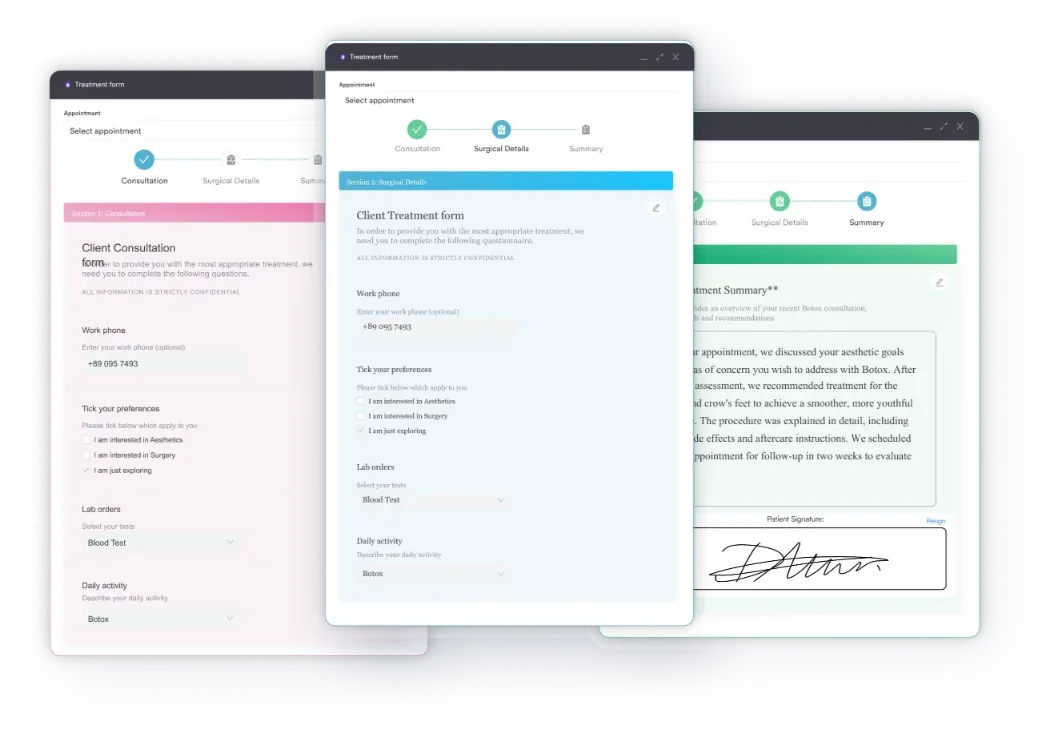
Documentation for H5101 claims must confirm both components of the procedure. Insurers audit claims against the operative note, so incomplete records are a primary denial trigger. Pabau’s digital consent and procedure forms and structured patient records allow coloproctology teams to capture all required fields at the point of care rather than reconstructing them at billing time.
Most UK private medical insurers require pre-authorisation for elective surgical procedures including CCSD code H5101. The specific evidence each insurer requests varies; some require a referral letter confirming conservative treatment failure, while others ask for the haemorrhoid grade in writing. Verify current requirements directly with each insurer before scheduling. See also the Bupa CCSD procedure codes reference for Bupa-specific billing requirements.
Authorisation turnaround times are insurer-specific and subject to change. Treat quoted timelines as approximate; build a buffer between the authorisation request and the scheduled procedure date.
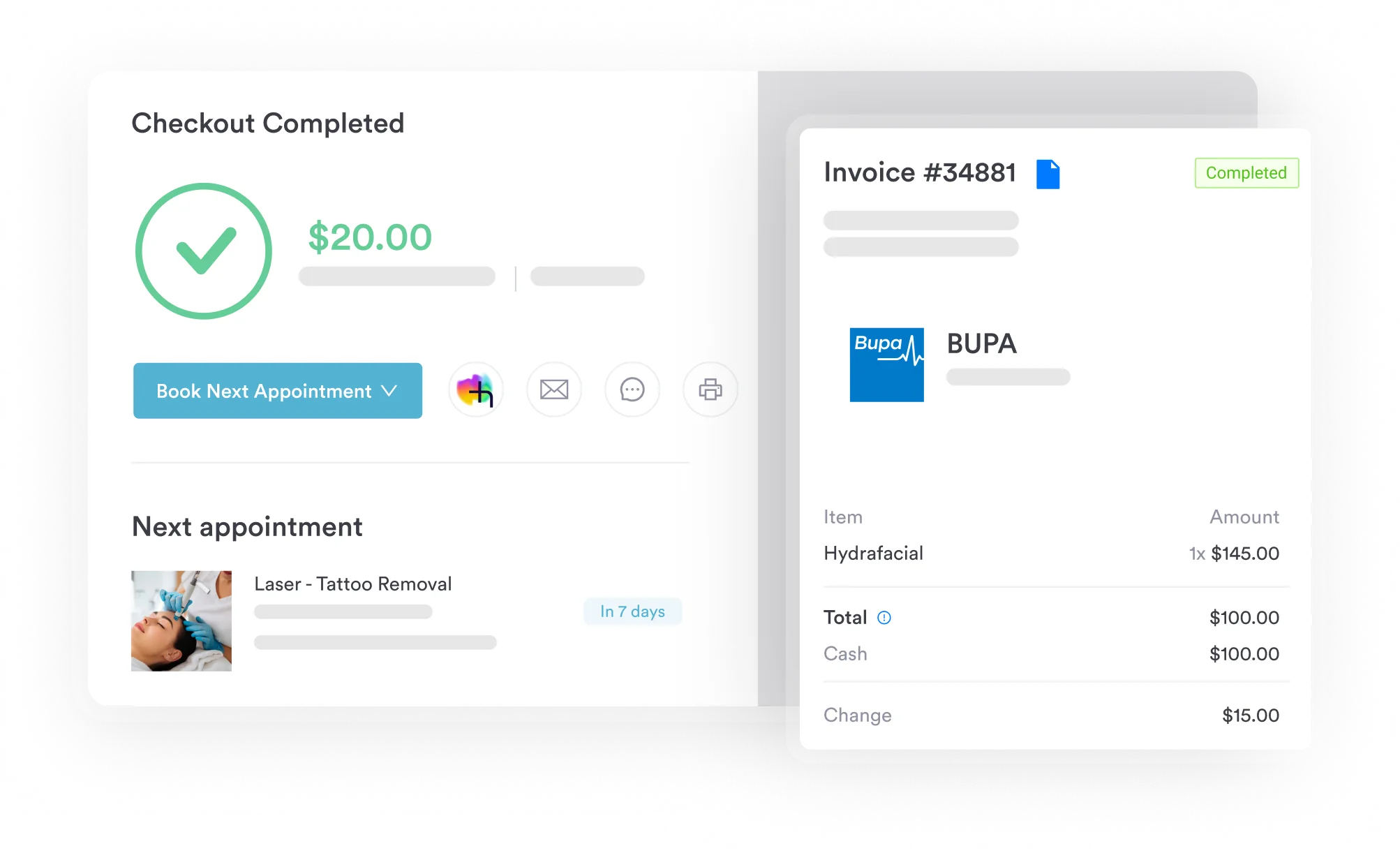
Claim denials for CCSD code H5101 follow recognisable patterns. Most are preventable with a pre-submission audit. Pabau’s claims management software tracks submission status and flags missing documentation fields before a claim leaves the practice.
Reviewing compliance management workflows alongside your billing calendar reduces the risk of time-limit and documentation failures. See also these time-saving features for private practices that streamline pre-submission audits.
Correct claim submission for laser haemorrhoidectomy including sigmoidoscopy follows a seven-step workflow. The majority of private practice H5101 claims are submitted electronically via Healthcode, the UK’s established private healthcare billing clearinghouse.

Pabau helps UK private practices track procedure documentation, insurer pre-authorisation requirements, and claim submission status so H5101 claims go out complete the first time.

Rubber band ligation (haemorrhoid banding) and laser haemorrhoidectomy are distinct procedures with distinct CCSD codes. Coding one as the other is a clinical documentation error, not just a billing error, because the two procedures have different risk profiles, recovery pathways, and medical necessity criteria.
If the operative note documents rubber band ligation rather than laser ablation, do not use CCSD code H5101. The claim will be denied when the insurer reviews the supporting documentation.
CCSD code H5101 is a specific, bundled code where getting two things right protects the claim: The operative note must confirm laser technique was used, and the sigmoidoscopy must be documented as integral to the procedure rather than billed separately. Grade documentation and pre-authorisation complete the picture.
Pabau’s digital forms, structured patient records, and claims management tools give coloproctology teams a single system to capture all of this at the point of care and track submissions through to payment. To see how Pabau handles private practice billing workflows, book a demo.

Need a Bupa-specific billing reference? Bupa CCSD procedure codes covers Bupa’s fee schedule, pre-authorisation requirements, and submission portal guidance for UK private practice.
Looking to reduce claim errors across your practice? Claims management software from Pabau tracks submission status, flags missing documentation, and supports full claim lifecycle management.
Want to digitise your operative and consent documentation? Digital forms software allows practitioners to build and complete structured procedure forms at the point of care.
CCSD code H5101 is the UK private healthcare procedure code for laser haemorrhoidectomy including sigmoidoscopy. It covers the full operative episode: Sigmoidoscopy performed to grade haemorrhoids and exclude concurrent pathology, followed by laser energy application (Nd:YAG or diode) to ablate haemorrhoidal tissue. Both components are bundled into the single code.
Sigmoidoscopy is included in H5101 and cannot be billed separately on the same claim. The descriptor “including sigmoidoscopy” reflects the CCSD bundling rule that subsumed procedures listed in the official descriptor form a single billable unit. Submitting a standalone sigmoidoscopy code alongside H5101 triggers an unbundling denial.
H5100 is laser haemorrhoidectomy without sigmoidoscopy; H5101 is laser haemorrhoidectomy with sigmoidoscopy included. The operative note determines which code applies: If a sigmoidoscopy was performed and documented as part of the same operative episode, the correct code is H5101. If not, use H5100.
Grade III and grade IV haemorrhoids typically qualify after conservative treatment failure, in line with ACPGBI guidelines. Some insurers will approve H5101 for refractory grade II disease where rubber band ligation has failed. The grade must be documented in the clinical record; each insurer applies its own medical necessity criteria, so verify before scheduling.
Yes. Bupa requires pre-authorisation for H5101 as an elective surgical procedure. The authorisation request typically requires a specialist referral letter, the documented haemorrhoid grade, and a record of failed conservative treatment. Claims submitted without a valid authorisation number are routinely denied. Verify current requirements via the Bupa MBC portal before proceeding.
The leading denial causes are: Missing pre-authorisation, an operative note that does not confirm laser technique, a separate sigmoidoscopy code billed alongside H5101 (unbundling), no documented haemorrhoid grade, and no record of conservative treatment failure. Most denials are preventable with a pre-submission documentation audit.