CCSD Code F3400: Tonsillectomy guide for ENT practices
What is CCSD Code F3400? CCSD Code F3400 is the Clinical Coding and Schedule Dat...

Last Updated: Oct 22, 2026
G4030 is the CCSD code for pyloroplasty, an operation that cuts and resutures the pylorus to widen the outlet between the stomach and duodenum. Surgeons use it for Heineke-Mikulicz and Finney pyloroplasty, usually to treat gastric outlet obstruction or delayed gastric emptying.
The code sits in the Stomach sub-chapter (11.2.0) of the Abdomen chapter. A vagotomy with pyloroplasty in the same operation is coded A2780 instead, and CCSD lists A2780 and G4010 as unacceptable combinations with G4030.
Let Pabau's smart automation suggest the right codes, reduce claim denials, and keep your practice compliant—effortlessly.
Automate repetitive tasks and focus on what matters most—your patients.
Reduce coding errors and ensure compliance with the latest regulations.
Clean claims, fewer denials, and faster reimbursements.
Powerful insights and reporting to help your practice thrive.
HIPAA compliant SOC 2 certified GDPR-compliant Trusted by 4,000+ clinics worldwide

CCSD Code G4030 covers pyloroplasty, the surgical widening of the pyloric channel to relieve gastric outlet obstruction or delayed gastric emptying.
Heineke-Mikulicz and Finney pyloroplasty fit G4030, and the operative note must name the technique used.
A Jaboulay gastroduodenostomy is a bypass rather than a pyloroplasty, so it takes a gastroduodenostomy code instead.
Vagotomy with pyloroplasty in one operation is coded A2780, and CCSD lists A2780 and G4010 as unacceptable combinations with G4030.
Most UK private insurers require pre-authorisation before G4030 is performed, and claims without prior approval are routinely denied.
Practice software such as Pabau helps surgical teams capture the operative detail insurers expect on a G4030 claim.
CCSD Code G4030 is listed on the CCSD schedule maintained by the Clinical Coding and Schedule Development Group with the official descriptor Pyloroplasty. It applies to operations in which the pylorus, the muscular valve between the stomach and duodenum, is surgically reconstructed to widen the gastric outlet. The code sits in the Stomach sub-chapter (11.2.0) of the Abdomen chapter. UK private medical insurers use it to pay surgeons for the operation.
Heineke-Mikulicz and Finney pyloroplasty fit the code. A combined vagotomy and pyloroplasty is coded A2780, and a pyloromyotomy is coded G4010. Our CCSD codes library covers the neighbouring stomach codes, and Bupa CCSD codes explains how one major insurer organises chapters and fee bands.
Pyloroplasty is a surgical procedure that relieves obstruction or delayed emptying at the pyloric outlet by cutting and resuturing the pylorus in a wider configuration. The pylorus sits at the distal end of the stomach and controls the rate at which gastric contents pass into the duodenum. When scarring, dysmotility, or stenosis narrows this channel, food and fluid accumulate in the stomach. The result is nausea, vomiting, early satiety, and malnutrition.
Coders validating a G4030 claim should confirm one of the following clinical indications is documented in the pre-operative assessment or referral letter:
The CCSD descriptor for G4030 is simply Pyloroplasty, and the schedule lists no techniques under it. Heineke-Mikulicz and Finney are both pyloroplasties, so either one fits G4030. A Jaboulay gastroduodenostomy is a bypass anastomosis rather than a pyloroplasty, so check the CCSD schedule for a gastroduodenostomy code instead.
The Heineke-Mikulicz technique is widely regarded in the surgical literature as the most commonly performed pyloroplasty for benign disease. The operative note must name the technique, because a vague entry such as “pyloric repair” is insufficient for most UK private insurers. Laparoscopic pyloroplasty is less established, and insurers may set a different fee for it. Contact the insurer’s provider helpline before the procedure and obtain written confirmation.
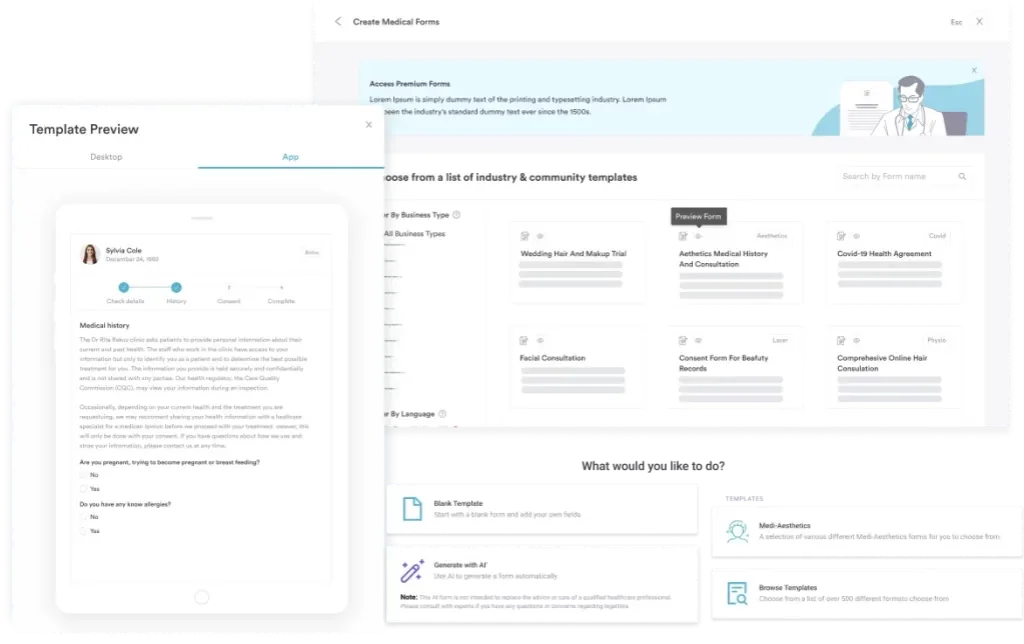
The operative note is the most scrutinised document in a G4030 claim, and missing or vague documentation is a frequent reason for denial. Digital clinical forms that standardise operative note capture reduce the risk of critical fields being omitted at the point of care.
Every G4030 operative note should include the following elements:
Supporting documents typically required alongside the operative note include the following:
Pyloroplasty is often performed as part of a combined upper GI procedure, so the companion codes matter as much as G4030 itself. Vagotomy has its own A-series codes, such as A2720 and A2730. When vagotomy and pyloroplasty are done in one operation, the combined procedure is coded A2780, not G4030 plus a vagotomy code.
If the operative note records both a vagotomy and a pyloroplasty, code the combined operation as A2780. CCSD lists A2780 as an unacceptable combination with G4030, so never submit the two together. Obtain written pre-authorisation for the code that matches the planned operation before theatre.
Several upper GI procedures share similar descriptors or clinical contexts with G4030 and are regularly confused with it at the point of coding. The guide below shows which code to check for each operation the note might describe.
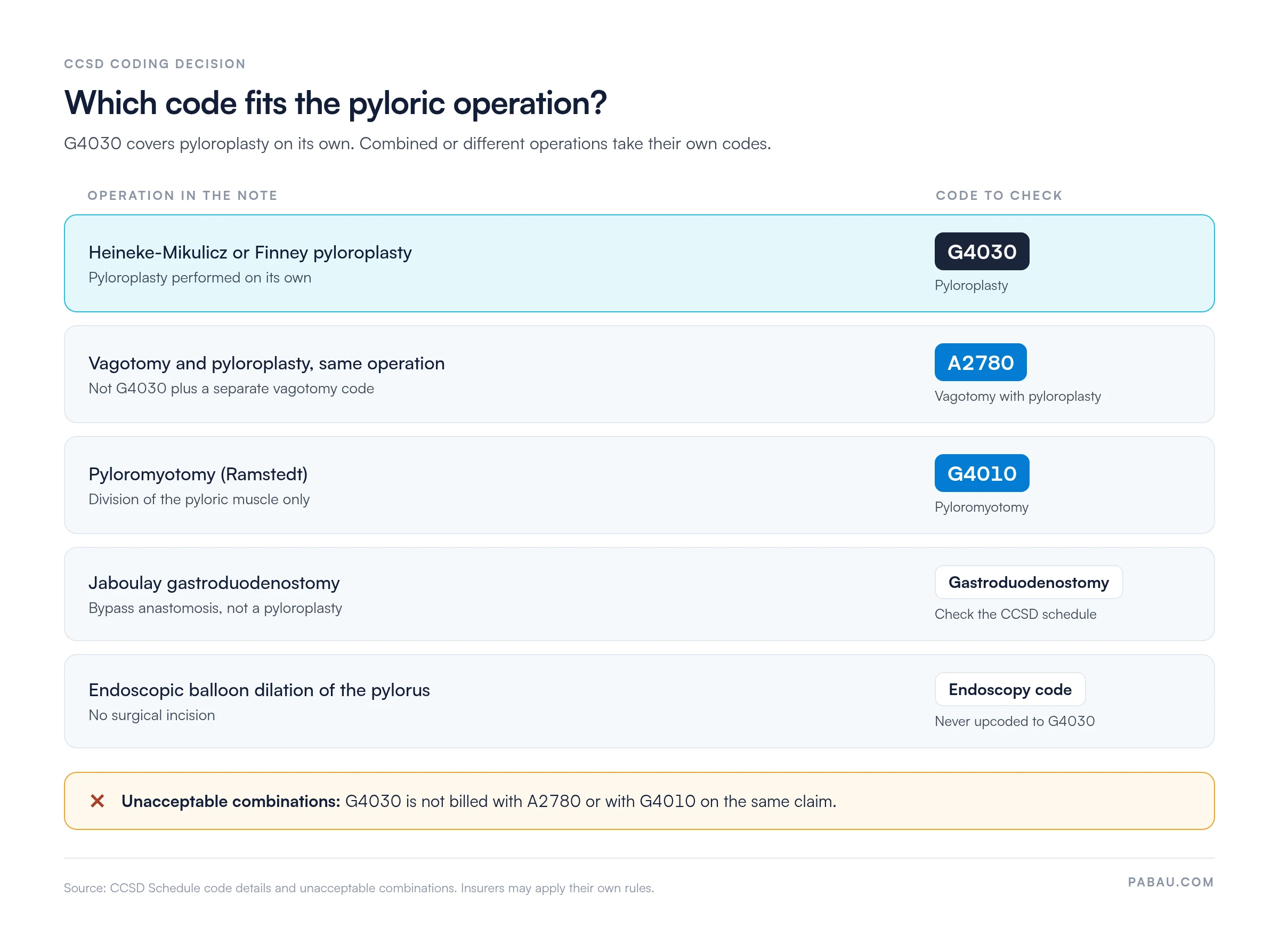
Most UK private insurers treat pyloroplasty as an elective inpatient surgical procedure requiring pre-authorisation before admission. Submitting a G4030 claim without an authorisation reference number is one of the fastest ways to receive an automatic denial. Building a pre-auth checkpoint into the booking process, before theatre is scheduled, reduces this risk.
Pre-authorisation rules change regularly, so verify current requirements directly with each insurer before the procedure. The authorisation reference should cover CCSD Code G4030 specifically. Authorisation granted for a different code, such as a gastroscopy, does not validate a pyloroplasty claim.
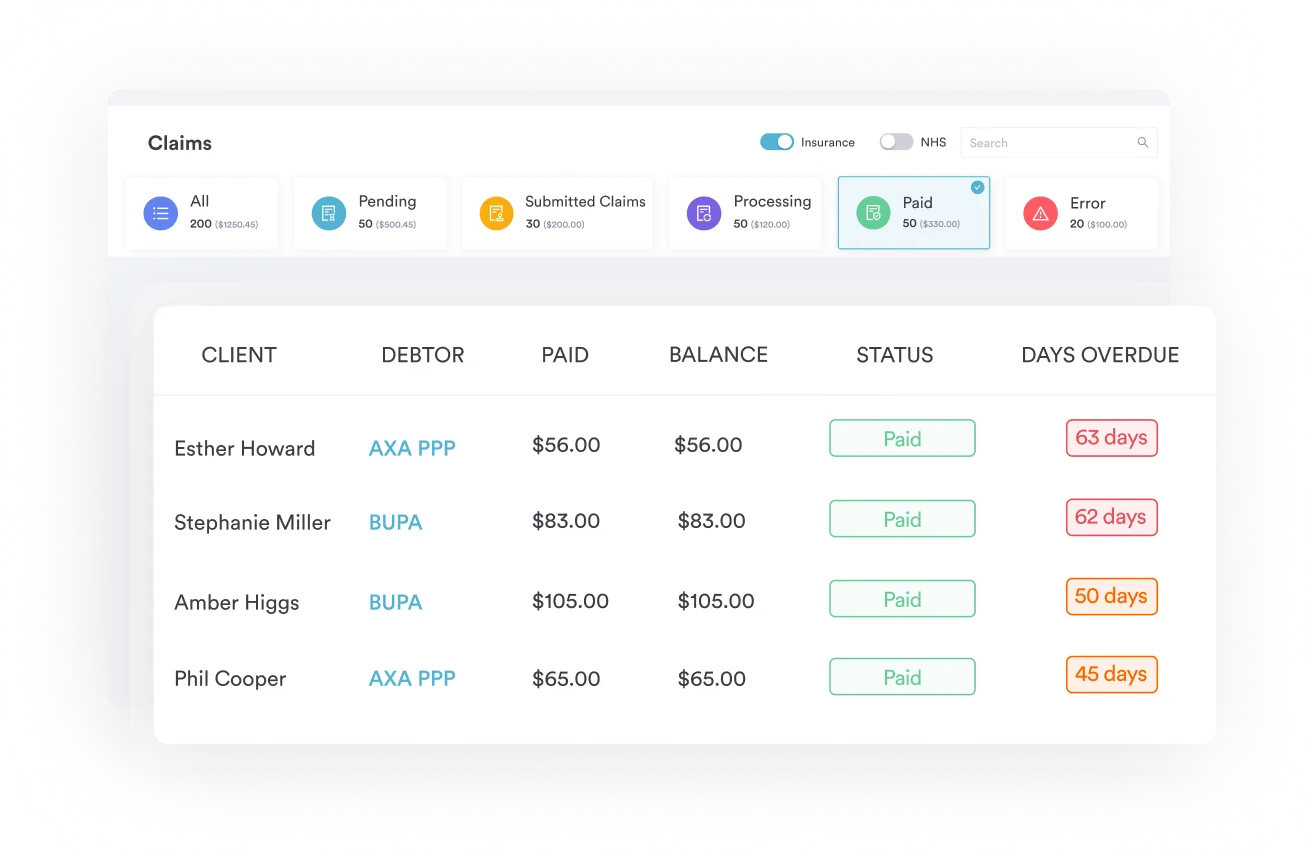
Most of the denial reasons below are administrative rather than clinical, so billing teams can fix them before submission. Pabau’s claims management software lets practices track each claim’s status through Healthcode and see which claims were rejected.
Build a pre-submission checklist for every G4030 claim. Confirm the pre-auth reference covers G4030 specifically, and that the operative note names the technique and approach. Check the ICD-10 code matches the documented indication, and review companion codes against the insurer’s own post-operative rules. Finish with the surgeon’s dated, signed attestation.
In many surgical practices, a G4030 claim is assembled from separate pieces: a typed operative note, a scanned referral letter, and an insurer portal login. When one piece is missing a field, the claim comes back.
Pabau’s digital forms let the surgical team build one operative note template. It can ask for the technique, the approach, the indication and the surgeon’s signed attestation. The completed note is stored in the patient’s record next to the referral letter and diagnostic reports.
Claims go to insurers through Healthcode, and the claims view shows each one as pending, submitted, paid or in error. Billing staff see a returned G4030 claim straight away and can correct it from the same record.

Pabau helps UK private practices capture structured clinical documentation, then submit and track claims through Healthcode. Billing teams spend less time chasing denials and more time on patient care.

G4030 is a narrow code. It pays for a pyloroplasty performed on its own, and the claim stands or falls on whether the operative note proves that. When a vagotomy, pyloromyotomy or bypass happens in the same operation, the answer is usually a different code rather than a second line.
Before theatre, match the planned operation to its code and obtain pre-authorisation for that code. After theatre, check that the operative note names the technique before the claim leaves the practice. Book a demo to see how Pabau keeps structured operative notes and Healthcode claim tracking in one place for your surgical team.

Billing across multiple CCSD codes on the same claim? Bupa CCSD code schedule overview explains how Bupa structures companion code rules and fee bands for upper GI procedures.
Coding a vagotomy without a drainage procedure? CCSD code A2720 covers proximal gastric vagotomy, which leaves the pylorus intact and needs no pyloroplasty.
Billing a highly selective vagotomy? CCSD code A2730 explains how to document and bill that operation to UK private insurers.
Managing private practice billing at scale? Claims management software for private practices covers how Pabau submits claims through Healthcode and tracks each one to payment.
CCSD Code G4030 covers pyloroplasty, a surgical procedure that widens the pyloric outlet of the stomach to restore gastric drainage. Heineke-Mikulicz and Finney pyloroplasty both fit the code. A Jaboulay gastroduodenostomy is a bypass anastomosis, so check the CCSD schedule for a gastroduodenostomy code instead.
Heineke-Mikulicz and Finney pyloroplasty fit G4030, because the CCSD descriptor is simply Pyloroplasty. Jaboulay gastroduodenostomy does not, as it bypasses the pylorus rather than reconstructing it. The operative note must name the technique, since a vague entry such as ‘pyloric repair’ is insufficient for most UK private insurers.
Neither. When vagotomy and pyloroplasty are performed in the same operation, the combined procedure is coded A2780. CCSD lists A2780 as an unacceptable combination with G4030, so do not bill G4030 with a separate vagotomy code when A2780 describes the operation. Obtain pre-authorisation for A2780 before theatre.
The most common denial reasons are a vague operative note, missing or mismatched pre-authorisation, and an unsupported ICD-10 diagnosis code. Others are billing post-operative care the insurer treats as included, and billing a laparoscopic approach at the open rate without confirmation. A pre-submission checklist against these five points catches most preventable G4030 denials.