CCSD code A2210: Drainage of subarachnoid space of brain
CCSD code A2210: definition and clinical descriptor CCSD code A2210 carries the ...

Last Updated: Oct 7, 2026
A7310 is the CCSD code for biopsy of peripheral nerve.
Let Pabau's smart automation suggest the right codes, reduce claim denials, and keep your practice compliant—effortlessly.
Automate repetitive tasks and focus on what matters most—your patients.
Reduce coding errors and ensure compliance with the latest regulations.
Clean claims, fewer denials, and faster reimbursements.
Powerful insights and reporting to help your practice thrive.
HIPAA compliant SOC 2 certified GDPR-compliant Trusted by 4,000+ clinics worldwide

CCSD code A7310 covers surgical excision of a peripheral nerve segment for histopathological diagnosis, distinct from nerve repair or decompression codes
The sural nerve at the ankle is the most commonly biopsied peripheral nerve under A7310, due to its accessibility and purely sensory function
Histopathology is billed separately by the pathologist; A7310 covers the surgical excision only, not specimen analysis fees
Most South African medical aid schemes require pre-authorisation for A7310; missing a reference number is a leading cause of claim denial
Pabau’s CCSD code library and claims management tools help South African practices track A7310 submissions and reduce denial rates
CCSD code A7310 is the South African billing code for biopsy of peripheral nerve. Its official CCSD descriptor is “Biopsy of peripheral nerve.” The code belongs to the neurosurgery and neurology chapter of the CCSD tariff schedule, which is published and maintained by SAMA and used across South African private healthcare practices, hospitals, and medical aid schemes.
The code is used by neurosurgeons and neurologists who perform a surgical excision of a small segment of peripheral nerve tissue for laboratory analysis. A7310 is not a diagnostic imaging code or an electrodiagnostic code. It applies only when a surgeon physically removes nerve tissue to establish or confirm a diagnosis through histopathology.
Coders should be aware that the CCSD system differs in structure and bundling conventions from CPT (used in the United States). Rules that apply to CPT surgical codes do not automatically transfer to A7310 billing. Always verify CCSD-specific bundling guidance against current SAMA tariff publications for the applicable billing year.
A peripheral nerve biopsy is a minor surgical procedure carried out under local or general anaesthesia. The sural nerve at the lateral ankle is the most commonly biopsied site, confirmed consistently across neurology literature. Its popularity stems from three practical factors: it is a purely sensory nerve, so excision causes predictable sensory loss rather than motor deficit; it lies superficially and is easily accessed; and the ankle site heals well.
The standard surgical steps are as follows:
The operative report must document each of these steps, name the specific nerve biopsied, and confirm the site. A report that names only “peripheral nerve” without specifying the anatomical location is insufficient for CCSD code A7310 claim support.
Nerve biopsy is an invasive procedure ordered only when less invasive investigations, including nerve conduction studies (NCS) and electromyography (EMG), have failed to establish a definitive diagnosis. Medical aids will scrutinise the clinical indication closely. The following conditions are accepted primary indications:
The clinical motivation submitted for pre-authorisation must name the specific suspected diagnosis, summarise the results of prior investigations (NCS, EMG, blood work), and explain why biopsy is necessary. A motivation that simply states “peripheral neuropathy” without further detail is commonly rejected.
Every A7310 claim requires a supporting ICD-10 diagnosis code that establishes medical necessity. South African medical aids use the ICD-10 coding system as adopted by the World Health Organization’s ICD-10 classification. The table below lists the most common ICD-10 codes paired with A7310, with their official descriptors and clinical context.
The ICD-10 code selected must match the clinical context documented in the referring specialist’s notes and the operative report. Pairings that cannot be supported by the clinical record are a common audit trigger. Use AAPC’s ICD-10-CM code lookup to verify current code descriptors before claim submission.
Understanding the scope of CCSD code A7310 prevents the two most common bundling errors. The table below clarifies what the surgical code covers and what must be billed separately. Always verify current CCSD bundling rules against the CCSD schedule reference for the applicable billing year, as conventions can change with annual tariff updates.
One important clarification on bilateral biopsy: if nerve biopsy is performed bilaterally in a single operative session, this should be queried with the medical aid and documented clearly in the operative report. Bilateral CCSD procedures do not follow the same modifier conventions as CPT bilateral procedures. Check the CCSD technical guide for the current billing convention before appending any bilateral indicator.
Coders occasionally select an adjacent CCSD neurology code when A7310 is the correct choice, or vice versa. The table below identifies the most frequent mix-ups and how to distinguish each code from A7310 at a glance. Review the CCSD Technical Guide for full descriptor wording and chapter structure.
Check whether the procedure note explicitly names a nerve segment excised for histopathology. If the note describes decompression or release without tissue removal, A7310 is wrong. If the note describes a punch biopsy of skin for small-fibre assessment, the skin biopsy code applies instead.
A7310 claims fail at a higher rate when documentation is incomplete. Medical aids have the right to request the operative report and supporting clinical notes before settling a claim, and many do so routinely for surgical neurology codes. The minimum documentation set for CCSD code A7310 includes all of the following:
Practices using paper-based records face a higher documentation audit risk. Structured digital clinical documentation forms that prompt clinicians to record each of these elements at the point of care reduce the risk of a missing field triggering a denial.
Most South African medical aid schemes classify peripheral nerve biopsy as a planned surgical procedure requiring pre-authorisation before the procedure is performed. Discovery Health, Medihelp, Bonitas, and Momentum Health each have specific pre-auth protocols for surgical neurology codes, though requirements vary by scheme and benefit option. Verify the specific scheme’s clinical protocol before booking the procedure.
A typical pre-authorisation submission for A7310 includes:
If the procedure is performed without pre-authorisation, the claim is at high risk of rejection. Some schemes allow retrospective authorisation in genuine emergency situations, but elective nerve biopsy rarely qualifies. Document the authorisation number in the patient file and include it on the claim form at submission.
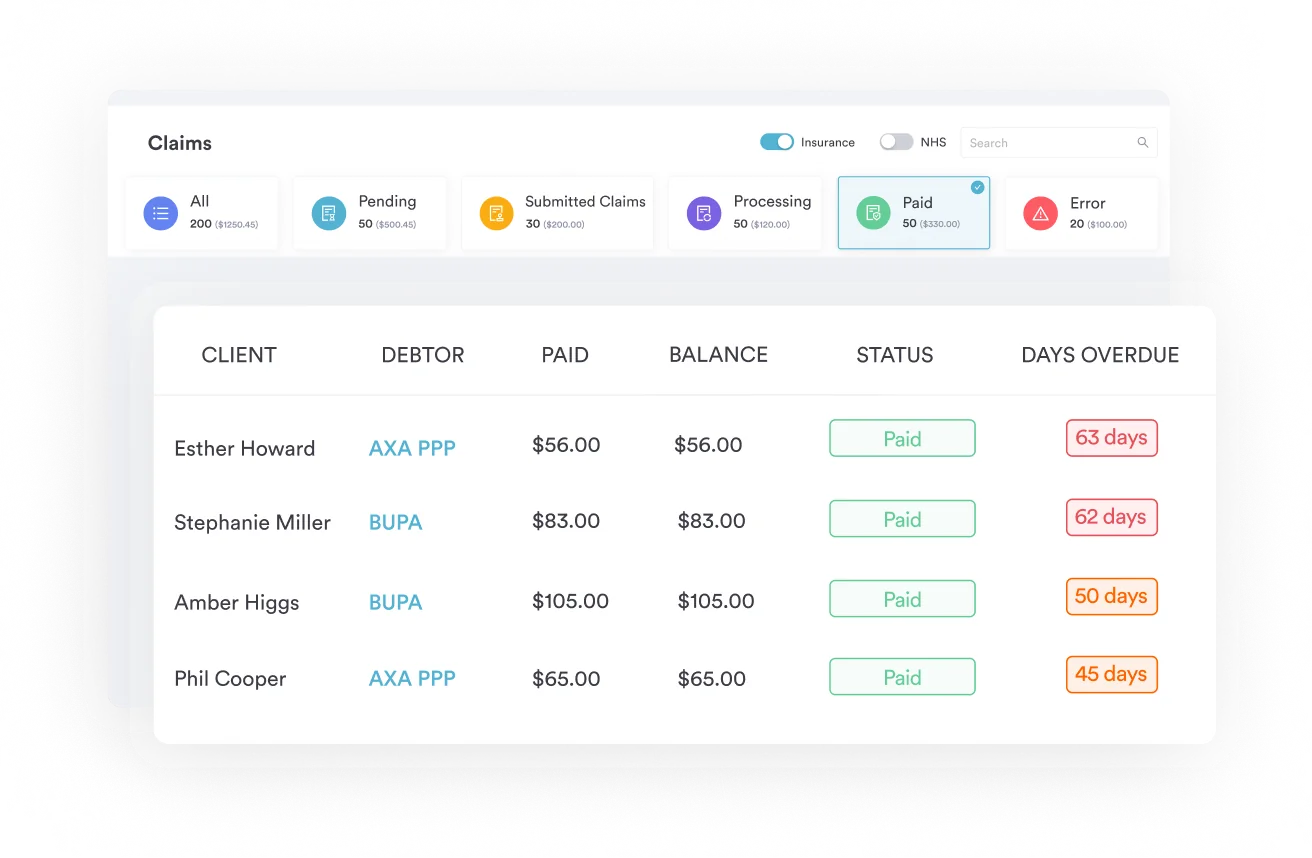
Denial patterns for CCSD code A7310 follow a predictable set of root causes. The table below maps the leading denial reasons to their corrective actions. Tracking these patterns across a practice’s A7310 submissions is the fastest way to identify a systemic billing gap. Pabau’s claims management software enables South African practices to flag denied A7310 claims, track denial reason codes, and manage resubmission workflows from a single dashboard.
Configuring CCSD code A7310 correctly in practice management software matters for two reasons: accurate fee mapping and a clean electronic claim submission to the relevant medical aid scheme. South African practices billing private medical aids need software that supports CCSD code libraries, maps A7310 to the current SAMA tariff fee for the billing year, and generates a claim form the scheme accepts electronically.
Pabau supports CCSD billing workflows for clinic software in South Africa, including CCSD code libraries, fee schedule management, and claim submission tracking. The platform’s billing module allows practices to attach the correct A7310 code to a service, link the supporting ICD-10 code, record the pre-authorisation reference number, and track the claim through to settlement. For broader CCSD billing context, including how CCSD codes are structured and billed across specialties, see Pabau’s CCSD billing reference.
Practice managers should also confirm that the software generates an audit trail for each A7310 claim, including the date of submission, the scheme reference number, and any denial or payment response. This documentation is essential for responding to medical aid queries and for internal billing audits.

Pabau helps South African private practices manage CCSD code submissions, track claim statuses, and reduce denial rates across neurology and surgical billing workflows.

Accurate billing for CCSD code A7310 depends on three things: a complete operative report that names the specific nerve biopsied, an ICD-10 code that supports the clinical indication, and a pre-authorisation reference number from the medical aid scheme. Missing any one of them is enough to trigger a denial.
Pabau’s practice management platform helps South African neurology and neurosurgery practices configure A7310 in their CCSD code library, link the correct diagnosis code at the point of billing, and track claims through to settlement. To see how Pabau handles CCSD billing workflows for your practice, book a demo.

Managing claim submissions across multiple medical aids? Pabau’s claims management tools help track denial patterns and resubmission workflows for CCSD billing.
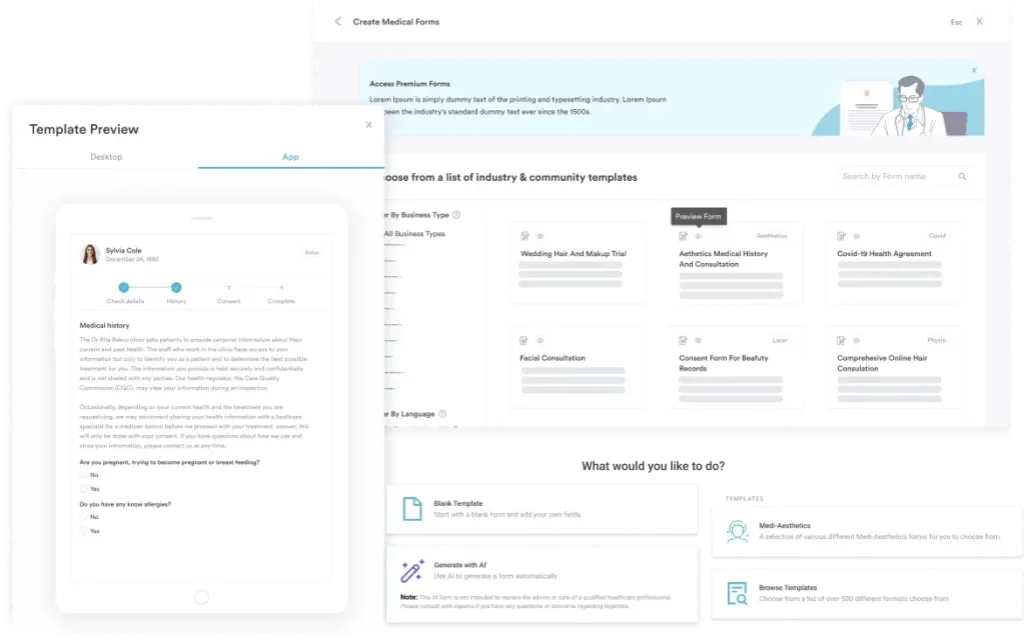
Need structured documentation templates for surgical procedures? Pabau’s digital forms allow practices to build operative note and consent templates that capture every required billing field.
Looking for broader practice management guidance for South African clinics? Practice management software for clinics covers the key features South African private practices need to manage billing, scheduling, and compliance in one system.
CCSD code A7310 covers the surgical excision of a peripheral nerve segment for histopathological diagnosis. The code includes the incision, nerve exposure, tissue excision, haemostasis, and wound closure performed by the surgeon. It does not include histopathology fees (billed by the pathologist separately), anaesthesia, or pre-operative consultation.
The sural nerve at the lateral ankle is the most commonly biopsied peripheral nerve under A7310. It is preferred because it is a purely sensory nerve, lies superficially, and is easily accessed, making the procedure technically straightforward with predictable sensory deficit as the main post-operative consequence.
Commonly accepted ICD-10 codes paired with A7310 include G63 (polyneuropathy in diseases classified elsewhere), G60.0 (hereditary motor and sensory neuropathy), G62.9 (polyneuropathy unspecified), M30.0 (polyarteritis nodosa), and E85 (amyloidosis). The selected code must match the clinical documentation exactly.
No. Histopathology is billed separately by the pathologist under the appropriate CCSD pathology code. The surgeon bills A7310 for the surgical excision only. Billing both the surgical and pathology fees under A7310 constitutes a bundling error and is a common cause of claim denial or audit.
Most South African medical aid schemes require pre-authorisation for A7310 before the procedure is performed. Requirements vary by scheme and benefit option. Submitting a claim without a pre-authorisation reference number is one of the most common reasons A7310 claims are denied. Obtain the reference number and record it on the claim form before submission.
CCSD modifier conventions differ from CPT modifier conventions and should not be conflated. For bilateral nerve biopsy performed in a single session, verify the current CCSD Technical Guide for the correct billing approach, as CCSD does not use CPT-style bilateral modifiers. Confirm modifier requirements with the relevant medical aid scheme before submitting a bilateral A7310 claim.