ICD-10 Code Y76.0: Diagnostic obstetric and gynecological devices
ICD-10 Code Y76.0: Definition and billable status ICD-10 Code Y76.0 is a valid, ...

Last Updated: Oct 23, 2026
Billable Code Specific Code
M31.5 is the billable ICD-10-CM code for giant cell arteritis with polymyalgia rheumatica.
M31.5 sits in the M30-M36 block (Systemic connective tissue disorders), under the M31 subcategory for other necrotizing vasculopathies. Both CMS and the National Center for Health Statistics maintain it. The official description reads: Giant cell arteritis with polymyalgia rheumatica.
The code needs both diagnoses in the record. If polymyalgia rheumatica is not stated by the treating clinician, M31.6 is the correct code instead. That single distinction drives most denials in this category.
Let Pabau's smart automation suggest the right codes, reduce claim denials, and keep your practice compliant—effortlessly.
Automate repetitive tasks and focus on what matters most—your patients.
Reduce coding errors and ensure compliance with the latest regulations.
Clean claims, fewer denials, and faster reimbursements.
Powerful insights and reporting to help your practice thrive.
HIPAA compliant SOC 2 certified GDPR-compliant Trusted by 4,000+ clinics worldwide

ICD-10 code M31.5 is a billable ICD-10-CM diagnosis code for giant cell arteritis with polymyalgia rheumatica.
The code needs both conditions documented, so using it without a stated PMR diagnosis is an audit risk.
M31.6 covers giant cell arteritis without polymyalgia rheumatica, and mixing up the two codes is the most common error here.
M35.3 carries an Excludes1 note for M31.5, so the two codes are never reported on the same claim.
Practice management software like Pabau validates code entry at the point of care, so errors surface before submission.
The table below summarizes the reference data for the code. Confirm edition validity each October, when CMS publishes its annual update.
You can check the current edition status with the CDC ICD-10-CM tool, which mirrors the official tabular list for each update cycle. Run that check at the start of every fiscal year, before the first claims go out.
Giant cell arteritis (GCA) is chronic inflammation of large and medium-sized blood vessels, most often the temporal arteries and branches of the aorta. It also goes by temporal arteritis, cranial arteritis, and Horton’s arteritis.
Polymyalgia rheumatica (PMR) is a related inflammatory condition. It causes pain and stiffness in the shoulders, neck, upper arms, hips, and thighs.
The two conditions co-occur often. Studies suggest 40% to 60% of GCA patients also present with PMR. That overlap is why ICD-10-CM carries a dedicated combination code. GCA with PMR affects adults over 50, with peak incidence between ages 70 and 80.
Key clinical features that support an M31.5 diagnosis:
Girdle stiffness often sends these patients to physical therapy practices first, so the arteritis diagnosis can arrive weeks after the muscle symptoms do.
Temporal artery biopsy remains the gold standard for confirming GCA. The American College of Rheumatology accepts a clinical diagnosis without biopsy where imaging or presentation is strongly suggestive. For code assignment, what matters is that both GCA and PMR are documented by the treating clinician.
The ICD-10-CM tabular list treats these terms as applicable to M31.5. Coders will meet any of them in clinical documentation, and all of them map to the same code:
These inclusion terms come from the ICD-10-CM Alphabetic Index. The index path runs Arteritis, giant cell, with polymyalgia rheumatica, which resolves to M31.5.
A chiropractic platform connects each spinal or joint diagnosis to its treatment schedule and outcomes.
Knowing what the code excludes matters as much as knowing when to use it. Coding the wrong condition here creates audit exposure and payer-level rejections.
The tabular list settles the pairing with M35.3 outright. Its Excludes1 note reads “polymyalgia rheumatica with giant cell arteritis (M31.5)”, so the two codes are officially excluded from being reported together. The PMR component is already captured inside the combination code.
The one thing separating M31.5 from M31.6 is whether polymyalgia rheumatica is documented. Getting that wrong is the most common coding error in the giant cell arteritis family. The table below sets the distinction out.
The AAPC code lookup lists both codes as billable within the M31 category. Searching the index for “giant cell arteritis” alone routes to M31.6. Confirm the PMR documentation before you move the claim to M31.5.
M31 covers other necrotizing vasculopathies inside the wider M30-M36 block. Knowing the siblings helps coders move through the category without landing on the wrong fourth character.
Only M31.3 needs a fifth character. Use M31.30 for Wegener’s granulomatosis without renal involvement, and M31.31 where the kidneys are involved. M31.3 on its own is a non-billable header code.
The WHO ICD-10 browser shows the international classification that ICD-10-CM is derived from. The M31.5 parent structure is the same in both.
Thin documentation is the main cause of M31.5 rejections. Both halves of the combination code have to be supported in the clinical record. Missing a provider identifier or a diagnosis code sends a reimbursement claim straight back, so a reimbursement receipt lists both.
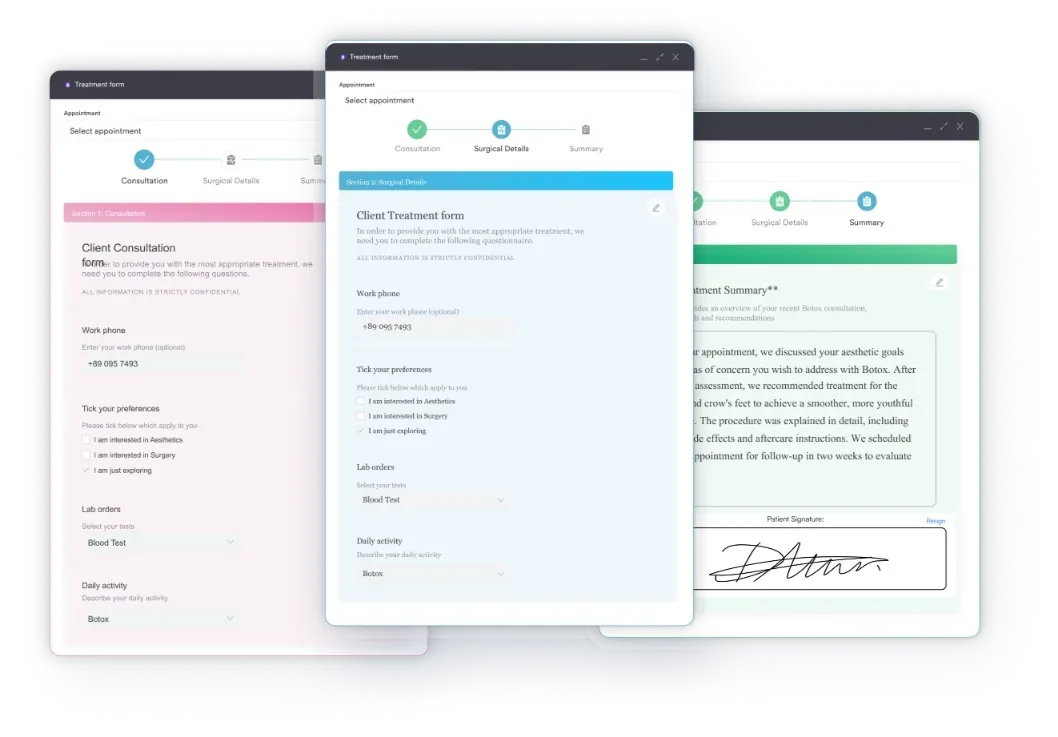
These elements should be in the medical record before M31.5 is assigned:
Rheumatology encounter templates that prompt for all six cut down on retrospective physician queries. Those queries arrive weeks later, when nobody remembers the visit.
Once the encounter is written up. Tying documentation templates to code-specific requirements.
Document both the GCA and PMR diagnoses by their full clinical names in the assessment section, not only in the problem list. Payers reviewing medical necessity read the assessment and plan first. A problem-list entry will not support M31.5 if the assessment says only ‘temporal headache’ or ‘shoulder pain’.
Rheumatology billers hit a predictable set of errors with this code. These five account for most rejections and audit findings in the category.
Diagnostic code validation flags these patterns before a claim leaves the practice. That pays off most where older patients dominate the caseload.
Structured coding workflows protect the revenue side too. Code validation is worth testing on any demo.
Coders reach M31.5 through several routes in the ICD-10-CM Alphabetic Index. Knowing them prevents mislookups that land on M31.6 or M35.3:
Entering polymyalgia rheumatica as the primary index term lands on M35.3 instead. The coder has to enter through the arteritis path and confirm the PMR qualifier to reach M31.5.
M31.5 usually goes wrong at the point of care rather than at the coding desk. The clinician sees both conditions, treats both, and writes up one. By the time the coder opens the chart, the PMR diagnosis exists only in the physician’s memory.
A rheumatology workflow for this code covers five things:
Pabau’s claims management software handles diagnostic code entry and claim workflow for multi-specialty practices. Structured encounter notes hold both diagnoses the code requires, so payer queries have somewhere to land. Revenue cycle management treats coding, submission and collection as one process rather than three handoffs.
Pabau Scribe, our AI scribe, sits on top of that. It turns the consultation into a structured note, prompting for the GCA diagnosis, the PMR diagnosis, and the lab values that hold the claim up. You can see how AI-assisted documentation fits a day in a rheumatology practice.
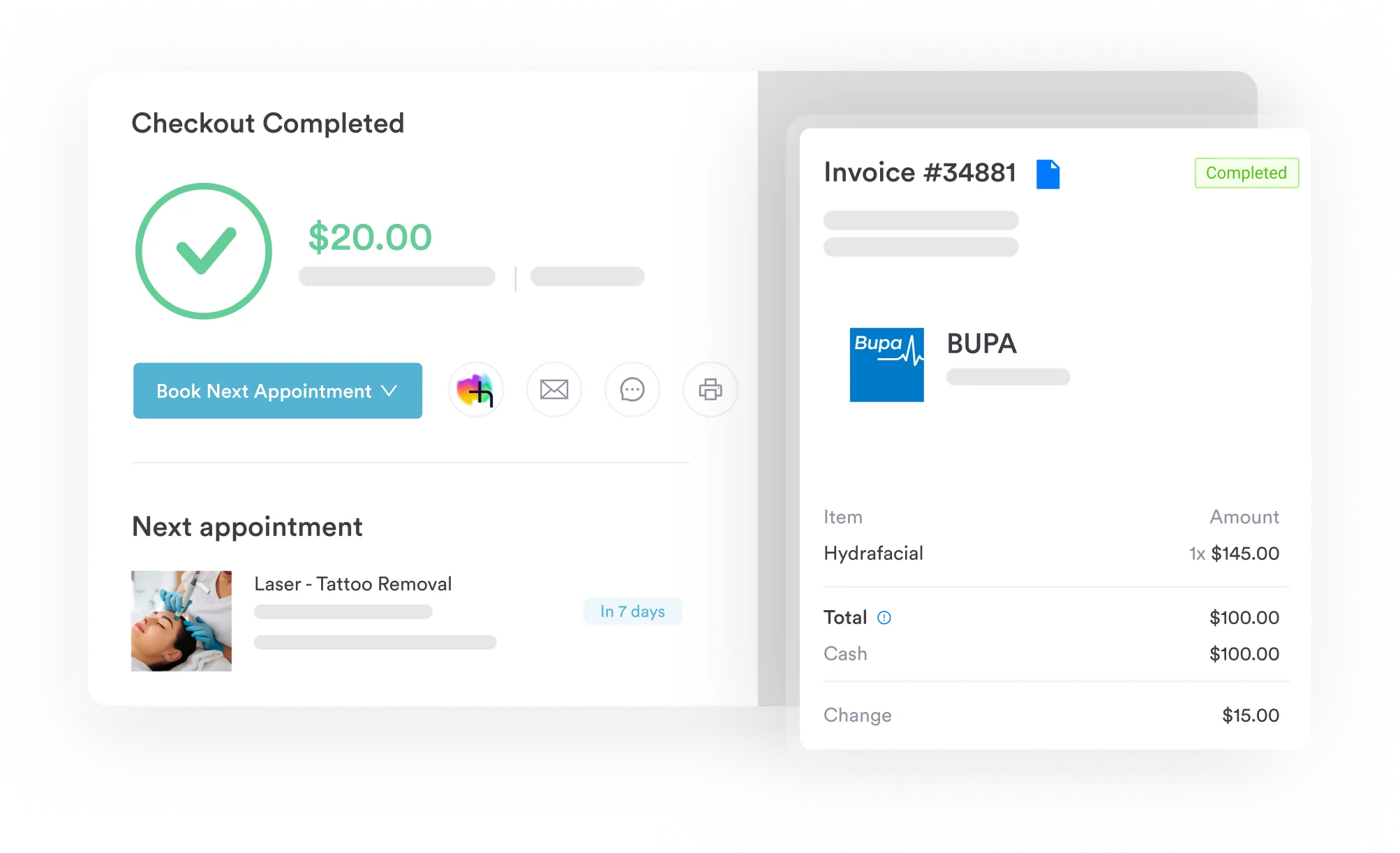

Pabau helps rheumatology and multi-specialty practices build documentation workflows that capture what M31.5 needs. Both diagnoses get recorded while the patient is still in the room.

The choice between M31.5 and M31.6 is settled in the encounter note, not at charge entry. If the clinician names both diagnoses, the combination code is defensible. If not, no coder can rescue it afterwards.
So treat this as a documentation habit rather than a coding one. Put the PMR prompt inside the rheumatology template and the right code follows on its own. The trade-off is a few extra seconds in the assessment field, against a denial that costs an hour to appeal.
Get that habit in place and M31.5 stops being a category you audit and starts being one you trust. Book a demo to see how Pabau structures rheumatology documentation and claims.

Coding giant cell arteritis when PMR is absent? M31.6 covers the standalone code and what the chart has to show.
Need the standalone polymyalgia rheumatica code? M35.3 sets out when PMR is reported on its own.
Ruling out Takayasu arteritis instead? M31.4 explains the aortic arch syndrome code and its documentation.
Documenting polyarteritis nodosa? M30.0 walks through the code and the findings payers expect.
Coding vasculitis in a younger patient? M30.2 walks through juvenile polyarteritis and its documentation rules.
ICD-10 code M31.5 records giant cell arteritis with polymyalgia rheumatica for reimbursement and documentation in US healthcare settings. It is billable and valid for claim submission under the 2026 edition of ICD-10-CM, effective October 1, 2025.
M31.5 codes giant cell arteritis with polymyalgia rheumatica documented alongside it. M31.6 codes other giant cell arteritis, where PMR is absent or not documented. The only differentiating factor is whether polymyalgia rheumatica is stated in the clinical record.
Yes, M31.5 is a billable and specific ICD-10-CM code, valid for submission to payers. It is not a non-billable header code. Coverage policies still vary, so verify medical necessity criteria with each payer for your patient population.
The record must explicitly document giant cell arteritis and polymyalgia rheumatica as diagnosed conditions. Supporting elements include symptoms for each condition, the recorded ESR and CRP values, and biopsy findings where a temporal artery biopsy was performed.
No. The Excludes1 note under M35.3 reads “polymyalgia rheumatica with giant cell arteritis (M31.5)”, so the two codes cannot be reported together. The PMR component is already captured inside the M31.5 combination code.
The 2026 edition of ICD-10-CM M31.5 took effect on October 1, 2025. CMS and NCHS publish annual updates every October 1. Verify the current edition with the CDC ICD-10-CM tool at the start of each fiscal year.