

HCPCS code E0198: Water pressure pad billing guide
HCPCS code E0198 is a water pad for a standard mattress HCPCS code E0198 is the ...

Last Updated: Oct 13, 2026
S5130 is the HCPCS Level II code for homemaker service, nos; per 15 minutes.
Most HCPCS S5130 claim denials come down to confusion with a similar-sounding code, not fraud or carelessness. A homemaker visit gets billed under the wrong unit type, a personal-care task gets billed as homemaker service instead of under a separate personal care code, or the visit is missing the Electronic Visit Verification (EVV) record a state now requires.
S5130 sits inside Medicaid home and community-based services (HCBS) waivers rather than Medicare, so the exact rules shift from state to state. That makes it easy to apply guidance from the wrong program.
Let Pabau's smart automation suggest the right codes, reduce claim denials, and keep your practice compliant—effortlessly.
Automate repetitive tasks and focus on what matters most—your patients.
Reduce coding errors and ensure compliance with the latest regulations.
Clean claims, fewer denials, and faster reimbursements.
Powerful insights and reporting to help your practice thrive.
HIPAA compliant SOC 2 certified GDPR-compliant Trusted by 4,000+ clinics worldwide

HCPCS code S5130 covers homemaker service, not otherwise specified, billed in 15-minute units for non-medical support such as light housekeeping, laundry, and meal preparation.
S5130 bills per 15 minutes, while its counterpart S5131 bills the same service at a flat per diem rate – most Medicaid programs authorize one or the other, not both, for a single visit.
S5130 is a Medicaid and private-payer code that Medicare does not reimburse, so coverage, unit limits, and required modifiers vary by state home and community-based services (HCBS) waiver.
Practice management software like Pabau helps home care providers keep the care plans, service notes, and visit records that Medicaid reviewers expect to see behind an S5130 claim.
HCPCS Code S5130 belongs to the S-series of HCPCS Level II codes. Unlike the K-series or E-series codes used for durable medical equipment, S-codes are designated for use by Medicaid programs and private payers. Medicare does not recognize or reimburse them.
The full descriptor for S5130 is homemaker service, not otherwise specified (NOS), per 15 minutes. It covers non-medical, in-home support for a Medicaid beneficiary who cannot safely manage tasks like light housekeeping, laundry, meal preparation, and grocery shopping alone.
The table below summarizes the key administrative details billers need before submitting an S5130 claim.
Because S5130 is a state Medicaid code rather than a nationally priced Medicare code, there is no single national fee schedule. Each state Medicaid agency (or its managed care organizations) sets its own reimbursement rate, prior authorization rules, and required modifiers for S5130. Always confirm the current rate and rules in the specific state’s HCBS waiver provider manual before billing.
S5130 is billed by home care agencies and individual providers enrolled with a state Medicaid program, delivering homemaker services under an approved HCBS waiver, an elderly waiver, an aged and disabled waiver, or a similar state program.
It is not a code a medical practice bills directly for clinical care. It belongs to the non-medical, in-home support side of a beneficiary’s care plan, alongside services like personal care and respite.
Practice management software like Pabau supports the scheduling and documentation side of home-based care teams, though the claim itself is submitted by the enrolled agency or provider under the state’s billing rules.
Use S5130 when all of the following conditions are met:
Check the state waiver manual before assuming S5130 and S5131 are interchangeable. Several states restrict per diem billing (S5131) to specific waiver types, such as an elderly waiver, while per-15-minute billing (S5130) applies more broadly across programs. Some states also require a modifier to distinguish cleaning-only visits from visits that combine homemaker tasks with incidental assistance with activities of daily living.
S5130 is billed in 15-minute increments, so the number of units equals total minutes of service divided by 15.
A visit that runs longer or shorter than an exact multiple of 15 minutes should be rounded according to the specific state Medicaid program’s rounding rule.
Many programs require a minimum number of minutes, commonly around eight, before a partial unit can be billed. That follows the same general rounding convention used for other time-based HCPCS codes.
If a state program authorizes homemaker service on a per diem basis instead, the visit is billed once under S5131 regardless of the exact number of minutes, provided the visit meets that state’s minimum-duration rule for a full day’s service.
Mixing the two, for example billing both S5130 and S5131 for the same visit, is a common cause of duplicate-claim denials.
Our primer on practice management software explains how systems keep unusual code sets like these organized.
Homemaker services are subject to the same documentation scrutiny as any other Medicaid HCBS claim. A missing care plan, an expired authorization, or a visit record that does not match the EVV log is enough to trigger a denial or a post-payment recoupment.
Using digital intake forms helps agencies capture these elements at the point of service rather than reconstructing them later.
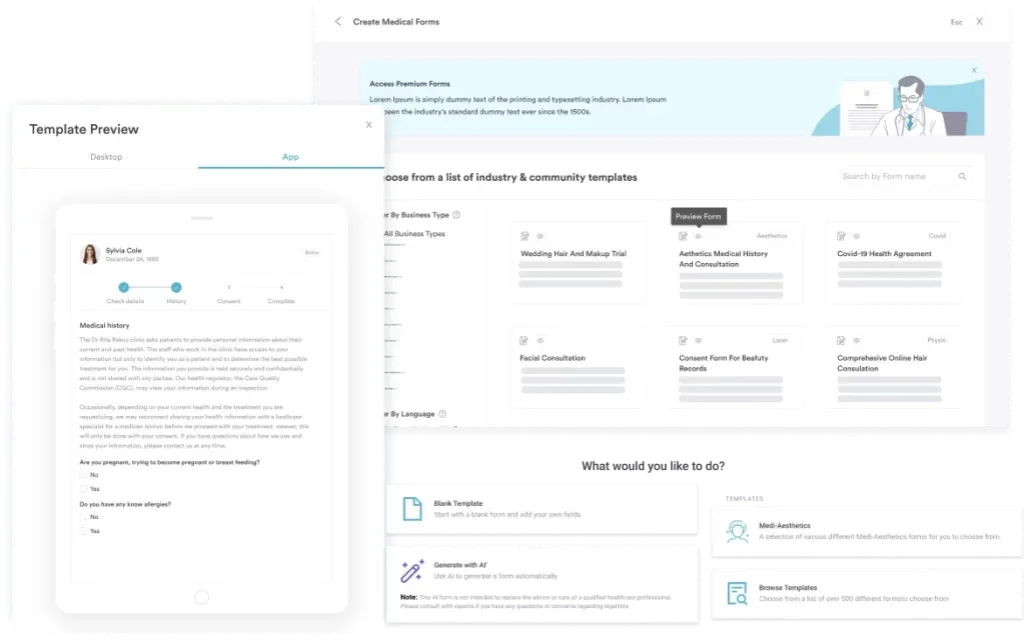
Several state Medicaid manuals flag the same recurring mismatch: service notes that do not match the EVV timestamps, or a visit billed outside the authorized date range. Standardizing documentation and intake forms across a care team.
State Medicaid billing guides repeatedly flag the same handful of errors behind S5130 denials. None of them are complicated to avoid once a team knows to check for them. Review your billing compliance checklist to confirm none of these patterns appear in your current submissions. Coding sits in the middle of the revenue cycle, between registration and payment posting.
S5130 sits alongside several other HCPCS S-codes and T-codes used in home and community-based care. Confirming which one applies before billing is the single best way to avoid a denial.
Always confirm the current-year descriptor and coverage rules for each code using the official CMS HCPCS source data, since descriptors and coverage rules can change with the annual HCPCS update cycle.
If a beneficiary’s care plan includes both homemaker tasks and hands-on personal care in the same visit, check the state waiver rules before billing. Some states allow a single modifier on S5130 or S5131 to cover cleaning plus incidental ADL assistance, while others require the visit to be split and billed separately under S5130/S5131 and T1019.
Pabau is not a Medicaid billing platform, but the documentation habits behind clean S5130 claims are the same habits practice management software like Pabau is built to support. That means a care plan on file, a service note for every visit, and records that stand up to review.
For teams delivering home-based services alongside clinical care, Pabau’s digital forms and record-keeping tools help keep that documentation organized and accessible.
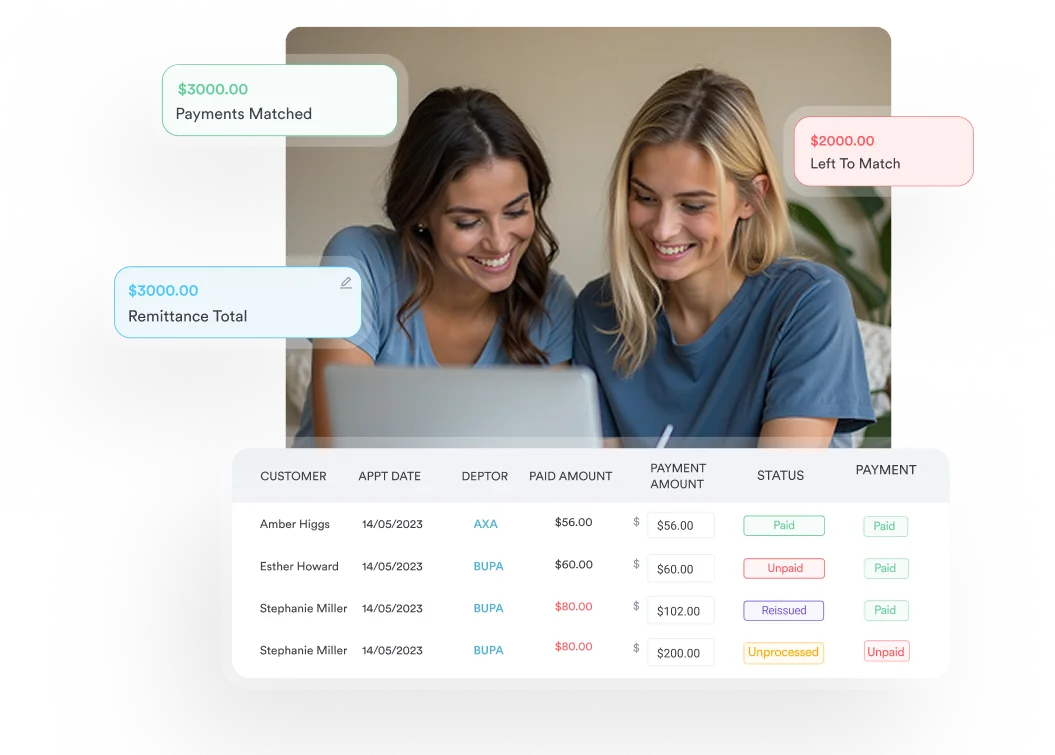
For organizations that coordinate home-based support alongside clinical services, building a documentation workflow around the S5130 checklist above (care plan, authorization, service notes, and visit verification) reduces administrative rework and denial rates. Pabau’s configurable form templates can be structured around that same checklist, giving every care worker and coordinator a consistent process to follow.

Pabau gives care teams the digital forms, scheduling, and audit-ready documentation workflows to support home and community-based services like homemaker service billing under S5130.

HCPCS Code S5130 is straightforward once the unit calculation and the state-specific rules are clear. Bill it per 15 minutes, keep it to non-medical homemaker tasks, and back every claim with a care plan, an authorization, and a service note that matches the EVV record.
Most denials trace back to one of a handful of avoidable mix-ups, such as the wrong unit type, the wrong code for hands-on care, or a missing visit record. None of that reflects anything complicated about the service itself.
Practice management software like Pabau gives care teams the digital forms and documentation workflows to keep that paper trail organized and audit-ready. To see how Pabau supports care documentation for teams working across home-based and clinical services, book a demo with the team.

Billing for shoulder arthroscopy? Shoulder arthroscopy billing guide explains how to code subacromial decompression with distal clavicle removal to avoid claim denials.
Billing for multiple knee procedures in one session? Multiple arthroscopic knee procedures covers the bundled code used when a surgeon performs two or more arthroscopic knee procedures together.
Choosing the right knee arthroscopy code? Knee arthroscopy code selection guide explains how to avoid mismatching CCSD code W8520 with the wrong procedure narrative or documentation.
HCPCS code S5130 is a Healthcare Common Procedure Coding System (HCPCS) Level II code that describes homemaker service, not otherwise specified (NOS), billed per 15 minutes. It covers non-medical, in-home support such as light housekeeping, laundry, meal preparation, and grocery shopping for people who cannot manage these tasks safely on their own. It’s most commonly billed under state Medicaid home and community-based services (HCBS) waivers.
S5130 is billed in 15-minute increments, so the number of units equals the total minutes of service divided by 15. A one-hour visit is four units; a 90-minute visit is six units. Providers should round according to the specific state Medicaid program’s rounding rule, since some programs require the visit to reach a minimum threshold (for example, at least eight minutes) before a partial 15-minute unit can be billed.
Both codes describe the same homemaker service, but they use different billing units. S5130 is billed per 15 minutes, while S5131 is billed per diem (a single flat rate for the day). State Medicaid programs typically specify which of the two a provider must use for a given waiver or authorization – some restrict per diem billing to specific waiver types, such as an elderly waiver, while per-15-minute billing applies more broadly.
Typical documentation includes a care or service plan from the waiver case manager authorizing homemaker services, a service authorization confirming approved units and dates, daily service notes or timesheets recording tasks performed and visit start/end times, and – in states that require it – an Electronic Visit Verification (EVV) record confirming the worker, beneficiary, service type, location, and time of the visit. Many programs also require the beneficiary to be present during the visit.
S5130 covers non-medical homemaker tasks like cleaning, laundry, and meal preparation. T1019 covers personal care services – hands-on assistance with activities of daily living such as bathing, dressing, transferring, and eating. If a visit includes both types of support, check the state waiver’s rules and modifiers, since some programs require homemaker and personal care to be billed and authorized separately.
No. S5130 is part of the HCPCS S-code series, which CMS designates for use by Medicaid, Medicaid managed care organizations, and private payers – Medicare does not reimburse S-codes. Coverage, prior authorization rules, unit limits, and any required modifiers are set at the state Medicaid program level, so providers should confirm the specific waiver manual before billing.



