BIRP notes: Free template, examples and how to write them
BIRP notes are a four-part progress note format that therapists and mental healt...

11
Last Updated: Oct 8, 2026

An acupuncture aftercare guide is a structured handout covering post-treatment do’s, don’ts, hydration, rest, and activity restrictions. It gives patients one clear reference for the recovery window.
Proper aftercare reduces unwanted sensations, supports the body’s healing response, and helps patients maintain the benefits of their treatment sessions.
The first 24 hours post-treatment are critical: avoid extreme temperature changes, strenuous exercise, alcohol, and caffeine while prioritizing hydration and gentle rest.
Pabau’s digital forms and patient portal help practices automate and personalize aftercare instructions, ensuring consistent messaging and improving patient compliance.
A ready-to-print resource covering essential post-treatment care, expected sensations, hydration, activity guidance, timeline-based recovery steps, and a clinical disclaimer. Customize it with your practice’s branding.
Download templateWhat patients do after acupuncture shapes how well they respond and how long the benefits last. A written aftercare guide gives them one clear reference, so they hydrate, rest, and skip the activities that undercut their results. This article covers the protocols to share, plus how to deliver them with practice management software like Pabau.
An acupuncture aftercare guide is a structured, printable resource outlining post-treatment care for patients. It covers what to do, what to avoid, how to support the body’s healing response, and what sensations to expect after a session. For practitioners, it ensures consistent messaging, reduces follow-up calls, and documents that you provided proper guidance.
Acupuncture prompts a healing response, and the body shifts into recovery mode. How patients support that response over the first 24 to 72 hours shapes whether they feel better and stay better. A clear guide sets expectations from the start. Attach it to your digital patient intake forms so every patient leaves with the same instructions.
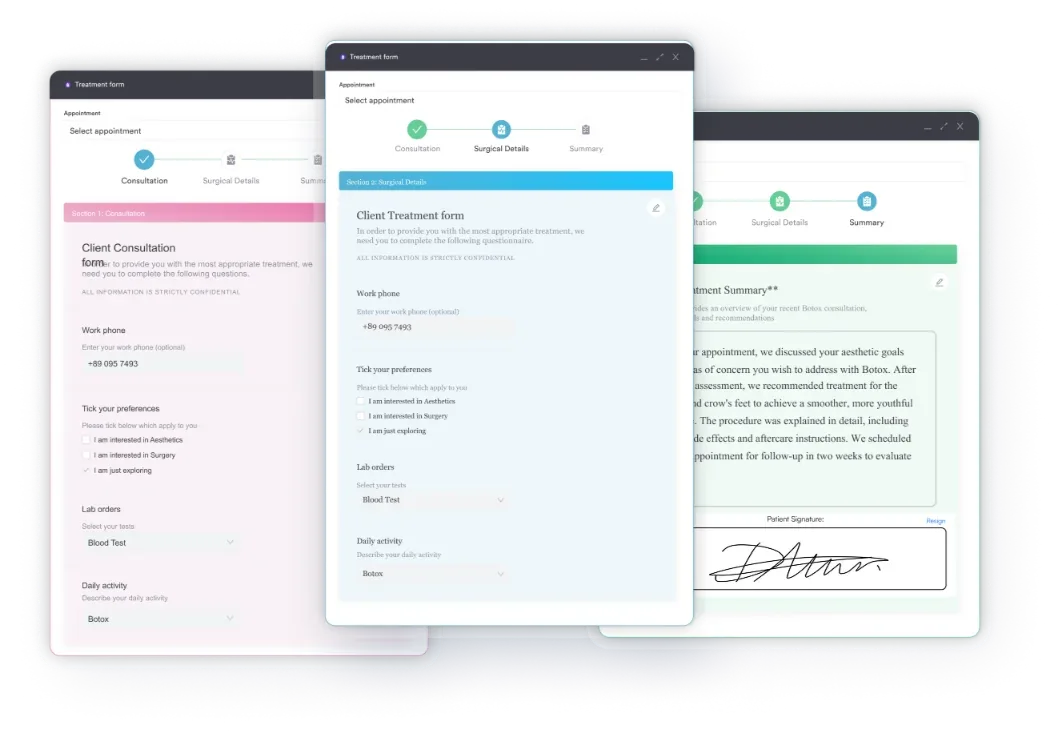
Professional acupuncture bodies and integrative medicine practitioners consistently recommend that practices provide written aftercare instructions. Patients are more likely to follow guidance when it’s documented, accessible, and specific to their treatment type.
The first day after treatment is the most critical. During this window, the body is in active recovery mode and especially responsive to environmental stressors.
Many practitioners also recommend eating lightly and avoiding processed foods in the 24 hours after treatment. The digestive system shares resources with the healing response; a heavy meal can pull energy away from recovery.
Acupuncture commonly triggers a relaxation response, so patients often report feeling relaxed, sleepy, or slightly spaced immediately after their session. This is normal. Some may experience:
These reactions are signs that treatment is working. A patient compliance guide should normalize these experiences so patients don’t abandon treatment thinking something went wrong. Practitioners trained in Traditional Chinese Medicine understand that the body needs time to rebalance after acupuncture shifts its energetic state.
A PT-specific EMR keeps exercise prescriptions and outcome scores in one record.
A clear timeline helps patients understand when they can resume normal activities.
Some patients report improvements within hours; others need 3-5 sessions before noticing sustained benefit. Setting realistic expectations in your aftercare guide prevents disappointment and improves retention.
Hydration is the most universally recommended aftercare protocol. Water supports the body’s natural detoxification processes and maintains circulation needed for healing. Herbal teas (particularly warming teas like ginger) can support the treatment further, while alcohol and caffeine work against recovery.
Food choices matter. Light meals featuring whole foods, vegetables, and lean protein support healing better than processed, sugar-heavy, or deep-fried foods. A practical aftercare guide can include a simple meal example so patients don’t overthink their choices.
Some practitioners recommend specific herbal supplements or topical therapies post-treatment. This is where your clinical judgment matters. Include recommendations aligned with your training and clinical experience.
An effective acupuncture aftercare guide template combines clinical detail with patient-friendly language. Practitioners should:
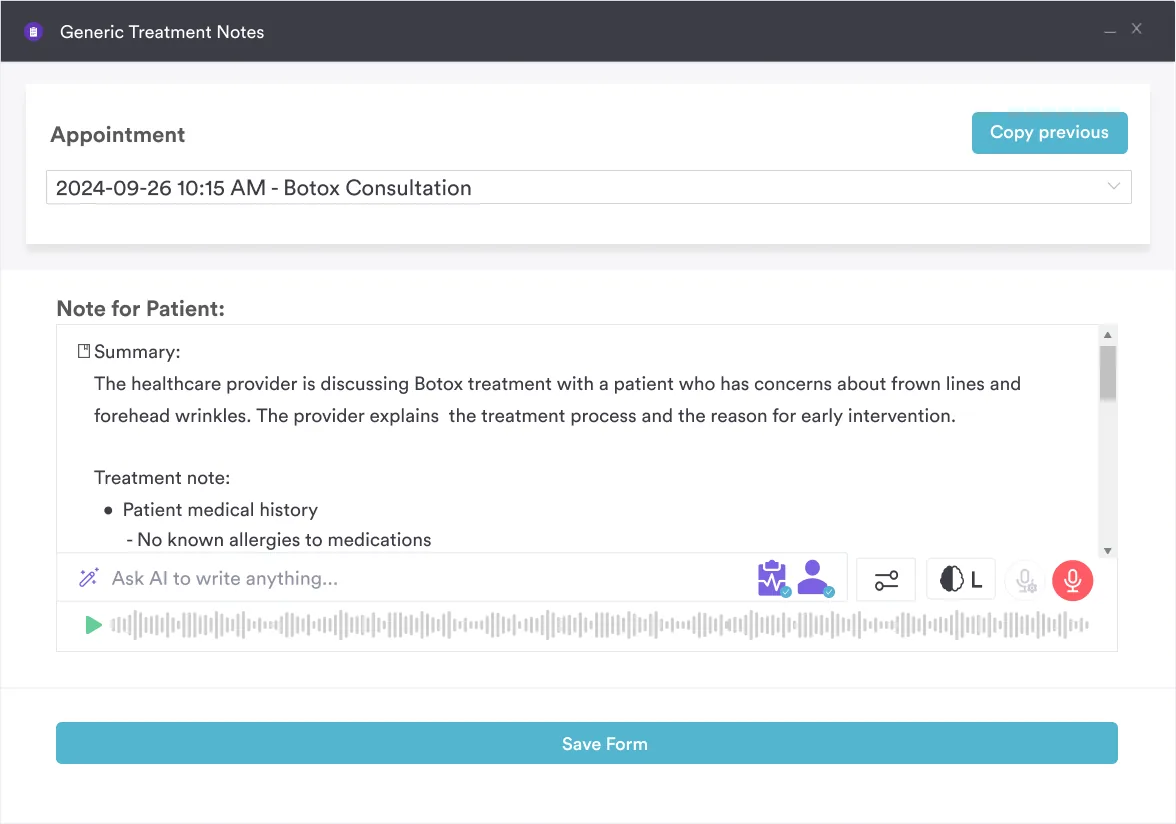
Use Pabau Scribe, our AI scribe, to note in the patient record which aftercare instructions you provided. That gives you documented proof of the guidance and keeps every clinician on the same page at the next visit.

Use Pabau’s digital forms and patient portal to automate aftercare messaging, track patient compliance, and reduce no-shows, all from one platform.

After the critical first day, the focus shifts to supporting sustained recovery. Patients should continue light movement, maintain hydration, and listen to their body’s signals. Many practitioners recommend scheduling the next appointment 1-2 weeks out to allow the treatment to fully integrate while momentum remains high.
Patients who feel supported post-treatment are more likely to complete their recommended course of care and refer friends.
This template is designed for acupuncturists, Traditional Chinese Medicine practitioners, physical therapists offering acupuncture. It’s equally valuable for solo practitioners and multi-location practices-just customize it with your branding.
The guide works best when paired with clinical notes documenting the acupuncture points used, treatment depth, and any patient-specific recommendations. Many practitioners create multiple versions (e.g. one for fertility acupuncture, one for pain management) to provide condition-specific guidance.
A written aftercare guide protects both patient and practitioner. For patients, it clarifies expectations and empowers them to support their own healing. For practitioners, it demonstrates professional clinical judgment, reduces liability, and creates a documented standard of care. Practices using structured aftercare also report higher patient satisfaction, better treatment outcomes, and stronger referral patterns.
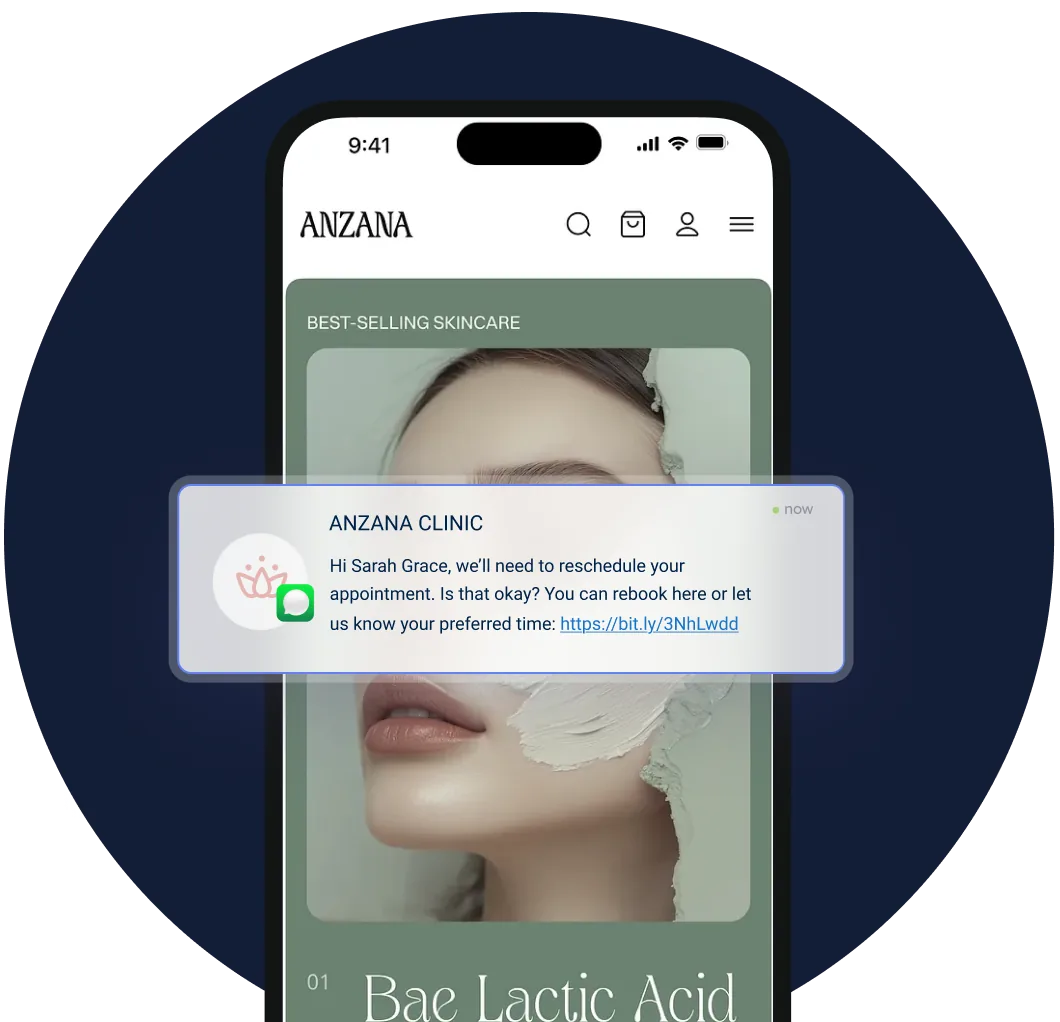
Automating aftercare delivery via SMS and email campaigns ensures no patient falls through the cracks, especially in busy multi-location practices. Digital delivery also tracks which patients received guidance and when-critical for compliance documentation.
Assessment forms that several people must return are harder to track than a single handout. A Conners scale for ADHD goes to a parent and a teacher at booking, each with a named return date. Automated reminders then chase whichever rater has not replied, because a late teacher form delays the whole assessment.
A written acupuncture aftercare guide turns the end of a session into clear next steps a patient can follow. Evidence-informed instructions lift compliance, improve outcomes, and build trust. Download the template above, add your practice’s details, and hand it to every patient. Pair it with patient portal reminders for a repeatable system that supports recovery without extra front-desk work.
Book a demo and see how Pabau helps practices deliver consistent, personalized aftercare at scale-from digital forms to automated follow-ups.

Screening for neuropathic pain instead? DN4 questionnaire The 10-item screening tool helps clinicians identify neuropathic pain, with symptom descriptors, exam findings, and scoring guidance.
Checking a patient’s cardiovascular recovery? Heart rate recovery chart Median one-minute recovery falls from 20 beats per minute in the thirties to 11 in the seventies.
Supporting a patient beyond symptom management? Life skills worksheet The printable PDF pairs activities and reflection questions across decision-making, communication, safety, money, and health.
An acupuncture aftercare guide is a written resource detailing post-treatment self-care instructions, including hydration, rest, activity restrictions, and expected sensations. Practitioners customize and hand it to patients immediately after sessions to ensure compliance and support healing.
Patients should prioritize rest during the first 24 hours post-treatment, avoiding strenuous exercise and extreme temperature changes. After day one, light activity gradually resumes as the body signals readiness. Full return to normal activity typically occurs within 3-5 days.
Patients should avoid hot showers, saunas, and steam rooms immediately after treatment (at least 4-6 hours, ideally 24 hours). Lukewarm showers are acceptable. The goal is preventing drastic temperature changes that can interrupt the healing response.
Yes. Acupuncture triggers a relaxation response and shifts the body into recovery mode. Drowsiness, mild fatigue, and deep relaxation are normal and expected. Patients should embrace rest rather than fight it.
Yes. Alcohol is dehydrating and disrupts the body’s healing response by depleting resources needed for recovery. Avoiding alcohol for at least 24-48 hours after treatment supports better outcomes.